
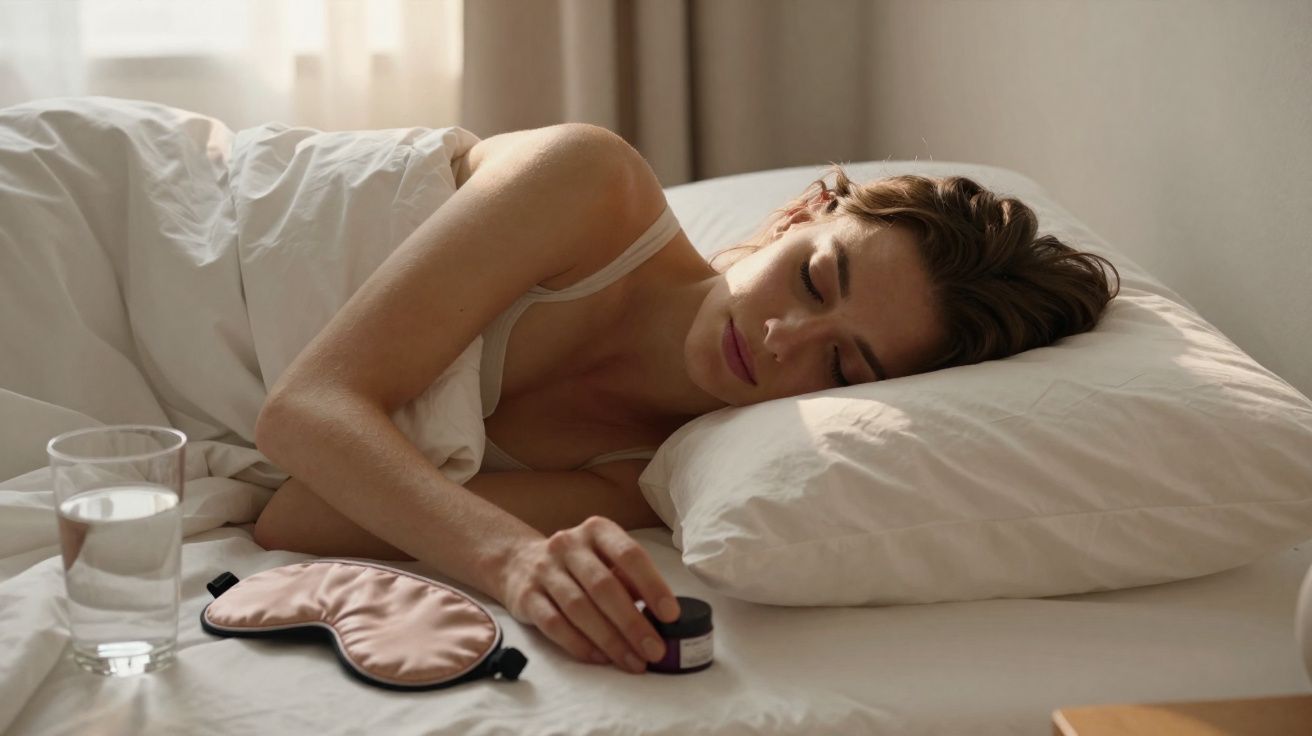
Many people hate the tired look staring back at them in the mirror, try creams, masks and home remedies - and miss a simple trick you can do in bed.
For many, dark circles under the eyes feel like a beauty issue that makes them look older and more stressed than they actually are. Rather than jumping straight to pricey skincare or procedures, dermatologists are drawing attention to a surprisingly straightforward lever: how we sleep - specifically, how our head is positioned in bed.
Why dark circles can be so stubborn
Dark circles are not one single diagnosis. The term covers several different changes under the eyes. Sometimes a bluish shadow is most noticeable, sometimes it’s a brownish discolouration, and sometimes swelling of the lower lids is the main issue.
A range of factors can sit behind the darker rings:
- Genetics: Naturally thin skin or a particular bone structure can make dark circles more obvious.
- Lack of sleep: Too little sleep can lead to congestion in the blood vessels around the eyes.
- Ageing processes: Over time, the body produces less collagen, and the skin becomes thinner.
- Allergies and irritation: Frequent rubbing irritates the delicate skin around the eyes.
- Sun damage: UV radiation encourages pigmentation and can make vessels show through more strongly.
- Dehydration: Too little fluid leaves skin looking dull and makes hollows appear deeper.
The result is that even if you don’t feel especially tired, you can still look worn out in the morning. Many people then reach for concealer to cover the shadows rather than tackling what’s causing them.
Sleep as the most powerful “skincare” for dark circles
Dermatologists broadly agree: consistent, sufficient sleep remains one of the most important measures for improving dark circles. For most adults, seven to nine hours per night is considered ideal.
When sleep is short, the tiny blood vessels under the eyes can widen. Blood pools more easily, vessels show through the very thin skin, and the familiar blue‑purple shade appears. Spending hours in front of bright screens can make the situation worse.
A steady evening routine that nudges the body into rest mode can help:
- put your phone and laptop away at least an hour before bed
- avoid heavy meals late in the evening
- don’t drink large amounts of alcohol right before going to sleep
- keep regular bedtimes, including at weekends
Alongside this, experts also recommend a balanced diet with enough fluids, plenty of vegetables, sufficient protein to support collagen production, and consistent daytime sun protection.
The overlooked role of sleep position for dark circles
Things get interesting with a detail most people rarely consider: where the head sits while you’re asleep. This is exactly where many dermatologists’ newer tip comes in.
"If you sleep with your head slightly elevated, you can noticeably reduce swelling - and therefore visible dark circles - in the morning."
The reason is simple: when you lie down, fluid shifts in the body. If your head sinks low into the pillow, fluid can collect more readily around the eyes. In the morning, this often shows up as puffiness in the lower lids and a stronger‑looking shadow.
Why a higher pillow can help with dark circles
Dermatologists recommend lifting the head slightly at night. It doesn’t need to look dramatic - for many people, adding a second pillow or using a specially angled pillow is enough.
The benefit: with a gentle upward incline, tissue fluid drains more effectively, and less water accumulates in the lower‑lid area.
"A second pillow can noticeably soften the morning ‘creased, crumpled look’ - without expensive creams or procedures."
If you want to try it, these points are useful guides:
- Your head should sit higher than your shoulders, while your neck stays aligned and straight.
- Breathing should feel unobstructed, with no pressure around the throat.
- You should be able to hold the position comfortably for several hours.
Many brands now sell wedge‑shaped pillows that lift the upper body slightly. The effect is similar to the “double pillow” approach, but often feels steadier and more even.
Which sleeping position is more suitable
Beyond pillow height, your overall sleeping posture also matters. Orthopaedic specialists and dermatologists point out the pros and cons of common positions:
| Sleeping position | Effect on the eye area |
|---|---|
| Back sleeping | Helpful, as there’s no pressure on the eyes and fluid distributes more evenly - best paired with an elevated head |
| Side sleeping | One side of the face is compressed more, so fine lines and swelling may worsen on one side |
| Front/stomach sleeping | Unhelpful, with lots of facial pressure and a much higher likelihood of fluid build‑up around the eyes |
If you often wake with puffy eyes, you can try gradually training yourself to sleep on your back with your head raised. Pillows at your sides can help reduce unconscious turning during the night.
What genuinely helps besides sleep position
The right position in bed is a powerful lever, but it rarely solves dark circles entirely on its own. Dermatologists mention additional adjustments that can be far more effective in combination:
- Cooling compresses: Cold pads or a chilled spoon briefly constrict blood vessels in the morning.
- Skincare with caffeine or niacinamide: These ingredients can reduce the appearance of puffiness and discolouration.
- UV protection: A daytime moisturiser with SPF helps prevent further pigmentation.
- Avoid vigorous rubbing: Removing make‑up with gentle products protects the thin skin.
If dark circles remain extremely pronounced despite these steps, a dermatology clinic can assess whether treatments such as laser, peels or fillers could be appropriate. Many experts, however, suggest working on sleep quality, sleep position and skincare routine consistently for at least a few weeks first.
How quickly changes may show up
Overnight miracles are uncommon. Still, some effects - particularly reduced puffiness - can be noticeable after just a few nights with the head elevated. Pigment‑driven discolouration and visible blood vessels typically take much longer to improve.
If you want the new habit to stick, it helps to attach it to a consistent ritual: arrange your pillows, dim the lights, put your phone away - cues like these can signal to the brain that it’s time to sleep. That way, the “dark circles trick” quickly becomes part of your regular evening routine.
What else to know about dark circles
In everyday language, people often use the same term for different issues: dark circles, under‑eye bags, swollen lids. However, these aren’t identical. Dark circles are usually discolouration or shadowing, while under‑eye bags are more often bulges beneath the eye caused by fat tissue or fluid.
When discolouration and swelling occur together, the eyes can look especially tired. This is where an elevated sleep position helps, because it reduces the fluid component. Pigment and visible vessels may still be present, but with less swelling they often look noticeably less intense.
If you spend long hours on screens, struggle with hay fever, or work night shifts regularly, you can pair the head‑up method with other habits: short screen breaks with intentional blinking, adding moisture to dry indoor air, and fixed “switch‑off” periods without work emails. This lowers the overall strain on the eye area - and the morning mirror can look fresher step by step.






Comments
No comments yet. Be the first to comment!
Leave a Comment