
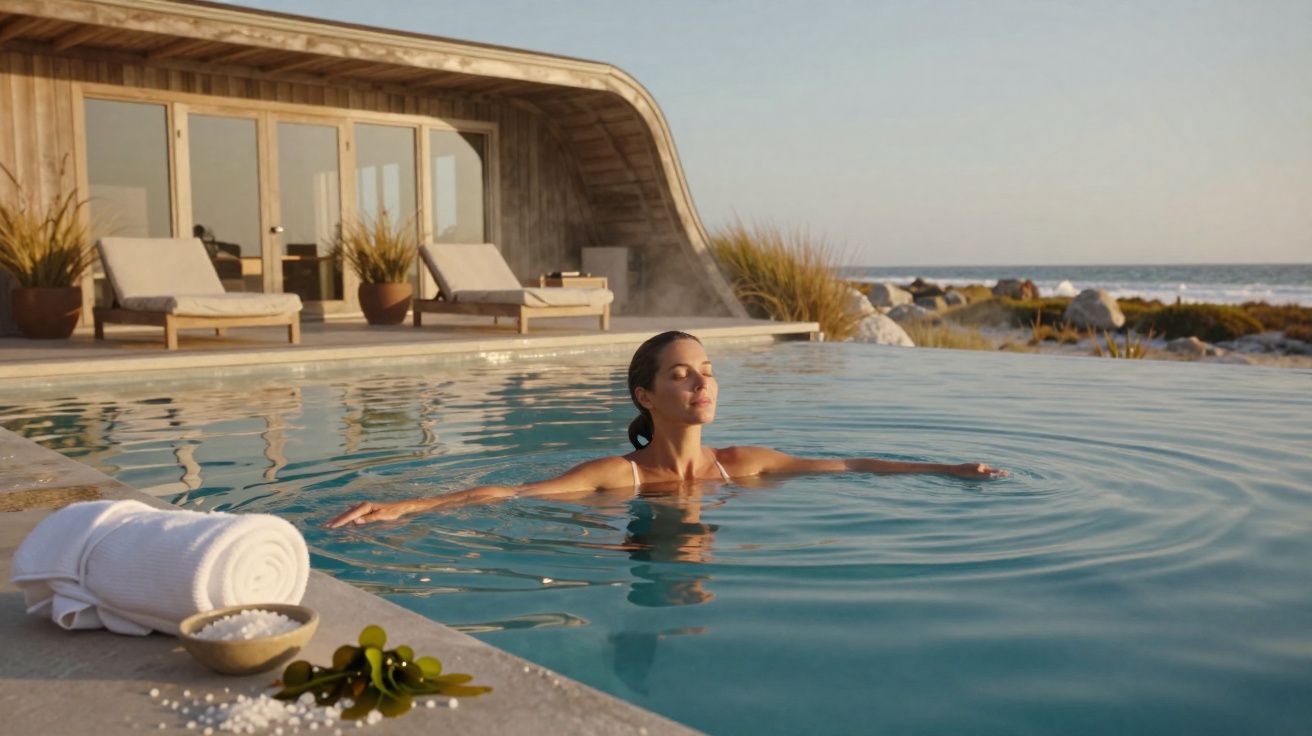
In a blustery part of Brittany, where the Atlantic dictates the tempo and the light shifts by the hour, a quieter version of the seaside escape is emerging.
On France’s rugged western shoreline, Thalazur Carnac has reopened after an 18-month overhaul, transforming a familiar thalassotherapy stop into a fully fledged coastal hideaway where wellbeing is built into the rhythm of each day.
A 1970s Thalazur Carnac landmark reinvented for modern travellers
Thalazur Carnac dates back to the 1970s, when thalassotherapy first captured the French imagination. The practice uses seawater, marine mud and sea air as part of recovery and restoration, and for many years the property welcomed spa devotees and health-minded regulars to southern Brittany.
The address joined the Thalazur group in 2017, bringing it into a broader collection of marine-wellness destinations stretching from the Atlantic coast to the Mediterranean. A major new chapter began in 2024, when Hively Hospitality launched a substantial redesign with CB Architectes and interior architect Nicolas Thermed.
Completed in summer 2025, the project went well beyond a cosmetic refresh. The new Carnac is intended to feel less like a medical facility and more like a lived-in house by the sea, where salt air, warm timber underfoot and the pull of the tides set the tone.
Thalazur Carnac now offers more than therapies; it offers time, breathing space and a slower pace that seems to match the sea itself.
A coastal retreat shaped by light, texture and low-impact comfort
The reopening comes with numbers that are hard to ignore. The resort now includes 200 carefully styled rooms and suites, 22 studios and 12 apartments in a residence wing, plus a restaurant, a lounge bar, landscaped gardens and a 4,500 m² thalassotherapy and marine spa centre.
Rather than shiny finishes, the design favours natural materials: pale wood, stone and large areas of glass that draw in Atlantic daylight. The palette borrows from the landscape outside - dune grass, damp sand, slate roofs and sea foam. Inside, the rooms lean towards soft, enveloping textures rather than showy technology, with the view treated as the main feature.
The property has also earned the Green Key eco-label, signalling a more restrained approach to operations. That kind of accreditation usually points to better water and energy management, fewer single-use plastics, stronger support for local suppliers and more open environmental reporting.
Generous picture windows hold the eye on the salt marshes and the shoreline, so the building behaves more like a lens than a barrier.
One practical strength of the new layout is flexibility. Couples, solo guests and small groups can all stay in the main hotel, while the residence wing gives longer-stay visitors the option of more independence without losing access to the spa, dining and gardens. That mix helps the resort work as both a short restorative break and a more settled wellness stay.
What guests find on site
- 200 rooms and suites for couples, solo visitors and small groups
- A residence wing with 22 studios and 12 apartments for longer stays
- A 4,500 m² marine spa and thalassotherapy centre
- The restaurant La Table des Salines and a sea-view pancake house
- A lounge bar and gardens for relaxed socialising and downtime
Thalassotherapy at the heart of Thalazur Carnac: water as a way to reset body and mind
Beneath the surface, the real centrepiece is the vast water-focused area, where pools, treatment circuits and therapy cabins connect back to the ocean beyond the dunes. The refreshed spa keeps faith with Thalazur’s long-held idea of caring through the sea.
Visitors move through a sequence of marine-led facilities: heated outdoor seawater baths that contrast with the Atlantic air, a hammam, a Japanese-style sauna zone and a marine circuit combining massaging water beds, counter-current passages and targeted jets. Each element is designed to improve circulation, ease muscle tension or help the nervous system settle.
Alongside these physical features, Thalazur’s own treatment protocols sit next to therapies created with the French brands Thalgo and Payot, both known for marine-inspired and algae-rich formulations. Sensory areas add sound, light and fragrance in an effort to slow the pace and encourage a more reflective mood.
Warm seawater, salt-heavy air and repetitive aquatic movement work almost like a metronome, nudging tense bodies into a calmer pattern.
From classic cures to programmes influenced by epigenetics
Guests can book individual treatments, but Carnac also continues a distinctly French tradition of “cures”: structured stays lasting several days, usually combining hydrotherapy, supervised movement and nutritional guidance.
Thalazur draws on two decades of in-house research into how lifestyle can affect gene expression, a field commonly known as epigenetics. The brand does not claim miracles, but it does shape certain stays around this thinking, with attention to sleep, inflammation, metabolic balance and stress control.
| Type of marine cure | Main focus | Typical methods used |
|---|---|---|
| Stress reset | Nervous system, sleep, mental overload | Warm baths, body wraps, guided breathing, gentle exercise |
| Joint and mobility | Stiffness, long-term aches, post-sport recovery | Hydrojets, seawater pools, physiotherapy, targeted algae packs |
| Metabolic balance | Energy levels, weight-related goals | Aquatic exercise, nutritional advice, draining treatments |
| Epigenetics-inspired | Long-term habits linked to ageing and resilience | Personalised programmes, monitoring, educational sessions |
The reopening of the thalassotherapy area in October places Carnac firmly on the winter wellness map. For travellers from the UK and northern Europe, the idea of an iodine-rich winter - salty air, clear light and hot seawater pools - fits a broader move away from purely sun-led holidays towards shorter, health-focused escapes.
La Table des Salines: eating in step with the tide
Food can easily derail a wellness break; here, it is used to reinforce it. At La Table des Salines, Thalazur’s signature 5S approach treats every meal as a small act of balance rather than deprivation.
The 5S stand for:
- Flavour - dishes still need to taste generous, not merely be good for you in theory.
- Simplicity - short ingredient lists and straightforward cooking methods.
- Seasonality - menus change with local produce, from oysters to root vegetables.
- Place - a strong preference for Breton suppliers and coastal catches.
- Health - fats, fibre and portions are adjusted with support from the house dietitian.
The result is a kitchen where grilled fish, buckwheat, sea vegetables, fermented dairy and crisp vegetables take centre stage. Guests can choose the full gastronomic menu or opt for a version created with the centre’s dietitian, designed for those following a specific cure.
The restaurant treats the plate as another kind of therapy: satisfying, rooted in place and light enough to support recovery.
A separate sea-view pancake house leans into Brittany’s comfort-food tradition, with savoury galettes and sweet pancakes reworked through better flours, seasonal toppings and artisanal cider. The marshes outside keep the landscape present at every meal, sustaining that constant conversation between land and sea.
Between standing stones and salt marshes: why Carnac works so well for slow wellness
Much of Carnac’s appeal sits beyond the spa. The area combines long sandy beaches, sheltered coves, coastal paths and marshland that turns pink and gold at sunset. On bright days, a walk along the shoreline doubles as gentle exercise and a form of light therapy.
Just a short distance inland, rows of Neolithic standing stones have made Carnac famous far beyond France. Local officials are working towards UNESCO World Heritage status, which would place the site alongside places such as Stonehenge and Newgrange in terms of cultural importance. For visitors, that creates an unusual pairing: body care by the ocean and time spent among some of Europe’s oldest ceremonial landscapes.
The resort’s style of hospitality remains warm and understated rather than overly theatrical. Staff members are there to guide guests through the stay rather than constantly pushing extras, which matters for anyone arriving tired, uncomfortable in their body or simply overloaded.
If you come outside the peak summer months, the experience can feel even more restorative. Autumn and winter bring quieter beaches, sharper air and a stronger contrast between cold outdoor walks and the heat of the pools. For many guests, that seasonal shift is part of the appeal: the destination encourages a slower pace without ever feeling cut off from the landscape around it.
Is thalassotherapy right for everyone?
Interest in marine wellness has grown in the UK and the US, but not every traveller knows what the experience involves. Seawater-based therapies can suit many people looking for gentle, low-impact support with stress, sedentary habits or some forms of chronic discomfort. Water buoyancy reduces pressure on the joints, while heat and minerals can help relax tight muscles.
That said, caution is sensible in some cases. People with uncontrolled cardiovascular conditions, serious skin infections or certain thyroid problems linked to iodine sensitivity should seek medical advice before starting a marine-based cure. Responsible centres screen guests, adapt treatments where necessary and stay in contact with local healthcare providers when appropriate.
Why this French coastal relaunch matters beyond tourism
The Carnac reopening reflects a wider change in hospitality. More and more coastal hotels are presenting themselves as health partners rather than simply places to sleep. That brings fresh questions about staff training, longer-term follow-up and the boundary between spa culture and medical care.
For travellers from the UK or US considering Thalazur Carnac, the resort becomes something like a testing ground. It asks whether a mid-length stay on the Atlantic, built around water, carefully thought-out food and restrained luxury, can rival longer wellness journeys to Asia or the Americas.
In practical terms, the model also offers ideas that are easy to borrow at home: colder coastal walks rather than always seeking warmth; regular time in pools or baths to ease stiffness instead of living with constant tension; and menus based on seasonal fish, whole grains and sea vegetables rather than quick fixes.
Carnac’s return is less about indulgence than rhythm: using the sea, and everything around it, as a metronome for everyday life.






Comments
No comments yet. Be the first to comment!
Leave a Comment