
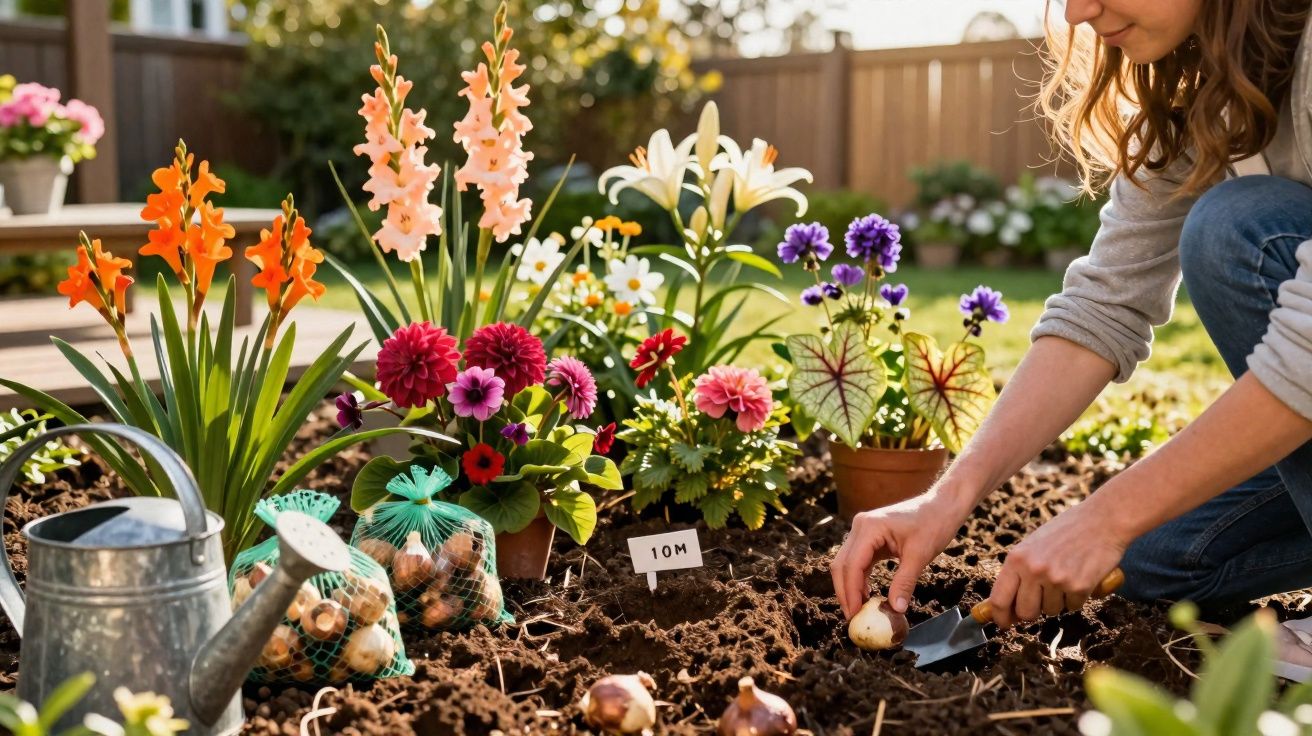
If you put a little time into the soil in February, March, April-or even as late as May-you can look forward to a high-summer pay-off of colour, fragrance and gloriously full flower displays. The simple trick is to choose perennial summer-flowering bulbs, tubers or rhizomes that can return year after year, rather than flashing briefly like typical seasonal bedding.
Why planting now can transform your entire summer display
When people hear “flower bulbs”, they often think first of tulips and daffodils planted in autumn. For a standout summer show, though, you need different performers: amaryllis, dahlias, cannas, lilies and more go into the ground in spring and then surge into life within a matter of weeks.
Planting in spring can still give you a full-on floral spectacle in the very same year-and, depending on the plant, for several seasons to come.
One major advantage of these bulb and tuber plants is that they’re usually sold after being kept cool. That means the essential chilling phase has effectively been taken care of; your job is simply to wait for a frost-free moment. If you plant any time from February through to the end of May, you’re typically set to hit peak flowering right in the heart of summer.
There’s one non-negotiable: avoid waterlogging. Your soil needs to be loose, free-draining and never permanently wet, otherwise bulbs can rot quickly. In containers, a drainage layer of expanded clay pellets or gravel makes a big difference.
How to plant spring bulbs, tubers, rhizomes and corms correctly
Whether you call them bulbs, tubers, rhizomes or corms, the planting method is broadly the same:
- Dig a hole around two to three times as deep as the bulb is tall
- Place the bulb with the pointed end facing up
- Backfill with fine soil and gently firm
- Water in so the soil and bulb make good contact
For pots, start with drainage, then add a layer of high-quality compost. Position tubers a little closer together than you might in a border-packed planting makes window boxes and containers look noticeably more lush later on.
It also helps to prep the area properly before you plant: remove perennial weeds, break up compacted ground, and mix in compost to improve structure and drainage. If your garden has heavy clay, consider planting in raised beds or generous containers so excess water can escape more easily.
If you want a head start in cooler parts of the UK, you can also “wake up” some tubers by potting them up indoors in bright, frost-free conditions and moving them outside once nights are reliably mild. This can bring flowering forward without changing the plant choices.
The 10 strongest summer bloomers to plant up to the end of May
These ten reliable favourites lay the foundations for a summer that looks far more impressive than the usual geranium boxes.
1) Amaryllis (Hippeastrum) – an exotic star for warm, sheltered spots
Amaryllis isn’t only a houseplant; outdoor varieties are available too. It thrives on sun, warmth and free-draining soil. Its large, trumpet-shaped flowers look especially elegant on a patio or in a protected border.
In a container, the bulb is easier to safeguard: bring it in dry in autumn, store it cool but frost-free, then move it back outdoors in spring.
2) Anemones – floating clouds of flowers
Anemones create a carpet-like effect in borders or pots. Their delicate, usually single blooms hover above fine foliage, making them perfect for the front of beds and for filling gaps.
Before planting, soak the small tubers for a few hours in lukewarm water to encourage more reliable growth. A part-shaded position is entirely sufficient.
3) Tuberous begonias – bold colour for shade
For dim corners, north-facing balconies, or under trees, tuber-forming begonias are hard to beat. They cope with little direct sun yet still flower for months.
Plant the tubers shallowly in spring with the hollow side facing up. In autumn, lift them, store them dry, and you can start again the following year.
4) Caladium – foliage with a real wow factor
Caladiums are prized less for flowers and more for their leaves: heart-shaped, speckled, pink, white and green-often looking almost hand-painted. They’re ideal for part-shaded patios and shady balconies.
They like warmth, so plant only once nights are consistently mild. Over winter, keep the tubers dry and frost-free indoors.
5) Canna – tropical style in the border
Cannas have a banana-plant look: large, dramatic leaves topped with upright, colourful flower spikes. They love full sun, plenty of water and generous feeding.
Many gardeners plant the rhizomes straight into the border. In colder areas, lifting in autumn and storing frost-free is a sensible insurance policy.
6) Crocosmia – fiery flashes of colour
Crocosmias bring movement to perennial borders with slender, arching flower sprays in orange or red. They pair beautifully with ornamental grasses or in front of dark hedges.
In milder areas, the corms can stay in the ground; a mulch layer helps protect them from hard frost.
7) Dahlias – a classic for densely planted beds
For many gardeners, dahlias are a must. Forms range from simple, pollinator-friendly types to huge pompons. They’ll flower all summer if you remove faded blooms regularly.
Plant the tubers only once there’s no risk of night frost. In late autumn, lift the tubers, store them dry, and replant next year-saving you from buying new ones annually.
8) Gladioli – perfect cut flowers
Gladioli produce tall, elegant flower spikes that are brilliant for bouquets. In borders, they add crisp, architectural lines.
If you plant new corms every two weeks, you can significantly extend the flowering period-so the spikes open in succession well into late summer.
9) Lilies (Lilium) – fragrance and elegance
Lilies are faithful garden residents. Once planted well, their bulbs can stay in the ground for many years. Many varieties are strongly scented, which makes them a great choice near patios or seating areas.
They prefer sun to part shade, with cool “feet” and a sunny “head”-so plant them among low perennials to shade the soil while the stems rise into the light.
10) Tuberose – evening perfume for the patio
Tuberose is still something of an insider choice in the UK. The slim flower spikes may look understated, but the evening scent is extraordinary.
Place the tubers somewhere warm and sheltered-such as a pot by a seating area. Lift in autumn and store frost-free.
Which bulb belongs where? A quick guide for summer-flowering bulbs
Choosing the right spot makes a noticeable difference. As a rough plan, you can use this:
| Location | Suitable plants | Key advantage |
|---|---|---|
| Full sun in the border | Canna, dahlias, crocosmia, gladioli, lilies, tuberose | Tall, colourful backdrop; good for insects |
| Sunny balcony / patio | Dahlias, gladioli, amaryllis, canna | Lush containers; lots of cut flowers |
| Part shade / shade | Tuberous begonias, caladium, anemones | Brightens up darker corners |
How to overwinter your summer bulbs safely
Many of these plants originate from warmer climates and only tolerate UK winters to a limited extent. If you want to keep them, follow a consistent routine in autumn:
- Cut back top growth after the first frost
- Lift tubers carefully and shake off loose soil
- Let them dry for a few days in an airy place
- Store in crates with a little newspaper or dry soil
- Keep them frost-free, dark and on the cool side
Lilies-and, depending on your area, crocosmias-can remain in the ground if the site isn’t too wet. A protective mulch of leaf mould or bark compost adds extra insurance.
It’s also worth labelling stored tubers and bulbs, especially if you grow several varieties. A simple tag with plant name and flower colour saves guesswork in spring and helps you plan more balanced combinations next season.
Practical tips for low-effort watering and container gardening
If time is tight, go bigger with your pots: the more compost volume you have, the less often you’ll need to water. Combining different bulbs in the same container creates varied heights and staggered flowering-try anemones low down, dahlias in the middle, and gladioli towards the back.
A liquid feed every two weeks in the watering can-or a slow-release fertiliser mixed in at planting-usually does the job. Without nutrients, growth and flowering will be noticeably weaker.
What many people underestimate about flower bulbs
Summer bulbs are often labelled “fiddly” because you’re supposed to lift them again in autumn. In reality, that small effort pays off: many tubers enlarge over the years, can be divided, and then provide almost free new plants.
If you have children, planting together can become a simple seasonal ritual. The visible change from bare soil to a wall of flowers feels even more rewarding when you’ve done the work yourself-and that’s the quiet appeal of this springtime project.






Comments
No comments yet. Be the first to comment!
Leave a Comment