
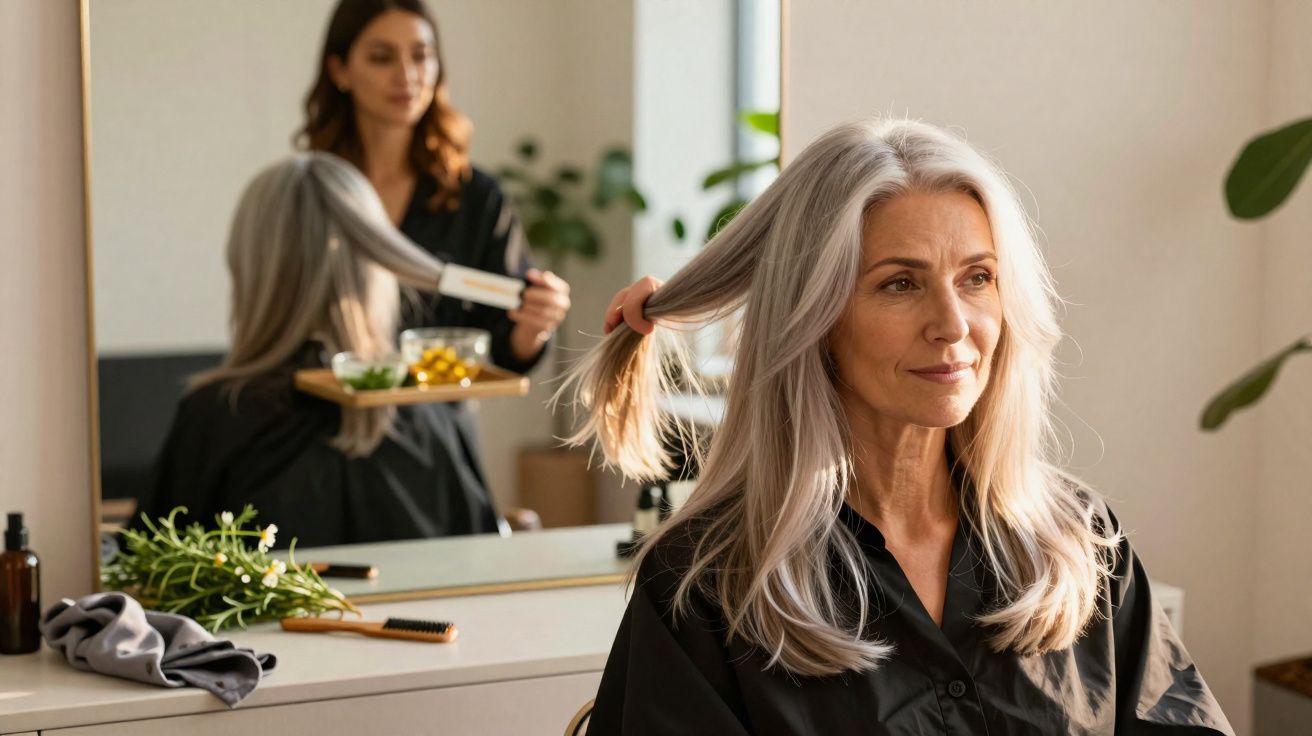
On a busy Tuesday morning in a packed Madrid salon, a woman in her fifties studies her reflection as a young colourist rolls a strand of her silvering hair between his fingertips. Next to them, a trolley sits primed for action: dye bowls, brushes, foils, gloves - money and chemicals, ready. And yet she pauses. On her phone, an Instagram reel is frozen on a grey‑haired influencer offering an alternative: “No dye, no shame, and somehow I look younger than before.”
All around, hood dryers drone, clients flick through their screens, and stylists negotiate prices. Between the chatter and the sharp tang of ammonia, something quietly defiant is starting to form.
She breaks the moment with a question: “What if we just… work with the grey?”
The colourist arches an eyebrow.
Something is changing in the hair world.
From vanity marker to quiet rebellion: what’s actually shifting
For years, covering grey roots was almost automatic - as routine as brushing your teeth or paying the electricity bill. You didn’t weigh it up; you booked in and acted as though time wasn’t catching up. Grey hair was treated as “letting yourself go”, and salons built entire revenue streams around that anxiety.
Now, a different kind of image is gaining traction: women in their 30s, 40s and 50s showing natural silver streaks with captions such as “my real colour” and “age is not a flaw”. It’s an appealing proposition: fewer relentless top‑ups, less chemical exposure on the scalp, and a softer, brighter look that - oddly - can read as fresher.
The bigger promise sits underneath it all: liberation from the tyranny of roots you’re expected not to have.
In Paris, stylist Anaïs describes a shift she simply didn’t see a decade ago. Clients arrive not clutching glossy photos of celebrity brunettes, but holding screenshots of their own selfies taken in daylight. “They say, ‘I want to keep this gray here, but blend it there,’” she explains. “They don’t want to look older, they want to look like themselves, just… edited.”
Online, the hashtag #grombre (grey + ombré) has become its own little ecosystem of salt‑and‑pepper transition diaries. Some creators record a full “dye detox” lasting 18 to 24 months, including the awkward in‑between stages, harsh root lines, and tears in the bathroom. Others share middle‑ground approaches: lowlights, glosses and toners that keep the grey but reduce the contrast.
Market data is tracking the mood as well. Multiple reports suggest permanent dye sales have slowed in certain countries, while products designed to enhance grey hair are quietly growing. And the before‑and‑after photos are hard to dismiss: when grey is integrated intelligently, faces often appear more luminous rather than more tired.
Dermatologists see a parallel story. Repeated permanent colouring and aggressive bleaching can irritate the scalp, weaken its protective barrier and, in some cases, set off allergic reactions. For some women, one reaction too many becomes the turning point - and that’s when they find themselves searching “natural grey hair younger” at 1 a.m.
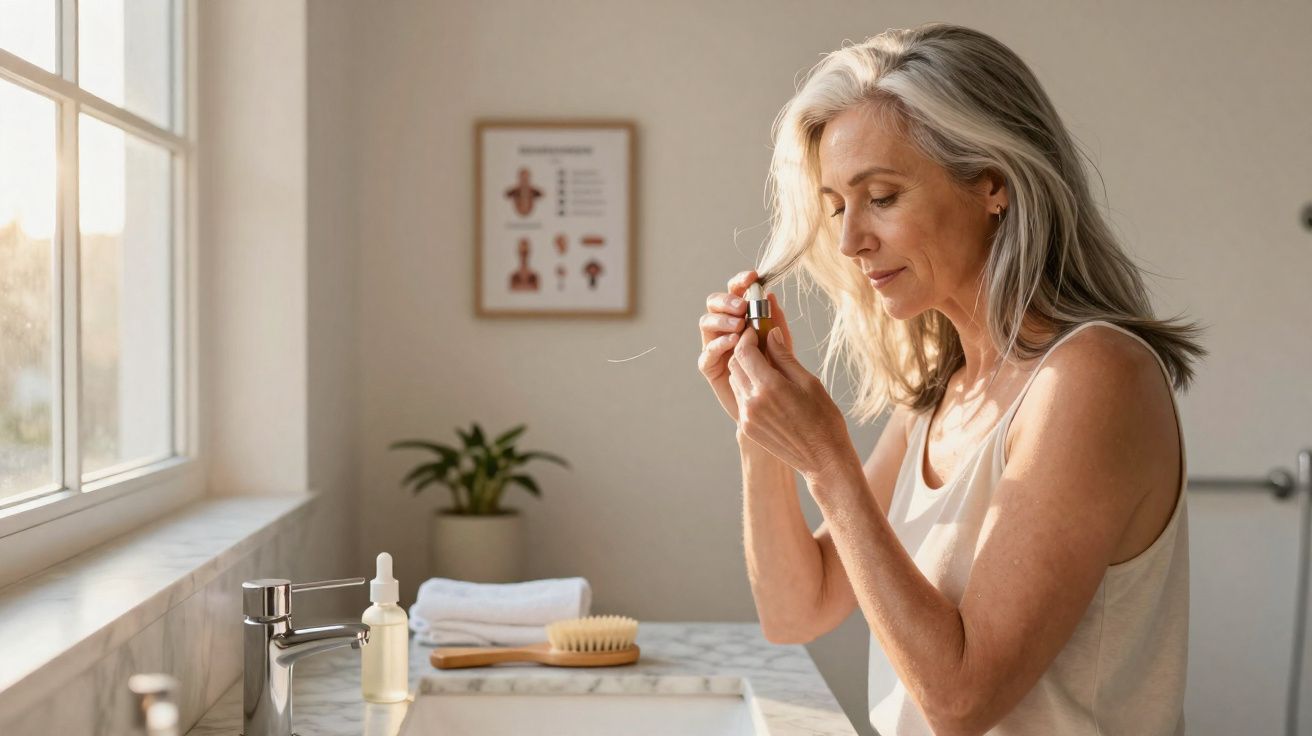
Visually, grey hair behaves differently because it reflects light in its own way. When it’s healthy and shaped well, it can soften features, draw attention to the eyes and even create a subtle halo effect. When it looks dull, brassy, or frizzy, it really can add years.
So the real question is less “grey versus colour” and more “how do we make the transition without losing confidence - or damaging the scalp?”. And that’s where the argument starts.
The controversial “natural” tricks that claim to disguise grey hair
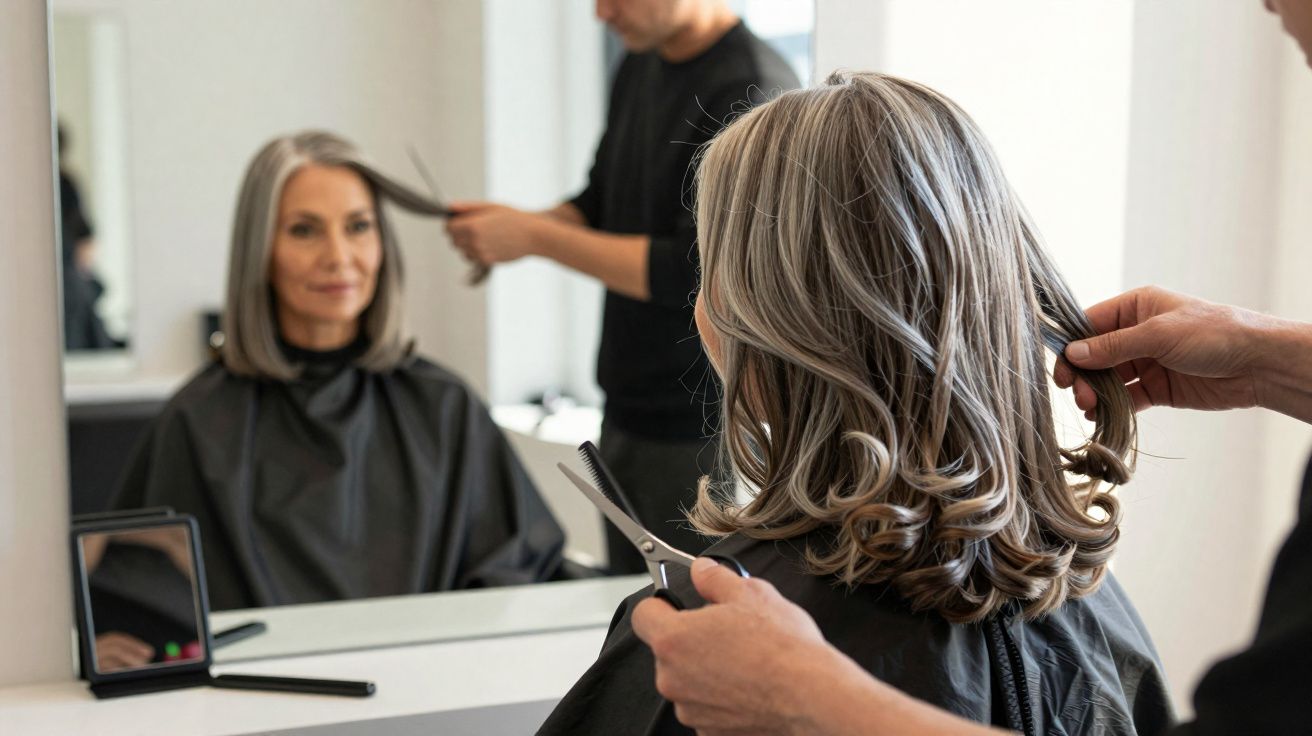
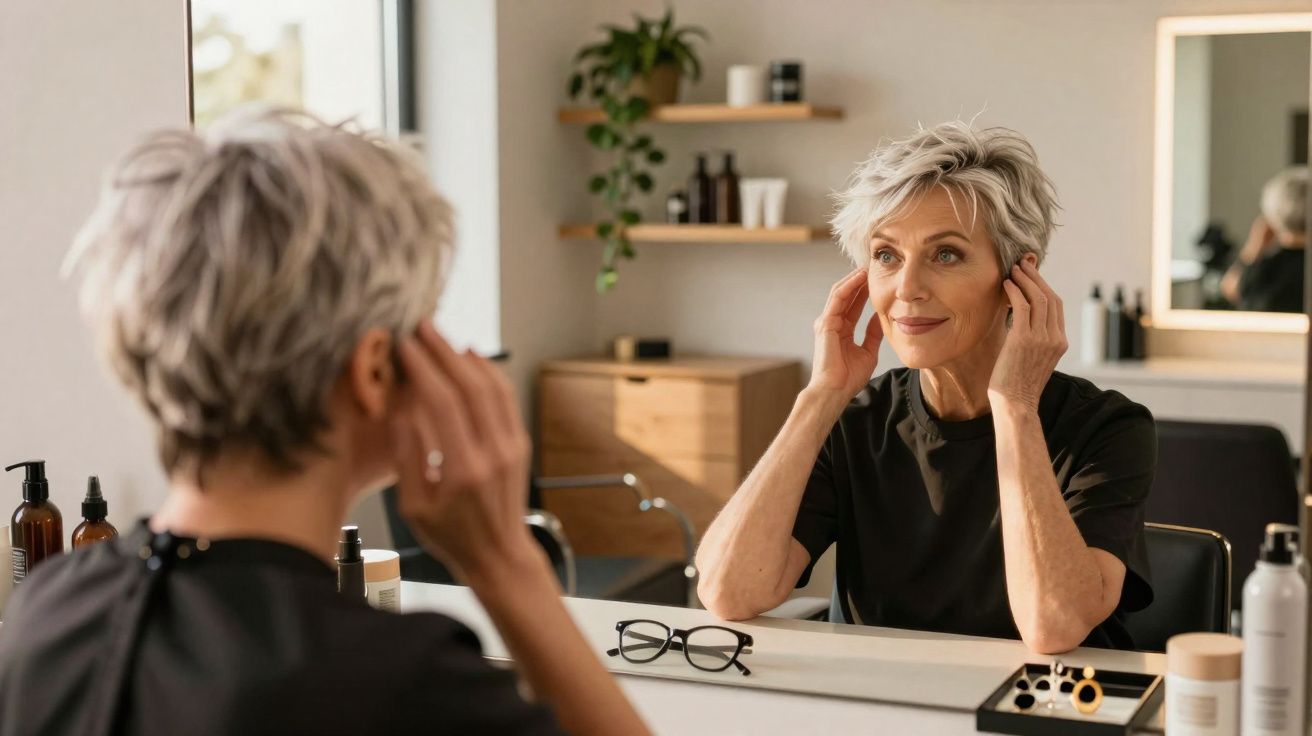
This newer “natural” wave rarely means doing nothing at all. More often, it begins with a deceptively straightforward move: changing the cut. Many stylists are now steering clients towards shorter, more deliberate shapes so that grey strands read like intentional highlights rather than weary regrowth. Carefully placed layers, a softer fringe, or a slightly lifted nape can break up blocks of grey and reframe the face.
After that come the subtler salon tactics. Semi‑permanent toners can cool down yellowed silver. Gentle plant‑based stains may be applied through the lengths only. Clear glosses can boost shine without altering the base shade. None of these options shout “I colour my hair”. They’re closer to a murmur: “I’m adjusting the light.”
The real leverage point? Contrast control. Less flat, harsh black; more multi‑tonal browns and charcoals that make grey look considered rather than accidental.
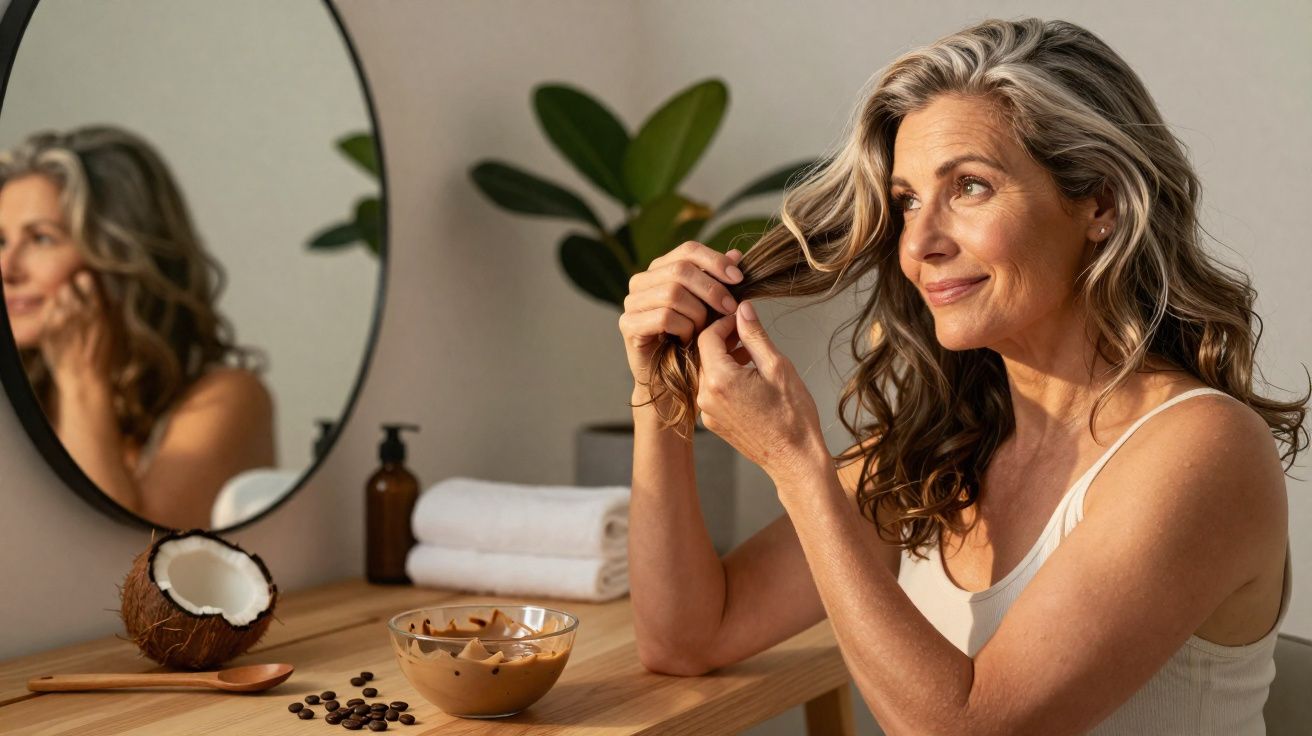
At home, plenty of women test “natural” camouflage for early greys. Henna blends, coffee or tea rinses, rosemary or sage infusions - traded online like kitchen recipes. Some swear that frequent rosemary oil massages make new growth darker; others rely on tinted masks that disappear after just a few washes.
One woman mixes a spoonful of cocoa powder into her conditioner every Sunday, certain it enriches her brunette while softening the silver strands. Another, a senior executive, alternates between purple shampoo and chamomile sprays to keep her mixed colour looking bright without returning to chemical dye.
The outcomes can be endearingly imperfect. Sometimes the tone comes out patchy; sometimes the bathroom ends up looking like a crime scene. The line between creative experiment and outright disaster is thin, and everyone walks it in their own messy way.
Dermatologists are much less sentimental about these experiments. They stress that “natural” is not the same as “safe”. Henna can trigger severe allergies, essential oils may burn the scalp if not diluted correctly, and DIY mixtures can be either harsh or simply ineffective.
Some stylists are irritated too. They see clients turning up with staining, odd bands of colour, or weakened lengths after repeated “natural fixes” picked up online. Then they spend hours undoing what a 12‑second reel marketed as a miracle.
“I love that women want to embrace their real color,” says Lucia, a colorist in Milan. “But this new trend sometimes sells a fantasy: no maintenance, no chemicals, younger face. Reality is more nuanced. Gray hair needs as much strategy as dyed hair. Just a different kind.”
- Get clear on the aim: are you trying to conceal, blend, or showcase your grey?
- Change things gradually: begin with toners, glosses, or partial coverage rather than a sudden overhaul.
- Protect your scalp: patch‑test any natural recipes and look out for itching or redness.
- Build a photo reference:
- In daylight and from several angles, so your stylist can map out a realistic route.
Women in the middle of the storm: guilt, freedom, and the mirror test
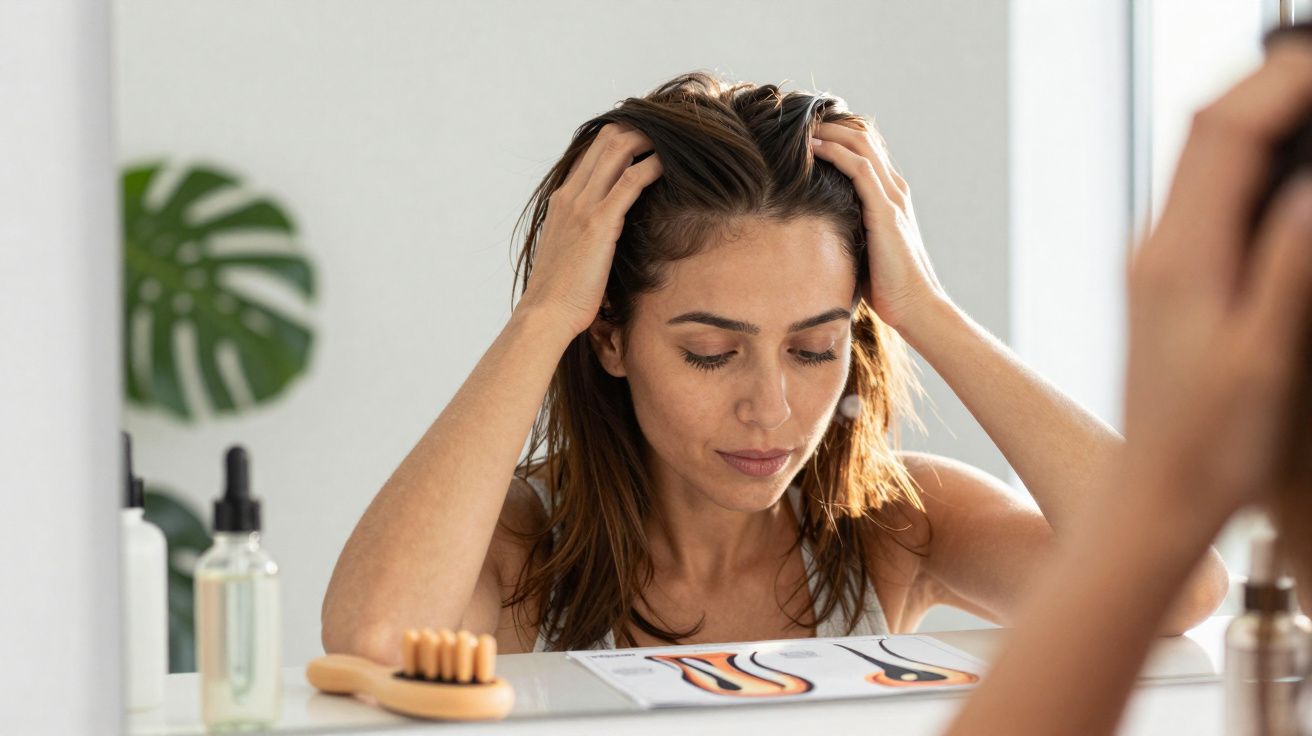
Underneath the trend is a quieter, more personal narrative: that bathroom moment when you lean closer to the mirror and notice a new white thread catching the light at your hairline. Some people pluck it. Others exhale and reach for a box dye. A few stop, touch it, and decide to let it stay. That tiny choice can feel unexpectedly political.
And social pressure doesn’t vanish overnight. A 42‑year‑old solicitor might feel perfectly comfortable with silver streaks at a yoga class, then spiral with worry before a key client meeting. A mum of teenagers may be content with her greys until someone casually asks whether she’s their grandmother. Comments can linger.
If we’re being honest, very few people move through this with zero doubt. Freedom looks effortless in a reel; in real life it often comes paired with vulnerability.
| Key point | Detail | Value for the reader |
|---|---|---|
| Grey can soften features | A well‑cut, glossy silver reflects light and lifts the face | Helps you view grey as a styling advantage, not only as ageing |
| “Natural” still needs a plan | Cut, contrast, toners and scalp care matter as much as colour does | Steers you towards realistic, lower‑risk choices instead of viral “miracles” |
| The emotional side is real | Social pressure, workplace context and self‑image all influence the decision | Reassures you that uncertainty and mixed feelings are common |
FAQ
- Question 1: Does natural grey hair genuinely make you look younger, or is it just a trend slogan?
- Question 2: Can “natural” options such as henna, coffee, or rosemary safely take the place of chemical dyes?
- Question 3: How long does it typically take to move from dyed hair to mostly natural grey?
- Question 4: What should I ask my stylist if I want to blend my grey hair rather than fully cover it?
- Question 5: What if I try the natural approach, dislike my grey, and decide to dye it again?

Comments
No comments yet. Be the first to comment!
Leave a Comment