
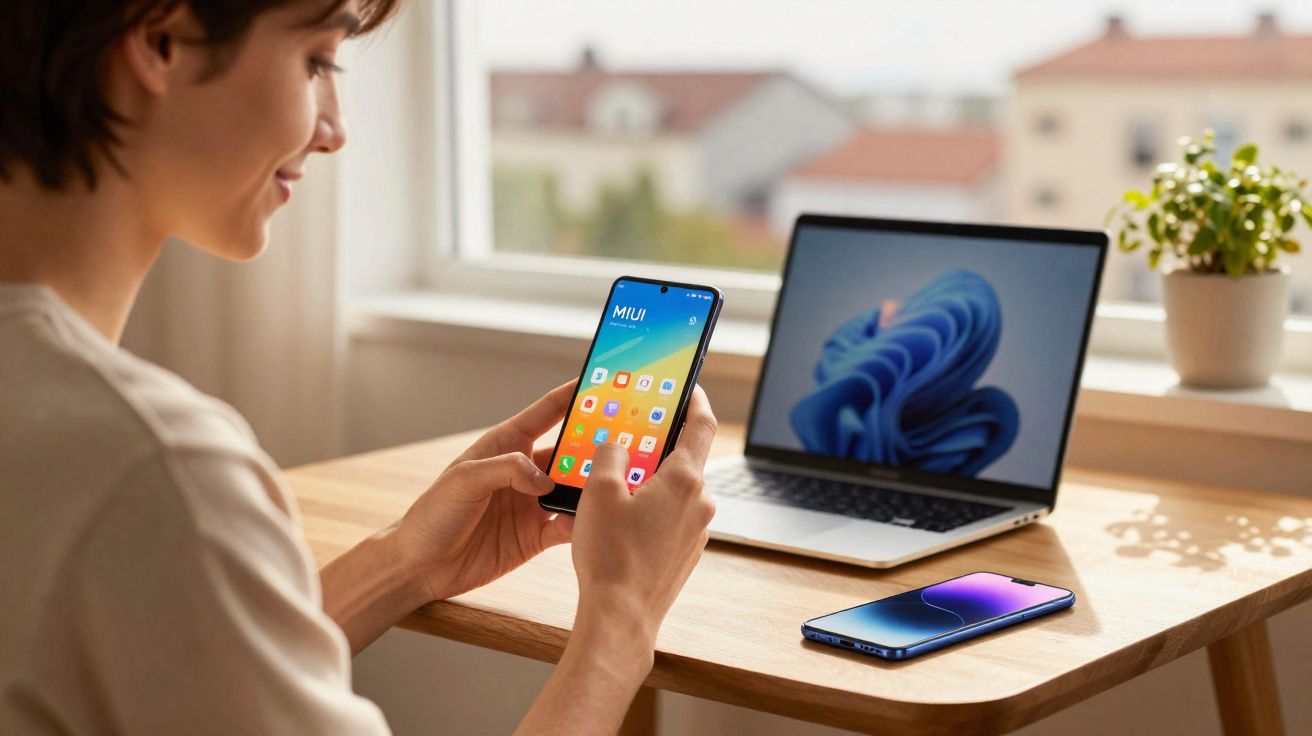
Xiaomi moves Redmi A2 and Redmi A2+ to EOL status
MIUI was Xiaomi’s first major software product, appearing in 2010 before the company even launched its own smartphones. Over time, the interface grew into one of the world’s best-known Android skins; at its height, it attracted more than 500 million monthly active users. MIUI became recognised for extensive personalisation options, its own app ecosystem, and tools such as Second Space, Dual Apps, App Lock, and built-in call recording.
Xiaomi has now drawn a definitive line under MIUI’s lifecycle. The last devices that were still receiving updates for this interface - Redmi A2 and Redmi A2+ - have officially been moved to EOL status from 24 March 2026. In practice, this means software support has been fully discontinued, marking MIUI’s effective end as a standalone platform.
Although Xiaomi has already transitioned the rest of its device range to HyperOS, the Redmi A2 and A2+ continued for a while to receive security patches and minor MIUI-based updates. With this change, Xiaomi has closed the final remaining chapter of MIUI - a project that originally began as a custom firmware for third-party Android phones.
Xiaomi formally set the shift away from MIUI towards HyperOS in 2023. The company presented the move as necessary to build a single software foundation for its broader ecosystem - spanning smartphones, smart home products, and cars. HyperOS sits within the Human x Car x Home strategy, under which Xiaomi is aiming to create a connected digital environment across different device categories.






Comments
No comments yet. Be the first to comment!
Leave a Comment