
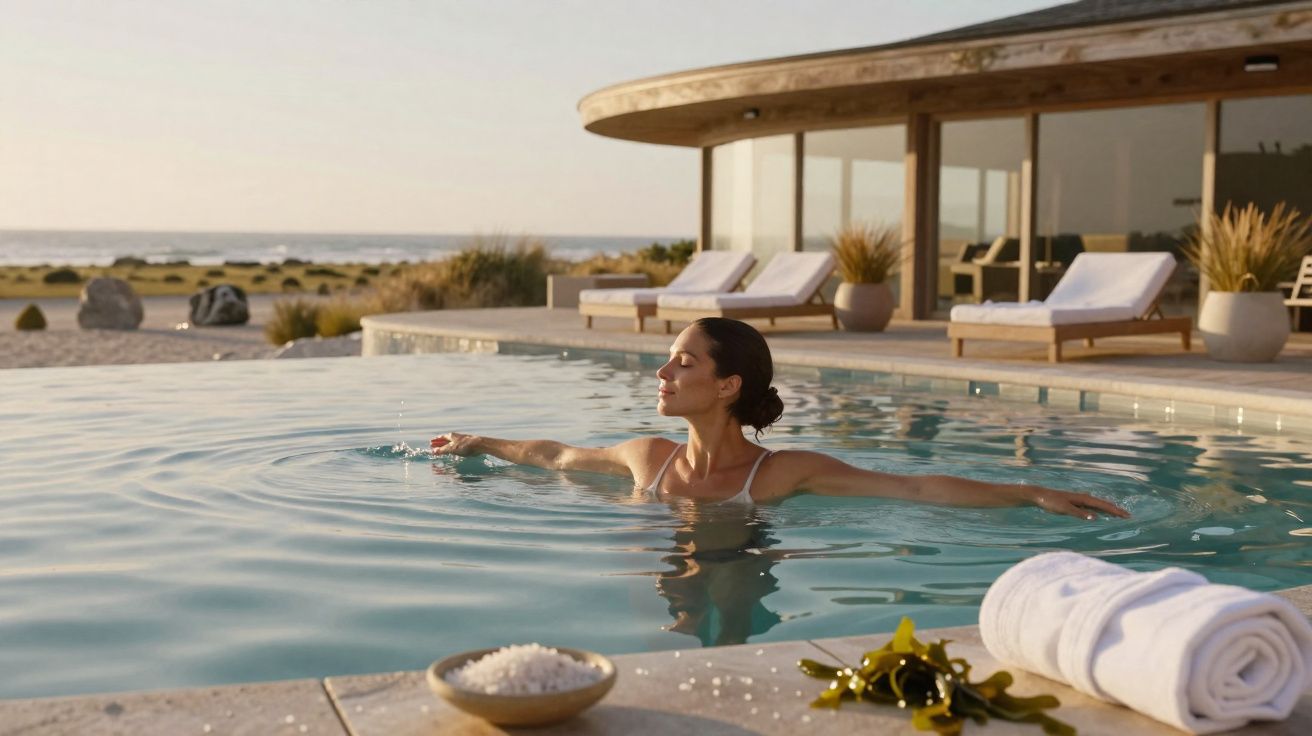
A blustery edge of Brittany-shaped by water, shifting light and unhurried days-is quietly redefining what a coastal escape can be.
On France’s untamed Atlantic coastline, Thalazur Carnac has reopened following an 18‑month overhaul. What was once a familiar thalassotherapy stopover has been reimagined as a fully fledged seaside retreat, where wellbeing feels less like an appointment and more like part of everyday life.
A 1970s thalasso icon reborn for a new kind of traveller
Thalazur Carnac first emerged in the 1970s, when thalassotherapy swept France-using seawater, marine mud and ocean air to support recovery and restore balance. For years, the hotel became a go‑to address for spa devotees and health‑minded regulars drawn to southern Brittany.
In 2017, the site became part of the Thalazur group, known for specialist marine wellness stays. That step connected Carnac to a wider collection of coastal retreats spanning the Atlantic and the Mediterranean. The next major milestone arrived in 2024, when an extensive renovation began under Hively Hospitality, with CB Architectes and interior architect Nicolas Thermed.
Completed in summer 2025, the project set out to do more than modernise the building. The new Carnac is designed to feel less clinical and more like a lived‑in seaside home-where salt on the skin, warm timber underfoot and the tempo of the tides set the tone.
Thalazur Carnac no longer offers only treatments; it offers time, space and a slower bodily pace, tuned to the sea.
A coastal retreat designed around light, texture and low-impact comfort
The relaunch brings substantial scale. The resort now includes 200 gently styled rooms and suites, 22 studios and 12 apartments in a residence wing, a restaurant, a lounge bar, garden areas, and a 4,500 m² thalasso and marine spa centre.
Rather than high‑gloss finishes, the interiors favour natural surfaces and calm tactility: pale wood, stone, and broad panes of glass that draw in Atlantic daylight. The palette mirrors the surroundings-dune grass, rain‑dark sand, slate roofs and seafoam tones. In the rooms, comfort and texture take precedence over showy technology, with layouts that prioritise the view instead of competing with it.
The property has also earned the Green Key (Clef Verte) eco‑label, signalling a commitment to lower‑impact operations. In practice, this typically points to measures such as tighter water and energy management, reducing single‑use plastics, working with local suppliers, and clearer environmental reporting.
Expansive bay windows keep attention on the salt marshes and the shoreline-so the building behaves like a lens rather than a barrier.
What guests actually find on site at Thalazur Carnac
- 200 rooms and suites designed for couples, solo travellers and small groups
- A residence wing with 22 studios and 12 apartments for longer stays
- A 4,500 m² marine spa and thalassotherapy centre
- Restaurant La Table des Salines plus a crêperie overlooking the salt marshes
- A lounge bar and gardens for informal socialising and downtime
Thalassotherapy at the core: water as a tool for recalibrating body and mind
The true centre of Thalazur Carnac sits in its water‑focused spaces: a large aquatic zone where pools, circuits and treatment rooms maintain a direct relationship with the ocean beyond the dunes. The renewed thalasso spa reflects Thalazur’s long‑held principle-caring through the sea.
Guests circulate through a set of marine‑led facilities: outdoor seawater baths warmed against the Atlantic breeze; a hammam; a Japanese‑inspired sauna area; and a “marine trail” combining massaging waterbeds, counter‑current lanes and precisely aimed jets. Each feature is intended to stimulate circulation, loosen muscular tension or encourage the nervous system to slow down.
Beyond the facilities themselves, the resort offers Thalazur’s own protocols alongside treatments developed with French brands Thalgo and Payot, both recognised for algae‑rich, marine‑inspired formulations. Sensory areas add soundscapes, light therapy and scent, creating a quieter, more inward‑looking tempo.
Warm seawater, iodine‑rich air and repeated aquatic movement can work like a metronome, helping overstretched bodies settle into a calmer pattern.
From classic cures to epigenetic-inspired programmes at Thalazur Carnac
Day guests can choose à la carte treatments, but Carnac also continues the French tradition of structured “cures”-multi‑day programmes combining hydrotherapy, guided exercise and nutritional support.
Thalazur draws on around 20 years of internal research into the way lifestyle may influence gene expression, often described as epigenetics. Without claiming quick fixes, some stays are shaped around this idea, with emphasis on sleep quality, inflammation, metabolic balance and stress regulation.
| Type of marine cure | Main focus | Typical tools used |
|---|---|---|
| Stress reset | Nervous system, sleep, mental overload | Warm baths, body wraps, guided breathing, gentle exercise |
| Joint & mobility | Stiffness, persistent aches, post-sport recovery | Hydrojets, seawater pools, physiotherapy, targeted algae packs |
| Metabolic balance | Energy levels, weight-related goals | Aquatic workouts, nutrition guidance, draining treatments |
| Epigenetic-inspired | Long-term habits affecting ageing and resilience | Personalised programmes, monitoring, education sessions |
With the thalasso area reopening in October, Carnac positions itself firmly within the winter wellness season. For Northern Europeans and UK travellers, the appeal of an “iodised winter”-salty air, crisp light and hot seawater pools-fits a broader move away from purely sun‑seeking breaks towards short, health‑led micro‑retreats.
La Table des Salines: eating with the tide, not against it
Food can easily derail wellbeing intentions; here, it is meant to reinforce them. At La Table des Salines, Thalazur’s “5S” approach frames meals as a form of alignment rather than restriction.
The 5S stand for:
- Flavour (Saveurs) – food must be genuinely delicious, not just “good for you” in theory.
- Simplicity – short ingredient lists and straightforward techniques.
- Season – menus track local availability, from oysters to winter roots.
- Geographical situation – a clear preference for Breton producers and coastal catches.
- Health (Sainement) – fats, fibre and portion sizes adjusted with the in‑house dietitian.
The outcome is a style of cooking built around grilled fish, buckwheat, sea vegetables, fermented dairy and crisp, fresh produce. Guests can opt for the full gastronomic menu or choose a version developed with the centre’s dietitian-particularly useful for those following a specific cure.
Here, the plate is treated as another therapeutic tool: satisfying, anchored in place, and light enough to support the body’s repair work.
A separate crêperie embraces Brittany’s comforting staples, with galettes and sweet crêpes updated using higher‑quality flours, seasonal toppings and artisanal cider. Through the windows, the salt marshes remain in view, maintaining that constant conversation between land and sea.
Between standing stones and salt marshes: why Carnac suits slow wellness
Carnac’s pull is not confined to the spa. The area layers long sandy beaches, sheltered coves, coastal footpaths and a network of marshland that can glow rose and gold at sunset. When the weather clears, shoreline walks become both gentle exercise and a form of light therapy.
Just a short drive inland, Carnac’s Neolithic standing stones give the town international recognition. Local authorities are seeking UNESCO World Heritage status, which would place the site in the same cultural league as Stonehenge and Newgrange. For visitors, the combination is unusual: ocean‑led body care alongside time spent among some of Europe’s oldest ceremonial landscapes.
Hospitality here aims to be understated and welcoming rather than showy. Staff concentrate on helping guests navigate their stay instead of pressing constant add‑ons-an important detail for anyone arriving depleted, uncomfortable in their body, or simply overstimulated.
Is thalassotherapy for everyone?
Marine wellness has been gaining traction in the UK and the US, yet many travellers are unsure what thalassotherapy involves. Seawater‑based therapies can suit people looking for gentle, low‑impact support-whether recovering from stress, inactivity or certain ongoing aches. Water buoyancy reduces pressure on joints, while warmth and minerals can help tight muscles release.
That said, caution is sensible in some circumstances. Anyone with uncontrolled cardiovascular conditions, severe skin infections, or particular thyroid concerns linked to iodine sensitivity should seek medical advice before booking a marine‑focused cure. Reputable centres screen guests, adapt protocols where necessary, and liaise with local health professionals when appropriate.
Why this French coastal reboot matters beyond tourism
Carnac’s relaunch reflects a broader movement in hospitality: coastal hotels increasingly position themselves as wellbeing partners, not merely places to sleep. That shift raises practical questions about staff training, appropriate follow‑up, and where the boundary sits between spa culture and medical care.
For UK and US travellers considering Thalazur Carnac, the resort functions as a real‑world test case. It asks whether a mid‑length Atlantic stay-structured around water, nutritionally considered food and quietly delivered comfort-can rival longer, long‑haul wellness journeys to Asia or the Americas.
On a more everyday level, the approach offers ideas that travel well back home: swapping the pursuit of heat for brisk seaside walks; using regular pool or bath time to manage stiffness instead of living with constant tension; and building meals around seasonal fish, whole grains and sea vegetables rather than short‑term “fixes”.
Bringing the Thalazur Carnac rhythm home
Even without booking a cure, the logic behind Thalazur Carnac can be applied to ordinary routines. A consistent schedule-steady sleep and wake times, movement that is kind to joints, and meals aligned with the season-often does as much for wellbeing as any single treatment.
Equally, the coastline is not only a holiday backdrop; it can be a practical resource. In the UK, regular time by the sea-especially in winter-offers fresh air, exposure to natural light and space away from screens, all of which support calmer stress patterns and better recovery.
The idea behind Carnac’s rebirth is not indulgence so much as rhythm: using the sea-and everything around it-as a metronome for daily life.





Comments
No comments yet. Be the first to comment!
Leave a Comment