
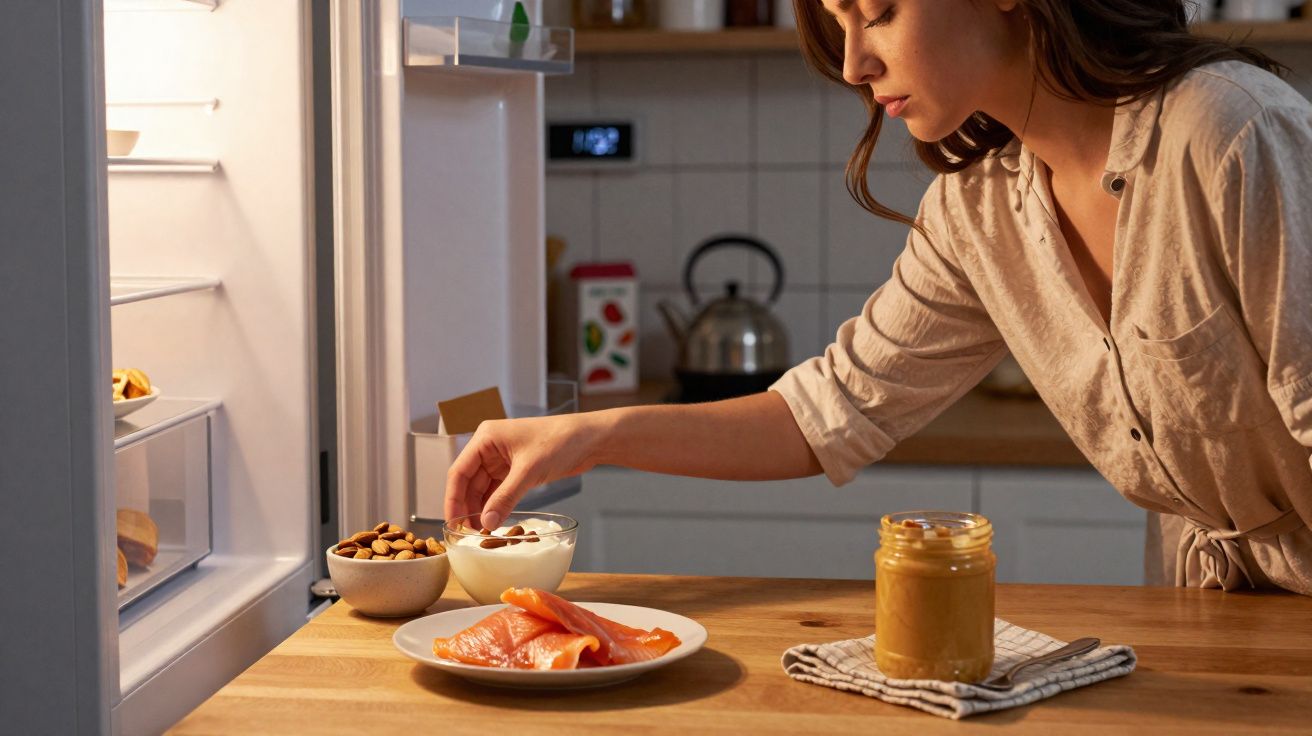
When your stomach is louder than the telly at night, it’s all too easy to reach for crisps and biscuits.
There are better options.
Late in the evening, hunger can suddenly pipe up even though the lights are already off and you’re meant to be winding down. Many people end up standing in front of the fridge, unsure whether to eat or try to ignore it. Specialists generally advise keeping your stomach as settled as possible overnight - but they’re also clear about when a small snack is perfectly fine, and which foods are least likely to disturb sleep.
Why late-night hunger is so annoying - and what’s really going on
Nutrition doctors see this pattern regularly: people who graze after midnight tend to report more stomach issues, lighter, more disrupted sleep, and easier weight gain. Your body is shifting into night mode, and digestion slows down. Large portions or very fatty foods can feel literally heavy in the stomach at that time.
One US nutrition expert sums it up simply: late snacks shouldn’t keep your stomach busy for too long. If food lingers in the upper digestive tract, the risk of heartburn and acid reflux rises. On top of that, the wrong snacks can send blood sugar soaring - putting your body into “work mode” rather than “sleep mode”.
The ideal late snack is small, easy to digest, and provides a mix of carbohydrates, protein, and healthy fats.
That’s the goal: not rigidly banning food, but choosing with purpose. If you’re genuinely hungry, lying there with a rumbling stomach often makes sleep worse. In that situation, a sensible mini-snack is usually a better idea than battling hunger until morning.
When a snack before bed can actually make sense
Night-time hunger rarely appears out of nowhere. More often, it’s the result of an unbalanced day, such as:
- eating too little across the day
- having an early dinner or a very light evening meal
- doing lots of exercise in the evening without a suitable meal afterwards
- eating plenty of sugar and white flour in the evening, which can send blood sugar on a rollercoaster
If strong cravings only pop up now and then, a small snack can help you settle again. But if you’re regularly raiding the fridge every night, it’s worth taking a hard look at your routine - especially dinner. Too little protein, too little fibre, and too many fast carbohydrates can make you more prone to that late-evening slump over time.
Four late-night snacks for better sleep (almonds, natural yoghurt, peanut butter, smoked salmon)
Nutrition experts repeatedly highlight four foods that work particularly well for late hunger. They provide nutrients, keep you satisfied without weighing you down, and may even help you relax.
A) Almonds: small portion, big impact
Almonds are a classic “healthy snack” choice. They provide magnesium, which supports calmer muscles and nerves, and they contain natural amounts of melatonin - a hormone involved in regulating the sleep–wake cycle.
- Amount: roughly a small handful (10–15 almonds)
- Effect: feels satisfying without leaving you bloated
- Benefit: easy to portion; no kitchen effort required
Choose unsalted almonds where possible. Very salty nuts can make you thirsty, and getting up to drink can wake you up - not to mention the potential for a middle-of-the-night trip to the loo.
B) Natural yoghurt: light, high in protein, and gentle on the stomach
A pot of natural yoghurt sits near the top of many professionals’ lists for late snacks. The protein helps you feel comfortably full without sitting heavily, and yoghurt tends to move through the stomach relatively quickly.
High protein, low sugar, and a sensible portion - natural yoghurt can be the “perfect” midnight snack.
If plain yoghurt isn’t your favourite, stir in a few berries or 1 teaspoon of oats. Pre-sweetened yoghurts with lots of sugar are a poorer choice, because they can push blood sugar up right before sleep.
C) Peanut butter: one spoonful for a calmer feel
Peanut butter might sound like a kids’ lunchbox staple, but it has a few night-friendly qualities. It supplies healthy fats and the amino acid tryptophan, which your body uses to produce serotonin - a messenger linked to wellbeing and relaxation.
For peanut butter to help rather than hinder, the amount and pairing matter:
- 1 tablespoon of peanut butter is plenty
- best on a thin slice of wholemeal bread or a crispbread/cracker
- avoid versions with lots of sugar and palm oil
This creates a small snack that keeps you satisfied without feeling like it “sticks” in your stomach. If you add a glass of water or herbal tea, you’re more likely to head to bed feeling settled.
D) Smoked salmon: the surprising sleep supporter
Smoked salmon before bed can sound unusual, yet it appears regularly in expert recommendations. The reason is its omega‑3 fatty acids and vitamin D. Both nutrients are associated with a more balanced hormone environment, less internal restlessness, and better sleep quality.
A thin slice of salmon on a little bread can be relaxing without feeling too much.
Portion size is key: a small amount is enough. That way you get healthy fats and protein without forcing your stomach to work overtime. If you’re sensitive to salt, pick a milder, less salty smoked salmon and drink a little water alongside it.
How to fit late-night snacks into your routine without turning them into a second dinner
Late snacks shouldn’t become a full extra evening meal. With a bit of planning, you stay in control - and the guilt tends to fade.
| Snack | Recommended amount | Ideal window |
|---|---|---|
| Almonds | 10–15 almonds | 22:00–23:30 |
| Natural yoghurt | 150–200 g | up to around 1 hour before sleep |
| Peanut butter with wholemeal bread | 1 slice + 1 tbsp peanut butter | for strong hunger, at most once per night |
| Smoked salmon with bread | 1–2 thin slices | especially after late exercise or a long working day |
If you notice you’re hungry after midnight most nights, adjusting dinner can help: a bit more protein, more fibre (for example vegetables, pulses, wholegrains), and a small portion of healthy fats can keep you fuller for longer. For many people, that alone reduces late cravings.
A helpful extra tip is to treat your bedtime snack like part of your plan, not a spontaneous raid. Decide what you’ll have in advance, keep portions modest, and aim to eat it calmly rather than while scrolling - it’s easier to stop at “enough”.
If reflux or heartburn is an issue for you, consider leaving a longer gap between eating and lying down, and choose the lightest option from the list (for example natural yoghurt). If you have diabetes, take blood sugar stability into account and discuss regular night-time hunger with your clinician, particularly if it’s new or worsening.
What you’re better off avoiding at night
Choosing “good” snacks matters - but so does knowing which foods tend to backfire late in the evening. Less suitable options include:
- large amounts of sweets, chocolate, cakes, or pastries
- very fatty meals such as pizza, kebabs, or chips
- energy drinks and large amounts of cola or iced tea
- alcohol - it may make you feel drowsy, but it clearly reduces sleep quality
These foods can strain digestion and metabolism right before bed. If it happens once a month, it’s rarely a big issue. But it shouldn’t become a routine - especially for people with a sensitive stomach, excess weight, or an increased risk of diabetes.
What tryptophan, melatonin, and omega‑3 are actually about
A lot of late-snack advice focuses on just a few nutrients. This quick overview helps put the recommendations into context:
- Tryptophan: a building block for serotonin and melatonin. Found in nuts, seeds, eggs, and peanuts, among other foods. Your body can use it more effectively when paired with carbohydrates.
- Melatonin: a hormone that regulates the sleep–wake cycle. Your body makes it naturally, and small amounts also occur in foods such as nuts.
- Omega‑3 fatty acids: have anti-inflammatory effects and may soften the stress response. They’re abundant in oily fish such as salmon, mackerel, and herring.
Late snacks can’t replace a balanced diet across the day - they can only complement it. If you eat reasonably at breakfast, lunch, and dinner, you’ll need a “rescue snack” at night far less often.
Practical strategies to stop the fridge calling your name at midnight
A few simple habits can help you stay on track:
- drink a glass of water first - thirst can sometimes feel like hunger
- check in with yourself: is it true hunger, or boredom, stress, or frustration?
- decide your snack in advance (for example: “If I’m hungry tonight, I’ll have yoghurt”) - it prevents random cupboard rummaging
- don’t eat straight from the packet; portion it out deliberately
Stick to these basics and you can have a late snack without feeling bad about it. Cravings are a signal worth paying attention to. With the right foods, it doesn’t turn into a drama - just a small, planned pit stop on the way to a calmer night.



Comments
No comments yet. Be the first to comment!
Leave a Comment