
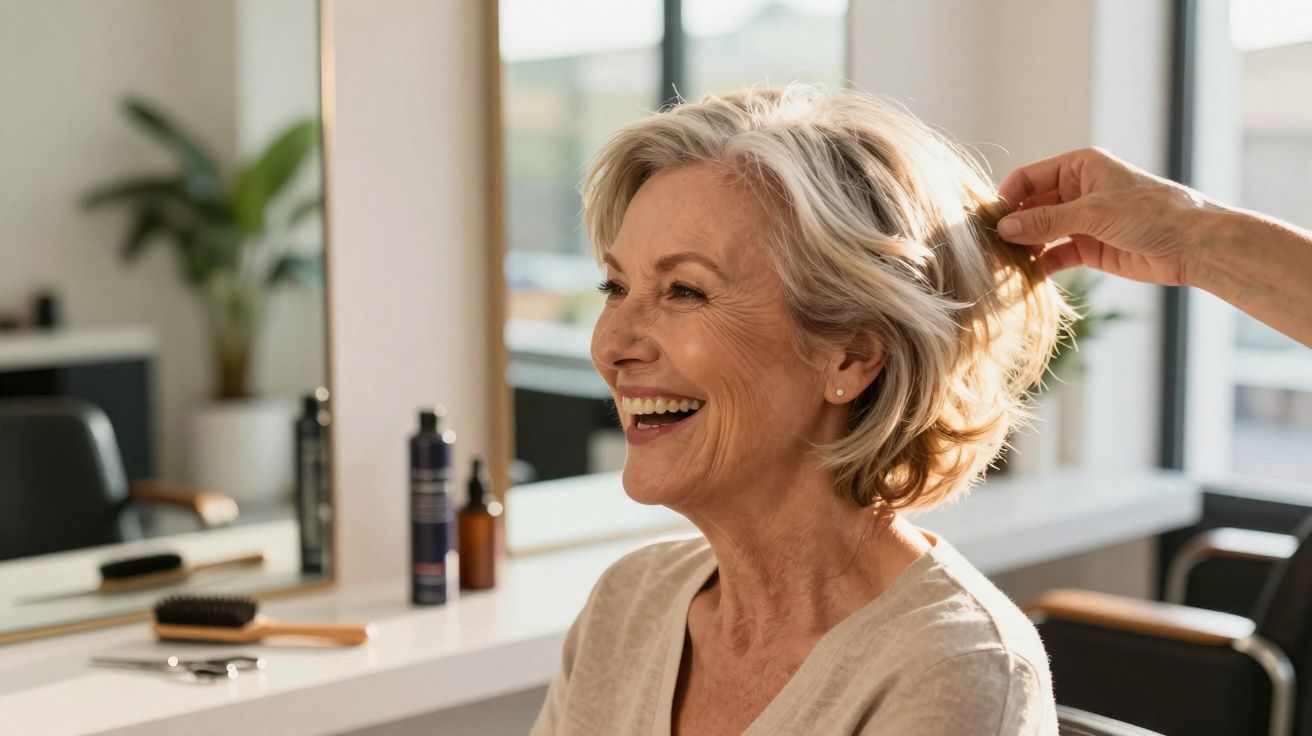
Spring appointments in the salon diary are disappearing quickly, and there’s one brisk, no-nonsense haircut that’s suddenly being talked about everywhere for women over 70.
In both neighbourhood salons and on social media feeds, the trixie cut is shaping up as the season’s most requested short style-delivering a lighter, brighter look with minimal effort.
What exactly is the trixie cut?
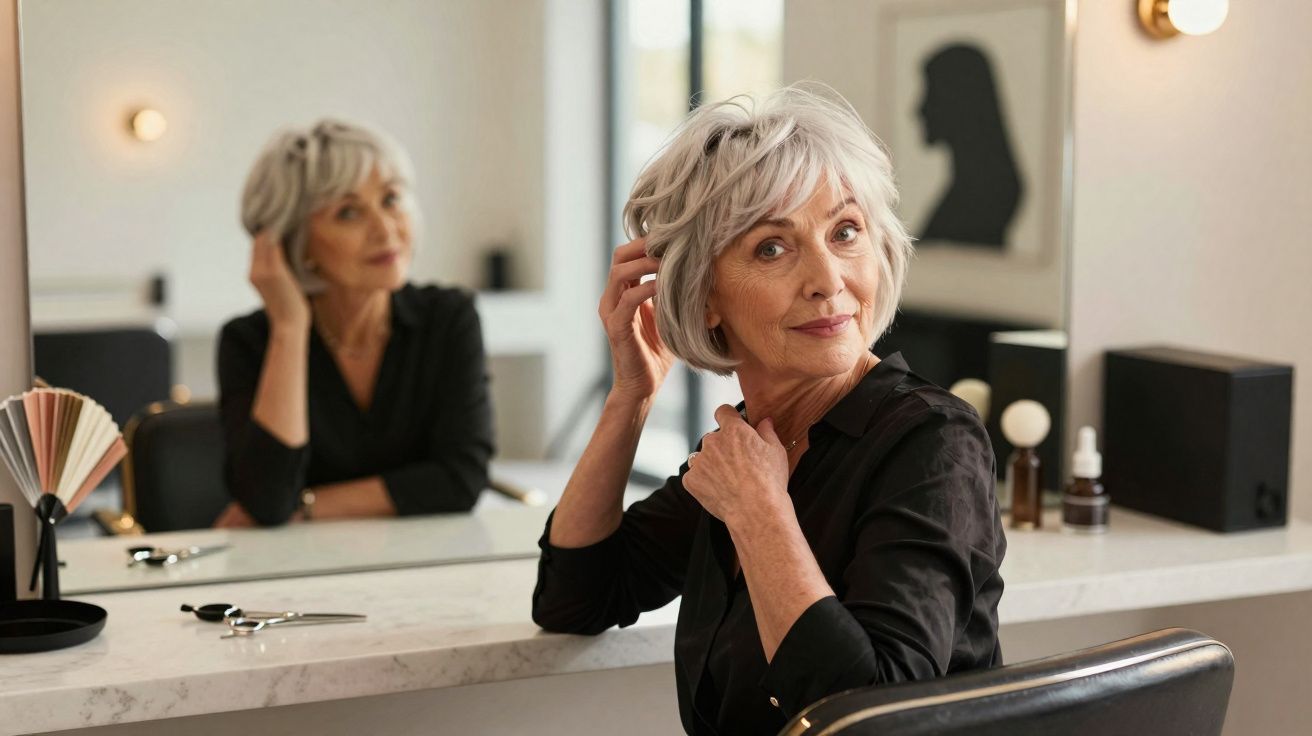
The trixie cut is a short, cropped style that sits neatly between a pixie cut and a traditional short bob. It’s clipped close at the nape and through the sides, while the top is left a touch longer with added texture. The finished result feels light, airy and gently structured.
Rather than being an ultra-severe crop, the trixie keeps enough length for flexibility. The front can be swept to one side, brushed back, or shaped into a soft fringe. Because it follows the hair’s natural direction of growth, it tends to be quick to style and easy to live with.
"The trixie cut keeps the neck clear and the face framed, creating a lifted, almost “open” look that flatters mature features."
For women over 70, that sweet spot-short, but not too tight, with a slightly tousled finish-often looks more refreshed than either a very close crop or a weightier mid-length cut.
Why it flatters women over 70
Hair commonly changes over time: it can become finer, the scalp may show through more readily, and growth often slows. The trixie cut is designed to work with those shifts instead of battling against them.
Lifting and softening facial features
This shape naturally traces the jawline and cheekbones. With a little height at the crown and tidier sides, it can create the impression of the face being gently lifted. That effect may soften the look of marionette lines and jowls without needing intensive styling.
A light fringe-or side-swept pieces at the front-can also help to soften forehead lines and draw attention towards the eyes rather than the hairline.
"The strategic volume of the trixie cut gives the illusion of thicker hair and a more defined facial contour."
Working with thinning or fragile hair
Keeping the length shorter reduces weight at the roots, which can help fine hair sit up and appear fuller. With a trixie cut, hair is typically shaped using subtle layering or point-cutting at the ends, creating movement while still retaining enough density.
Because the cut isn’t overly layered, the scalp can be less obvious than with some feather-light pixie styles-important for anyone who feels self-conscious about thinner areas.
Key features of the trixie cut haircut
- Length: Close at the nape, finishing around the top of the ears to mid-ear.
- Top section: Left slightly longer to allow gentle movement and easy changes of parting.
- Fringe options: Micro fringe, side-swept fringe, or a soft, grown-out bang.
- Texture: Soft, controlled layering for volume-nothing overly choppy or extreme.
- Finish: Works equally well sleek and polished, or lightly undone and casual.
Thanks to that adaptable framework, the same core cut can be shaped to suit very different tastes-from understated and classic to more daring.
How the trixie cut differs from other short crops
| Style | Main features | Compared with the trixie cut |
|---|---|---|
| Classic pixie | Very short overall, often tight around the ears and neckline | The trixie keeps extra length on top, giving a softer range of styling options |
| Short bob | One length or lightly layered, typically sitting at jaw height | The trixie reveals the nape and feels lighter, reducing bulk around the jaw |
| Shaggy crop | Plenty of choppy layers with tousled ends | The trixie is more refined and structured, making low-maintenance styling simpler |
For many women over 70, that “in-between” feel is exactly the appeal: contemporary and crisp, without looking too extreme.
Why the trixie cut feels “youth boosting”
Many stylists now focus less on “looking younger” and more on appearing alert, rested and full of energy. The trixie cut fits neatly with that more modern mindset.
Movement and lightness
When older hair hangs without shape, it can look flat and fatigued. The trixie’s gentle layers promote natural movement as you walk, which helps hair catch the light and appear shinier with more dimension.
With the neck cleared and less weight sitting on the shoulders, posture can also look more upright-often giving an overall more lively impression.
Face-framing, not face-hiding
Long sections that drape down either side can pull the face visually downward. The trixie keeps hair away from the face while still offering a soft outline, bringing attention to the eyes, cheekbones and smile lines in a more flattering way.
"Rather than masking age, the trixie cut highlights expression and personality, which often reads as more youthful than any particular length."
Adapting the trixie cut to your hair and lifestyle
A trixie cut should never be one-size-fits-all. A skilled stylist will adjust the proportions to match how your hair behaves and how you prefer to get ready day to day.
For wavy or curly hair
Natural wave can give the trixie a playful, characterful finish. Your stylist may keep a bit more length on the top and crown so curls form nicely on their own. For definition, a small amount of curl cream or a light mousse is often plenty.
At the back and sides, hair can be tapered or undercut to prevent width and bulk spreading outwards. The aim is a contained silhouette with soft, springy texture.
For straight, fine hair
Fine, straight hair often responds well to discreet internal layers that encourage lift at the roots. Texturising scissors may be used sparingly on the ends (rather than near the scalp) to avoid a fluffy, overly airy look.
A volumising spray at the crown, followed by a quick blast-dry with your head tipped forward, can create lift in under five minutes.
Maintenance: how often to visit the salon
Because it’s a short style, the trixie cut can lose its shape faster as it grows. If you like a crisp outline, a trim every four to six weeks is ideal. If you’re happy with a softer, more relaxed shape, you can often stretch it to eight weeks.
At home, it’s straightforward to style:
- Pat dry gently with a towel to reduce breakage.
- Work in a pea-sized amount of lightweight styling cream or foam.
- Lift the crown with fingers or a small round brush to boost the roots.
- If you want extra hold, finish with a light mist of flexible hairspray.
"Most women find the trixie cut can be styled in under ten minutes, even on slower mornings."
Colour choices that enhance the cut after 70
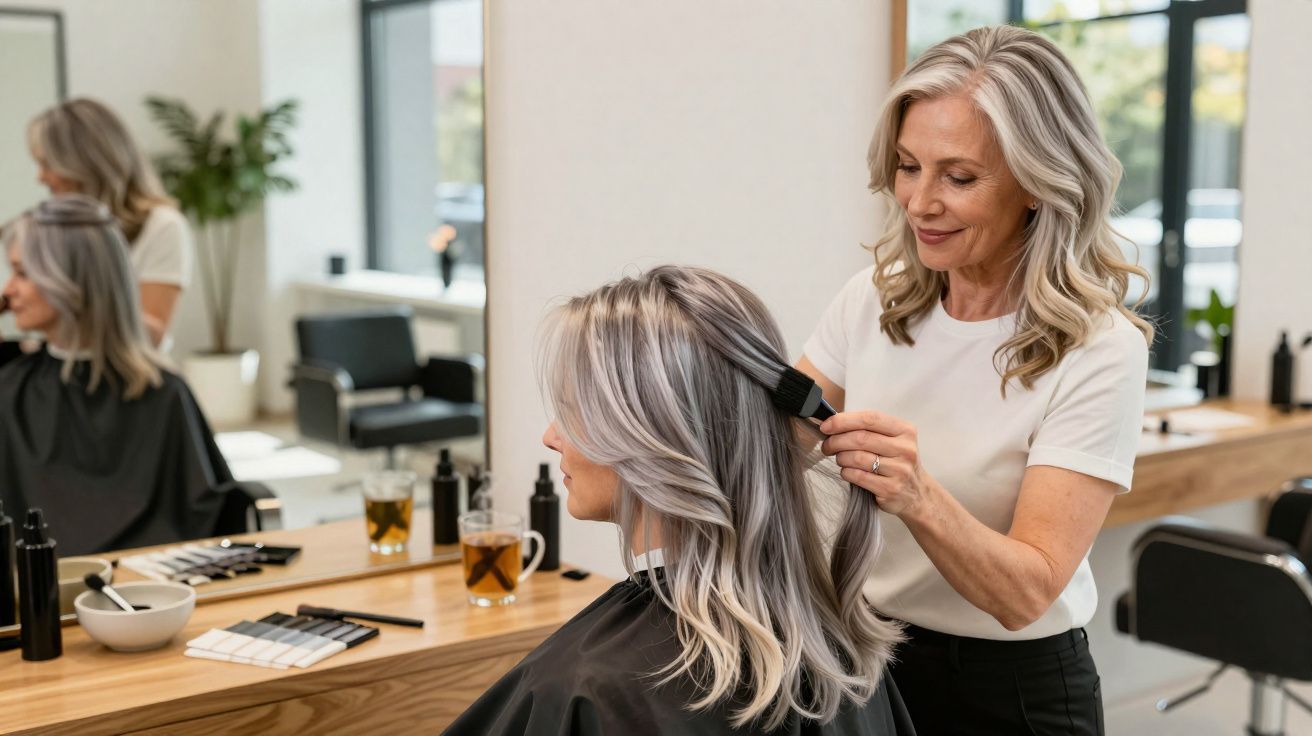
The trixie cut suits a wide range of shades, from natural grey through to warmer tones. With less length to maintain and condition, colour upkeep can feel simpler with a short cut.
Commonly chosen options include:
- Soft silver or steel grey: embraces natural greys, with gloss treatments adding brightness.
- Champagne blonde: delicate highlights that make regrowth lines less noticeable.
- Warm beige or light brown: complements warmer skin tones without looking harsh.
- Subtle lowlights: adds depth to very white hair, helping the crop appear denser.
For more delicate hair, semi-permanent colour or tinted conditioners can revive tone without relying on stronger chemicals.
Questions to ask your stylist before committing
A short, clear conversation before the first snip can be the difference between feeling freed by a new look and feeling startled by the change.
- How will this cut grow out over three months?
- Can you adjust the length if I want to keep a little more around my ears or fringe?
- What styling products will I realistically need at home?
- Will the cut work with my glasses or hearing aids?
- Can we keep some softness around the hairline for a less severe finish?
Many stylists are also happy to do a quick “preview” by pinning and tucking your current hair to suggest the overall shape before cutting.
Practical scenarios: who the trixie cut suits best
The trixie cut is often a particularly good match for women who:
- Prefer a cleaner neckline with less hair sitting on the collar.
- Find their arms tire quickly when blow-drying longer hair.
- Want a tidy, put-together finish without long styling sessions.
- Enjoy switching their parting or changing fringe direction for variety.
For anyone busy with community groups, volunteering, or caring for grandchildren, the low-maintenance nature can genuinely simplify the day. It can take you from a brisk dog walk to lunch out with little more than a quick finger-comb.
Potential downsides and how to manage them
Short hair can feel less forgiving if you truly don’t like it-once it’s cut, the length can’t instantly come back. That’s why starting with a slightly longer take on the trixie can feel like a safer first step; if you love it, you can always go shorter at your next appointment.
Scalp sensitivity is another consideration. With more skin exposed, sun and cold can be felt more strongly. A lightweight SPF spray around the hairline and a hat on bright days can help prevent sunburn, while a soft beanie can be useful in winter.
If you have very tight curls or pronounced cowlicks, you may need a tailored variation. In some situations, a slightly longer crop with the same overall shaping will behave better day to day.
Related ideas: styling variations and seasonal tweaks
One of the strengths of this cut is how much impact small adjustments can make. Try changing your parting, tucking one side behind the ear, or adding a slim headband for a smarter occasion. A small amount of shine serum can also shift a daytime finish into something more evening-ready.
With the seasons, you might keep the back shorter through warmer months, then allow the top to grow a little in autumn for a cosier feel. The trixie cut’s core structure remains consistent, so growing it out tends to look intentional rather than untidy.
"The trixie cut is less about chasing youth and more about choosing a haircut that matches the pace, comfort and confidence of life after 70."



Comments
No comments yet. Be the first to comment!
Leave a Comment