
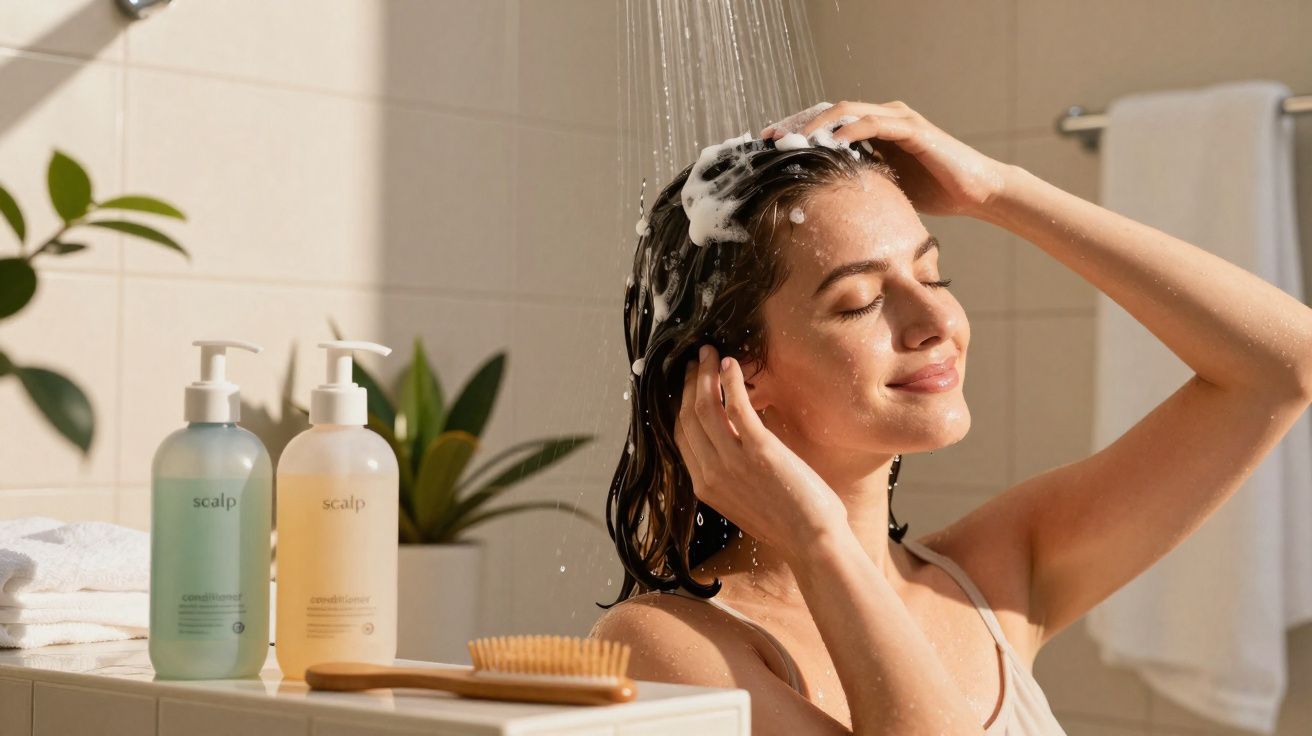
Many of us wash our hair on autopilot, but one small slip in the shower can quietly undermine every style you try to create.
Shampoo, lather, rinse, repeat - it’s a routine that feels almost automatic. However, French hairdresser Charlotte Probst has suggested that this everyday habit, repeated by millions, is commonly done in the wrong order. That minor misstep can help explain oily roots, limp lengths and colour that looks lacklustre, even if you’ve spent money on quality products.
Why your usual hair wash might be letting you down
After sharing her tips with lifestyle media, Probst says the issue usually isn’t the shampoo itself. More often, it’s where you’re putting it.
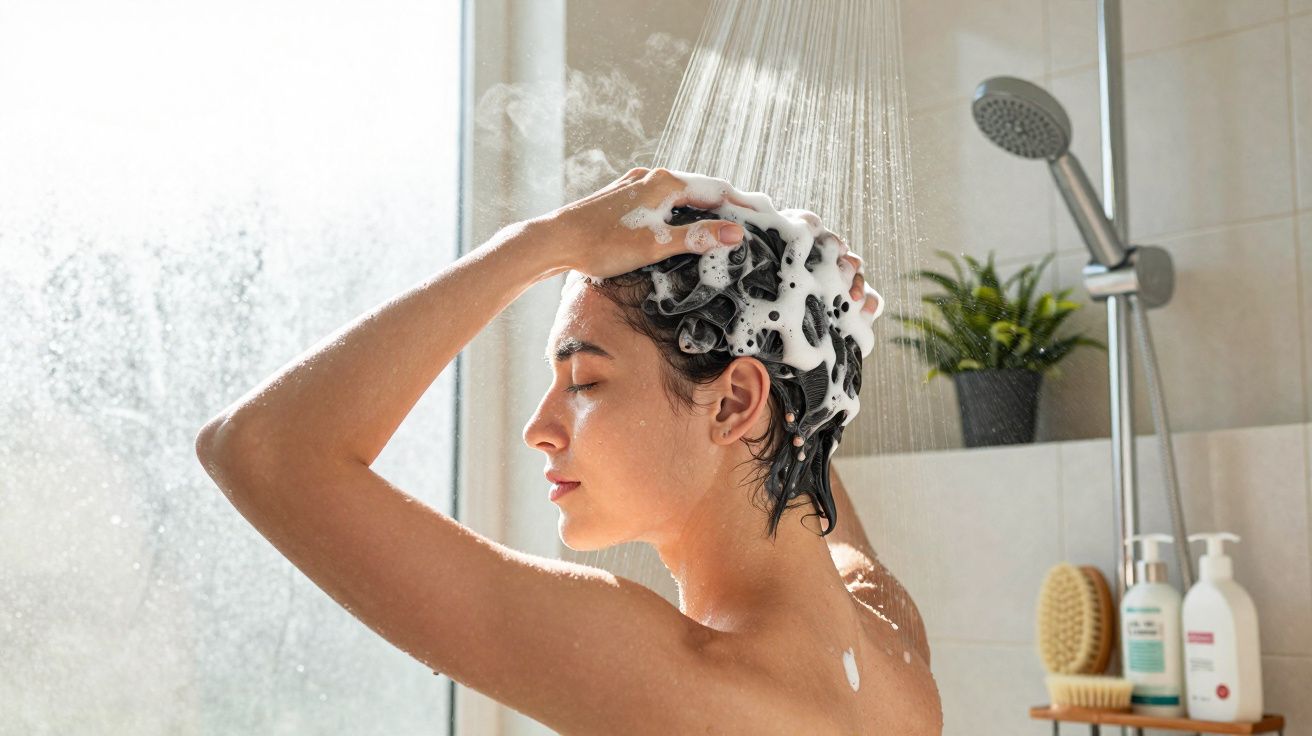
A lot of people work shampoo through the lengths, piling their hair on top of their head like they’re in a shampoo advert. It seems thorough, but it concentrates effort on the part of the hair that’s typically the least dirty. The real build-up is at the roots.
"The scalp, not the lengths, should be the star of your wash day. That’s where oil, pollution and product build-up sit."
When attention is misplaced, hair can look greasy again within 24 hours, while the ends are left feeling dry and coarse. In effect, the scalp remains burdened with sebum and residue, but the hair fibre gets stripped in the very areas that need protecting most.
The scalp-first method: how professionals wash hair
Probst’s approach comes down to a straightforward principle: treat hair care like skin care. You wouldn’t vigorously scrub your forearms while neglecting your face - and your head deserves the same logic.
Step 1: change where the shampoo goes
Shampoo is designed first and foremost to clean the scalp, which means prioritising the roots and largely leaving the lengths alone.
- Saturate your hair fully for at least 30 seconds.
- Use only a small amount of shampoo (roughly the size of a 10p coin).
- Work it into a lather between your palms before applying.
- Concentrate application on the scalp and roots - not the mid-lengths or ends.
"Let the foam slide down the lengths during rinsing. That gentle run-off is usually enough to clean the rest of your hair."
This small adjustment helps shield delicate ends from strong surfactants, while still lifting away sweat, oil and pollution where they actually accumulate.
Step 2: massage, rather than scratching
It’s common to mistake force for effectiveness and rake at the scalp with fingernails. Probst warns that this can cause irritation and even tiny scratches.
Instead, use your fingertips (the pads, not the nails) and massage across the scalp in small circles.
- Spend 30 to 60 seconds massaging for each round of shampoo.
- Give extra attention to the crown, hairline and nape, where sebum tends to collect.
- Don’t twist the lengths into a tight bundle, which can lead to tangling and breakage.
A gentle, consistent massage can support circulation without pushing oil glands into overproduction.
Step 3: why double shampooing matters
Skipping a second cleanse is another frequent error. Many hairdressers consider two shampoos the norm, particularly if you use styling products, dry shampoo, or live in a city with higher pollution.
"The first shampoo loosens dirt and residue; the second actually cleans. The foam on the second round shows you when hair is finally fresh."
If the shampoo lathers readily the second time, it’s a strong indication your scalp is properly clean. If it barely foams again, you may have significant build-up or heavy oil - and you might benefit from using a clarifying wash every few weeks.
Water temperature, rinsing and conditioner: small details that change everything
Your technique matters, but so does the water you use. A very hot shower may feel soothing, yet it’s not always kind to the scalp.
Hot vs lukewarm: what your scalp responds to best
Extremely hot water can encourage sebaceous glands to ramp up, leading to an oily rebound a day or two later. It can also compromise the cuticle, leaving hair feeling rougher and looking frizzier.
"Use lukewarm water for washing, then finish with cool water to help close the cuticle and add a touch of shine."
Rinsing properly is just as important. Leftover shampoo or conditioner can weigh hair down and leave the roots feeling sticky or itchy. Keep rinsing until the water runs totally clear and the roots no longer feel slick.
Where conditioner actually belongs
As a rule, if shampoo is for the scalp, conditioner is for the rest. Putting conditioner at the roots can make hair fall flat and shorten that freshly washed, bouncy effect.
- Lightly squeeze out excess water before you apply conditioner.
- Distribute it from the mid-lengths down to the ends.
- Keep it away from the first 3–5 cm from the scalp unless your hair is very curly or coiled.
- Leave it on for a couple of minutes, then rinse thoroughly.
"Think of conditioner as a protective coat for the fibre, not a scalp treatment."
If your hair is fine or easily weighed down, a lightweight leave-in spray conditioner or detangling mist may feel less heavy than a rich cream.
How often should you wash? It depends on your scalp
There isn’t a single rule such as “every two days”. Your ideal schedule depends on how quickly your scalp produces sebum, how active you are, and how much styling product you apply.
| Scalp type | Typical wash frequency | Key advice |
|---|---|---|
| Very oily | Every day or every other day | Gentle shampoo, focus on scalp, avoid hot water |
| Normal | Two to three times per week | Consistent routine, double shampoo if using products |
| Dry or sensitive | Once or twice per week | Soothing formulas, shorter contact time, rich conditioner |
| Curly/coily | From weekly to every 10–14 days | Hydrating cleansers, co-wash between shampoos |
If you’re hoping to wash less often, a scalp-first method can help because the roots tend to stay fresh for longer - reducing the temptation to shampoo daily. Dry shampoo can be useful too, provided you cleanse it out properly at the next wash to prevent build-up.
Common myths that keep hair looking flat and tired
“More foam means cleaner hair”
Lather is influenced by the surfactants in a formula and the amount of oil and dirt present - it isn’t a direct measure of cleanliness. Some mild shampoos foam less yet still cleanse effectively. Chasing big bubbles often leads to overusing shampoo, which can dry out the lengths.
“Scrubbing hard makes hair shinier”
Aggressive scrubbing can inflame the scalp and damage its protective barrier. Over time, a steady, gentle massage tends to work better - particularly if you deal with dandruff or itchiness.
“Oily roots mean you need a stronger shampoo”
In some cases, the reverse is true. Very stripping shampoos can leave the scalp over-dry, prompting it to compensate by producing even more sebum. A gentler shampoo, used correctly with lukewarm water, often results in less oil after a few weeks.
What your hair type can gain from a better hair wash
Moving to a scalp-first routine can noticeably change how your hair behaves - without switching products.
- Fine hair can get more lift at the roots because conditioner is no longer weighing down the scalp.
- Thick or wavy hair may feel looser and less knot-prone thanks to reduced friction while washing.
- Colour-treated hair can keep its tone for longer, as the lengths aren’t being over-cleansed each time.
- Curly hair can hold definition better when ends are protected with conditioner rather than repeatedly stripped by foam.
A common pattern looks like this: oily roots paired with dry ends leads someone to wash daily, shampoo everything vigorously, then apply a heavy conditioner to compensate. The result is often even oilier roots and even drier ends - and the loop continues. Separating tasks (shampoo for scalp, conditioning for lengths) can gradually break that cycle.
A few terms that make hair advice easier to understand
When stylists mention the “fibre”, they’re referring to the visible hair that extends beyond the scalp. Because it’s technically not living tissue, aiming for protection rather than true repair is usually more realistic.
“Sebum” is the natural oil produced by glands around the hair root. In the right amount it protects the scalp and helps hair feel soft. The aim isn’t to eliminate it completely, but to stop it building up alongside pollution, sweat and styling products.
The “cuticle” is the outer surface of each hair strand, made up of overlapping, scale-like layers. When those sit smoothly, hair reflects more light and appears shinier. Very hot water, harsh rubbing and washing too aggressively can lift the cuticle, leaving hair duller and rougher to the touch.
What happens when you change your routine
If you switch to a scalp-focused method, it can take a little time to settle. A scalp that has been heavily stripped day after day may need a couple of weeks to rebalance, so your roots may still feel greasy sooner than you’d prefer at first.
Sticking with it often brings noticeable benefits: wash days can become quicker, tangles may be easier to deal with, and styles can hold up for longer. Importantly, none of this depends on buying an expensive new range - it’s mainly about using what’s already in your shower more effectively.



Comments
No comments yet. Be the first to comment!
Leave a Comment