
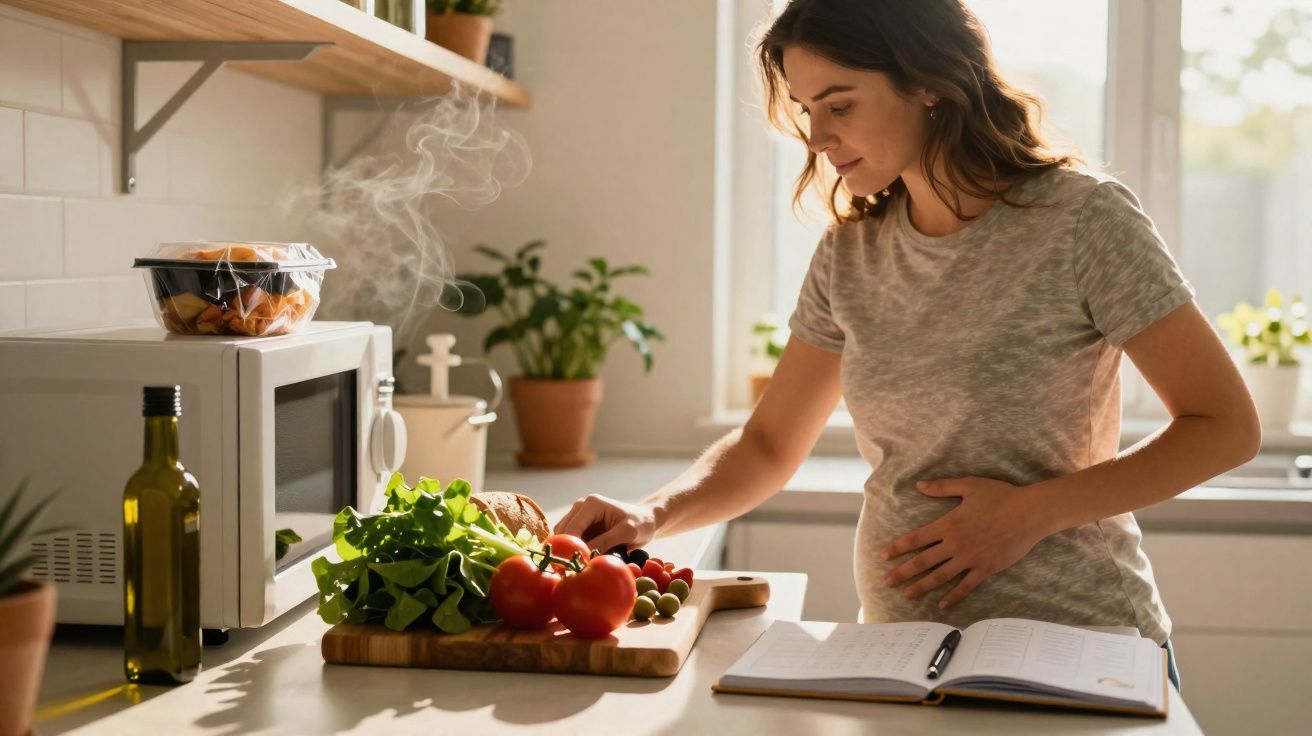
For years, discussions about female infertility focused mainly on age, hormonal disorders or underlying illness. A new analysis from Canada now suggests something else may matter far more than many assumed: what we eat - particularly when ultra-processed foods make up a large share of the daily diet.
What the researchers found
Researchers at McMaster University examined data from 2,582 women aged 20 to 45 who took part in a large health and nutrition study in the United States. Each participant reported both her usual eating habits and whether she had tried to become pregnant unsuccessfully for at least one year.
To explore the link with fertility, the team divided the women into two groups: those with, and those without, difficulty becoming pregnant. They also analysed detailed dietary records taken from two 24-hour recalls. This made it possible to estimate with reasonable precision how much of each woman’s daily energy intake came from ultra-processed products.
"On average, ultra-processed foods accounted for around 27 per cent of daily energy intake - among women with an unfulfilled wish for a child, the share was about 30 per cent."
A difference of three percentage points may not sound dramatic. Statistically, however, the pattern was clear: the higher the proportion of ultra-processed products, the lower the likelihood of intact fertility - even after adjusting for factors such as age, body weight and lifestyle.
What “ultra-processed” means in everyday life
Ultra-processed foods are not limited to classic fast-food meals. The term also covers a wide range of supermarket items that are convenient, heavily seasoned and long-lasting - but have little in common with their original ingredients.
Typical examples of ultra-processed products
- packaged snacks such as crisps, maize snacks, crackers and biscuits
- sugary fizzy drinks, energy drinks and sweetened iced teas
- frozen pizzas, ready-made lasagnes and other complete ready meals
- heavily processed sausages and formed/reconstituted meat products
- sweetened breakfast cereals with lots of additives
- instant noodles, instant sauces and microwave-ready meals
These products are often made through multiple processing stages, contain numerous additives (including flavourings, emulsifiers and preservatives), and are usually packaged in plastic. The researchers see this combination as a plausible route by which diet could affect fertility.
How chemicals in food can disrupt hormones
With ultra-processed products, the issue is not only sugar, fat and calories. They may also contain traces of chemicals that migrate into food from packaging or from manufacturing equipment.
Examples include phthalates and bisphenol A (BPA), used to make plastics softer or more durable, as well as acrylamide, which can form in certain foods when cooked at high temperatures. Many of these substances are considered hormonally active: they can bind to hormone receptors or interfere with hormone production.
"When chemicals disrupt the delicate hormonal balance, fertility often suffers - for instance through impaired egg maturation or difficulties with implantation."
Hormones regulate the menstrual cycle, ovulation, the build-up of the uterine lining and many other processes required for conception. Even small shifts can be enough to reduce the chances of pregnancy.
Inflammation, gut microbiome, nutrients: several pathways at once
The analysis also points to another mechanism: diets high in ultra-processed foods may promote inflammatory processes in the body. Chronic, low-grade inflammation has long been suspected of harming egg quality and reducing the likelihood that a fertilised egg implants successfully.
Gut health is another possible link. A low-fibre, highly processed diet can alter the gut microbiome. In turn, the mix of gut bacteria can influence hormone balance - including oestrogen regulation - and may therefore affect reproductive health indirectly.
At the same time, ready meals and snack foods often crowd out nutrient-dense choices such as fresh fruit and vegetables, wholegrains, nuts and pulses. That can lower intake of vitamins, minerals and trace elements important for fertility, including:
| Nutrient | Role in fertility | Typical sources |
|---|---|---|
| Folic acid | supports cell division and early embryonic development | green leafy vegetables, pulses, wholegrains |
| Iron | important for oxygen transport and ovulation | red meat, lentils, millet |
| Omega-3 fatty acids | anti-inflammatory effects; support hormonal balance | oily sea fish, linseed oil and walnut oil |
| Zinc | involved in hormone production and egg maturation | seeds, nuts, wholegrains, meat |
Mediterranean diet pattern as a benchmark for female fertility and ultra-processed foods
The researchers also considered a dietary pattern that performs well across many studies: the Mediterranean diet. It emphasises vegetables, fruit, wholegrains, pulses, olive oil, nuts and fish, and typically includes relatively few ultra-processed products.
Women whose eating habits more closely matched this pattern initially showed better odds of fertility. Part of that advantage could be explained by more favourable body weight: people who eat in a Mediterranean style are less likely to be overweight, and healthier weight can support fertility.
Even so, overall “Mediterranean scores” were lower among women with an unfulfilled wish for a child. This supports the idea that it is not only how much we eat that matters, but also the quality of the diet - and how industrially altered it is.
What women can change in practical terms
The study does not call for anyone to clear out the fridge overnight. The researchers’ own emphasis is on direction, not perfection. Small, realistic changes can reduce exposure to potentially problematic substances and improve intake of protective nutrients.
Practical changes that fit everyday life
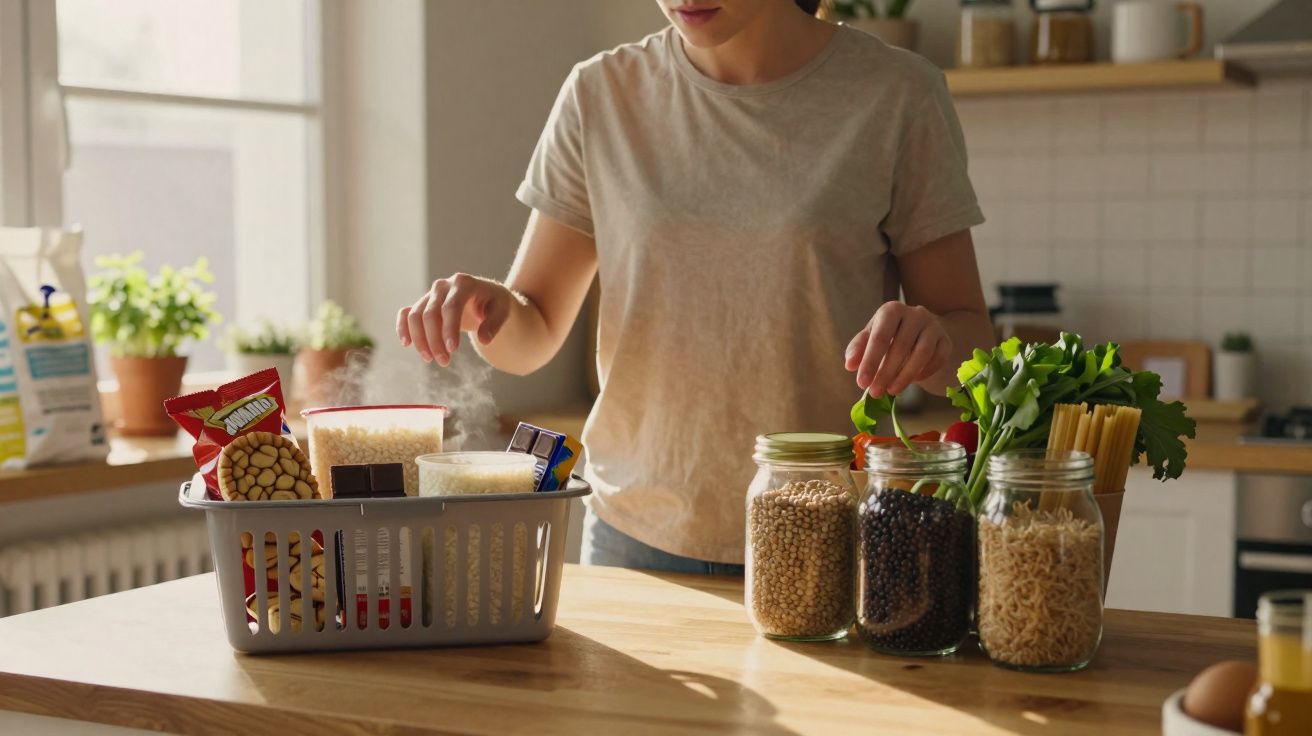
- When shopping, aim for at least half your basket to be unprocessed foods: fruit, vegetables, eggs, plain yoghurt, oats.
- Gradually swap fizzy drinks and energy drinks for water, diluted fruit juice drinks, or unsweetened tea.
- Cut down on ready meals and cook in advance once or twice a week (meal prep) - for example, stews or tray-baked vegetables.
- Check packaging with a critical eye: prioritise short ingredient lists with familiar terms.
- Rethink snacking: choose nuts, fruit or plain yoghurt instead of crisps and sweets.
If you are already in a trying-to-conceive phase, it can also help to keep a food diary for a few days. Often, it is only on paper that the “quick little extras” become obvious - the products that slip into daily life without much thought.
Why these findings matter
This analysis stands out because it brings a long-neglected question into focus: what does the typical supermarket diet do to women’s fertility - beyond body weight and calorie intake?
Most people associate ultra-processed foods primarily with obesity, diabetes or cardiovascular disease. These data suggest that hormonal health and the chance of having a baby may also be affected when frozen pizza, crisps and fizzy drinks become routine.
"The way our food is processed - and the hidden substances it can contain - could be an underestimated lever for people trying to conceive."
What couples trying for a baby can take from the study
For couples hoping to conceive, the study does not offer a simple black-and-white rulebook, but it does point in a clear direction. No one needs to cook perfectly or memorise every additive. What matters is an honest look at everyday eating patterns.
If day-to-day life is dominated by ready meals, takeaway deliveries and bagged snacks, there is an obvious place to start. Replacing even some of those meals with straightforward home-cooked food can reduce intake of additives and potentially hormone-active chemicals - while bringing in nutrients that may be protective.
The potential benefits are not limited to the chances of pregnancy. Sleep, energy levels, skin appearance and metabolism often change noticeably when ultra-processed products take up less space over time and minimally processed foods become the default.





Comments
No comments yet. Be the first to comment!
Leave a Comment