
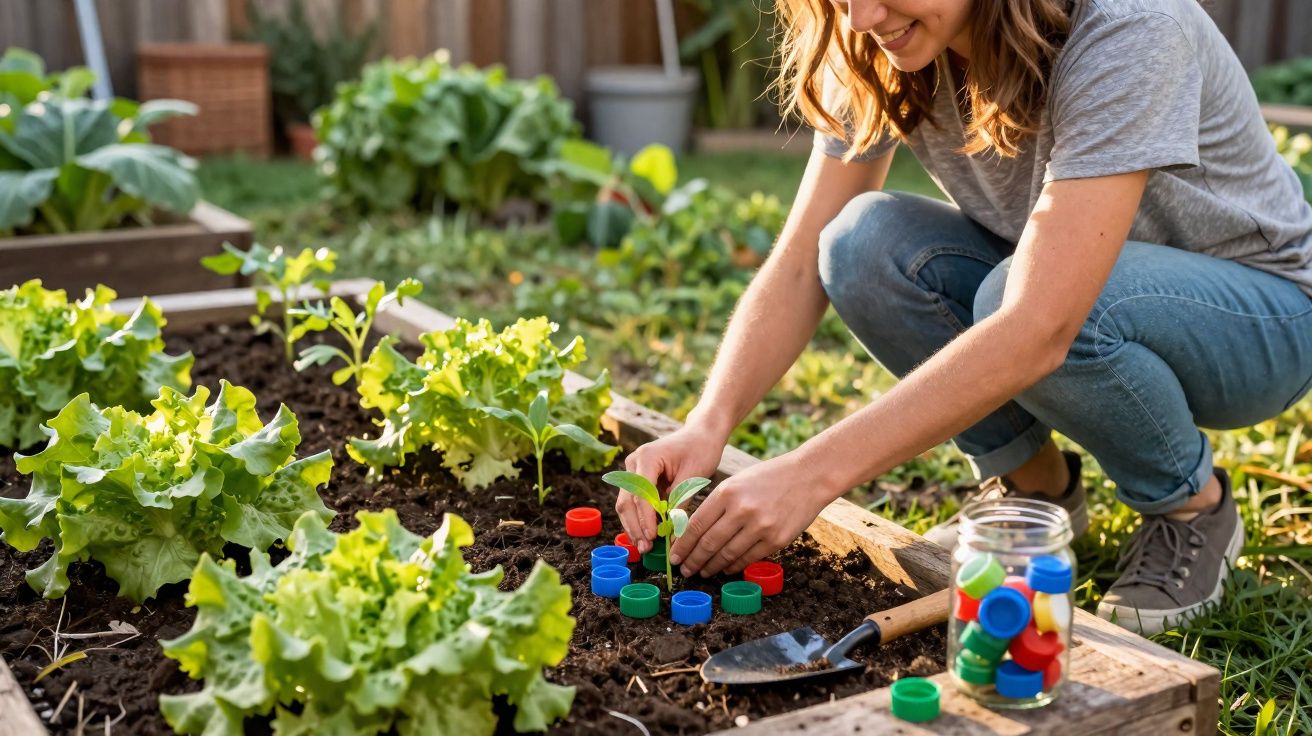
A seemingly insignificant kitchen leftover can make the difference in summer between parched beds and thriving, well-watered crops.
As the gardening season gets going, the first tomatoes, peppers and courgettes move into the soil - and so does the worry: will everything get enough water when the heat arrives, or when you miss a few days of watering? Anyone picturing pricey irrigation kits from a DIY store is overlooking a surprisingly simple answer - one that’s literally hiding in your recycling.
Why small plastic bottle caps suddenly matter in the vegetable garden
In day-to-day life, plenty of people finish a drink, twist off the cap without thinking, rinse the bottle and toss both into the recycling. In the process, a remarkably handy mini tool ends up being thrown away - one that’s ideal for the vegetable garden.
Plastic bottle caps are:
- tough and weather-resistant
- small, yet sturdy enough to withstand pressure in the soil
- easy to work with, for example using a needle or nail
- free, because you already have them
"If you collect bottle caps instead of throwing them away, you already have the heart of a simple irrigation system at home."
Pair a cap with an empty bottle and you can create a kind of mini drip irrigation that delivers water straight to the roots - no hoses, no electrics and no expensive specialist kit.
The method: an inverted bottle as a quiet watering helper
What you need - items most households already have
To build this DIY watering system, you only need a few things:
- empty bottles, ideally 1.5 litres
- matching caps
- a sturdy needle, a thin nail or a pointed awl
- a sharp craft knife or kitchen knife
That’s it: no special tools, no power, and no tangle of hoses running across the bed.
Turning a plastic cap into a precise dripper
The cap is the clever bit, because it controls how quickly water seeps from the bottle into the soil. For it to work properly, you need a tiny hole in the centre - not too large and not too small.
Step by step:
- Warm a needle or nail briefly over a candle or lighter.
- Push the tip through the centre of the cap, taking care not to tear the plastic.
- Test the hole: fill the bottle with water, screw the cap on, turn it upside down and check over a sink how fast it drips.
A good target is one drop every two to three seconds. If the water runs out in a stream, the hole is too big. If almost nothing comes through, carefully pierce it a second time or widen the hole just a touch.
So you can top the bottle up easily later, cut the base off cleanly with the knife. This leaves a wide opening at the top - essentially a built-in funnel.
"The combination of a small hole in the cap and a cut-off bottle base turns waste into a reliable water-storage station right in the bed."
Installing it in the bed: place it well and protect the roots
Getting the bottle neck into the soil without harming plants
The best time to install the system is when you’re planting out young plants in spring, because you can plan around it from day one.
Method:
- Dig a hole about 10–15 cm from the plant.
- Make sure you don’t spear straight through the root ball.
- Stand the filled or empty bottle in the hole with the cap pointing downwards.
- Firm the soil well around the sides so the bottle sits securely.
The bottle neck needs to be deep enough that the hole in the cap is completely surrounded by soil. Only the cut-off base should remain visible above ground - and that’s exactly where you’ll pour water in later.
How often to top up: keeping the soil cool and evenly moist
How frequently you’ll need to add water depends on temperature and soil type. As a rough guide:
| Weather situation | Top-up frequency |
|---|---|
| Early spring, cooler days | about once a week |
| Warm spring weeks | every four to five days |
| High summer, very hot | every two to three days |
The soil draws water via capillary action precisely where the roots are growing. Instead of briefly wetting the surface with a watering can, moisture reaches deeper down. That means less evaporation and less stress on plants as temperatures climb.
Reused bottle caps as a secret weapon against slugs and hazards in the bed
Plastic caps as mini traps for slimy leaf thieves
Those small round discs can do more than measure out water. With just a few quick steps, they can also serve as slug traps among rows of lettuce and brassicas.
How to do it:
- Place several caps close together around vulnerable plants.
- Press a small hollow into the soil so they sit stable.
- Pour a sip of beer or sweet syrup into each cap.
The combination of smell and sugar is irresistible to many slug species. They head for the caps instead of your young leaves. If you don’t like that approach, you can coat the caps with a film of salty water instead - either way, the key is to check them regularly and empty them.
Making sharp canes safer: caps as protective covers
In crowded beds, there are often lots of canes made from bamboo, wood or metal. When weeding or bending down, they can pose a genuine risk of injury to eyes and face.
A simple fix is to push a bottle cap onto each pointed plant cane. Sometimes a small hole in the cap is enough so it slides over the tip.
"A brightly coloured cap on the tip makes every plant cane visible and takes the danger out of sharp points in the vegetable bed."
This is especially useful if children play in the garden or if you work in narrow rows.
More yield, fewer fungal diseases - what targeted watering changes
Stronger growth when water goes straight to the roots with bottle caps
If you use the bottle-and-cap combination consistently, the differences become noticeable quickly: plants grow more evenly, wilt less often and bounce back faster after hot days. With a steady trickle in small amounts, big swings in moisture are reduced.
There’s another advantage: because you’re hardly watering over the leaves, foliage usually stays dry. That lowers the risk of fungal diseases such as powdery mildew or late blight, which thrive when leaves remain wet for long periods.
Even the dreaded splitting of tomatoes after an extremely dry spell followed by a very wet day happens less often. With a steadier water supply, the skin has to cope with fewer sudden changes in pressure.
A zero-waste approach towards fuller harvest baskets
Instead of sending used bottles straight into recycling, you turn them into a small watering network in the bed. Water use drops noticeably because each litre is delivered right into the root zone.
Many hobby gardeners report richer harvests when they use this system for thirsty crops, such as:
- tomatoes
- peppers and chillies
- cucumbers and courgettes
- aubergines
- berry bushes in containers
It fits perfectly with the idea of a frugal urban or rural garden: nothing is thrown away thoughtlessly, but kept in circulation for as long as it has a use.
Practical tips, limits and smart combinations in the bed
If your soil is very sandy, it’s worth slowing the drip rate slightly, because water sinks away more quickly. In heavy clay soils, the hole in the cap can be a fraction larger so it doesn’t clog. It’s sensible to trial the bottles for a few days in spring before peak summer arrives.
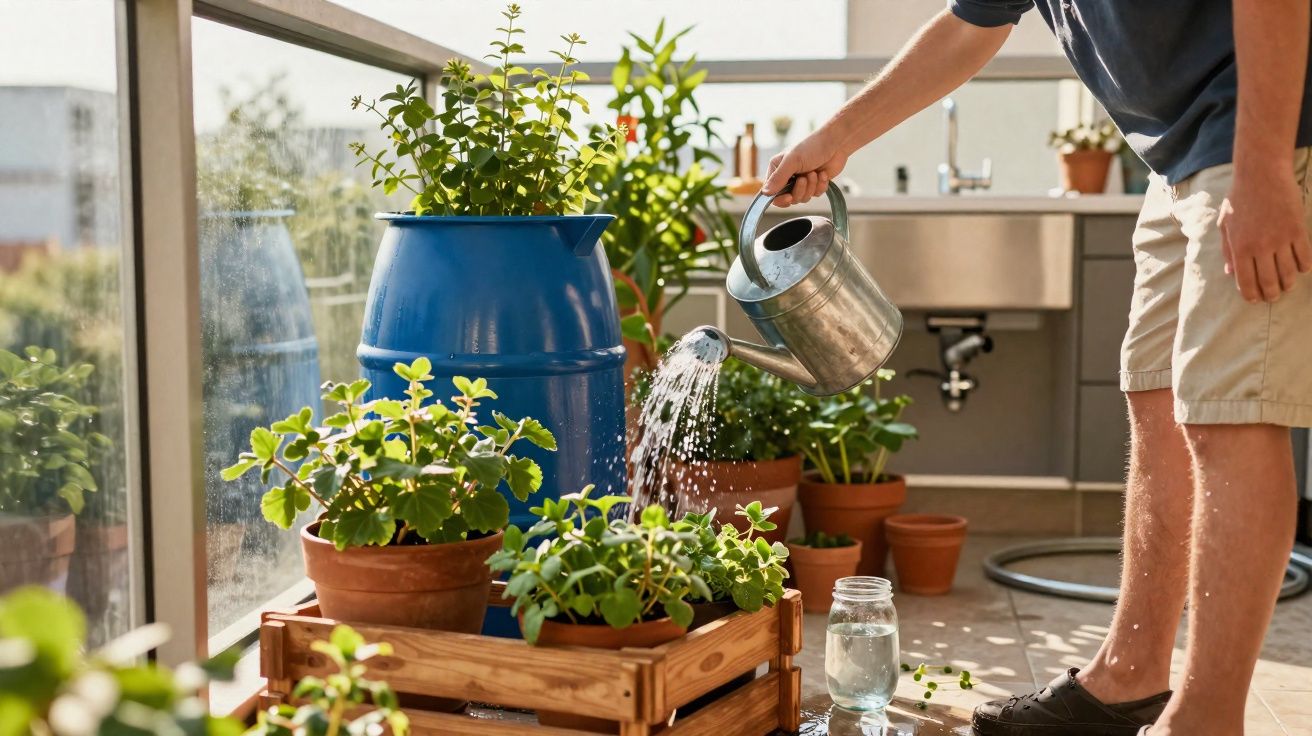
On rainy days, you can simply leave the bottles empty. They can stay in the ground, won’t get in the way, and are ready for the next heatwave. Anyone looking after lots of containers on a balcony or terrace also benefits greatly - compost dries out especially fast there, and the small reservoirs take up hardly any space.
This method also works very well alongside a thin mulch layer made from grass clippings or chopped plant material. Mulch slows evaporation from above, while the bottle-cap dripper supplies moisture from within. The result is soil that stays loose and moist for longer, without you needing to go out with the watering can every day.
If you enjoy tinkering, you can experiment with different bottle sizes, multiple holes in the cap, or varying distances from the plant. Every plot behaves slightly differently. That’s part of the appeal: a mundane everyday item becomes, step by step, a tailored watering system that can be adjusted precisely to suit your own beds.
Comments
No comments yet. Be the first to comment!
Leave a Comment