
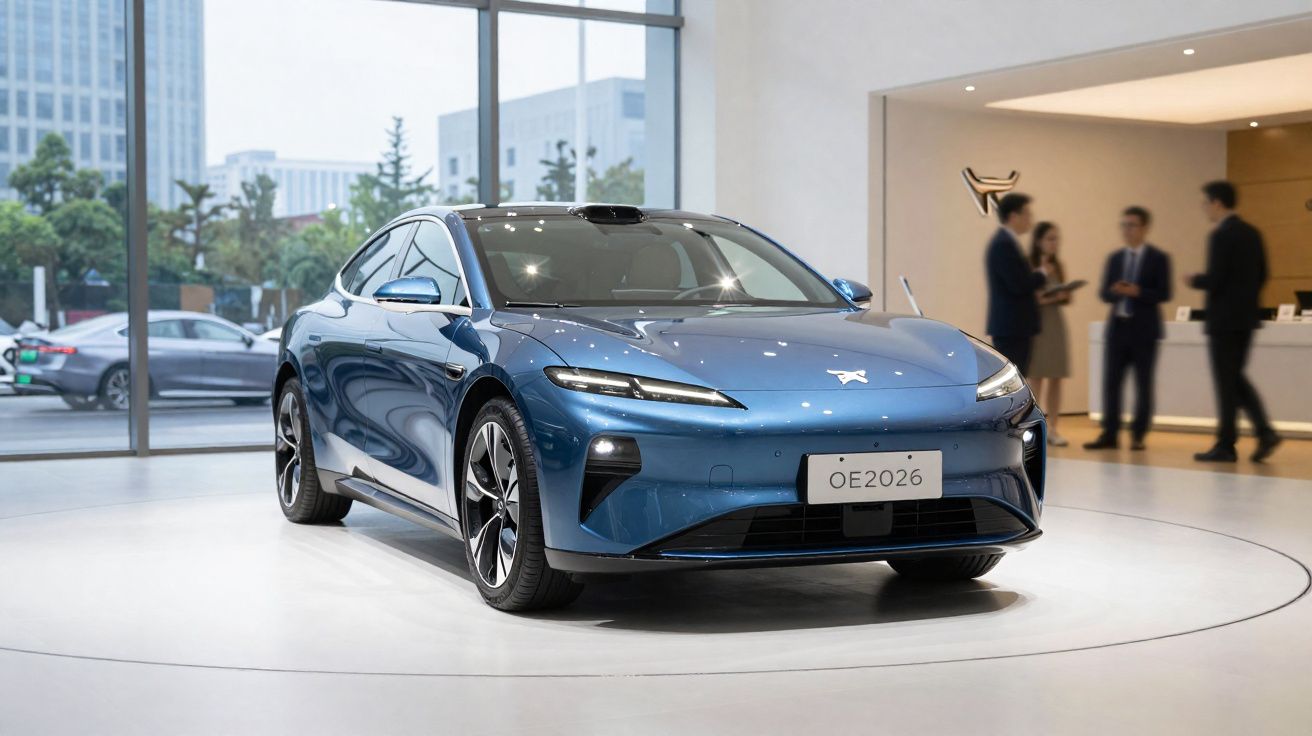
As the end of the year approaches, the Portuguese State Budget for 2026 (OE2026) is already prompting discussion across multiple sectors, and the automotive industry is no exception. According to a Lusa statement published by ECO, several representative bodies-ACAP, ANECRA, ARAN and AFIA-have submitted proposals focused on tax changes and incentives to renew the vehicle fleet.
A point of agreement across all the associations is the creation of a vehicle scrappage scheme. In an initial phase, it would primarily support electric or electrified vehicles, offering incentives of up to €5,000. In a second phase, it would also encourage the scrapping of older internal-combustion cars, with financial support that can likewise reach €5,000 in the case of electric vehicles.
ACAP calls for major tax reform measures
The Automobile Association of Portugal (ACAP) put forward a package of measures it deems vital for the “sustained development of the sector”. Among its key proposals is a review of the 2007 tax reform, along with the gradual transfer of ISV (Vehicle Tax) to IUC (Single Circulation Tax), leading to the complete abolition of ISV by 2030.
ACAP also proposes changing the taxable basis so that emissions carry more weight and engine capacity less. In addition, the association suggests a 10% reduction in autonomous taxation rates.
The association also warned about the impact of the new emissions calculation formula on plug-in hybrids. Under the Utility Factor (UF) method, many of these vehicles may no longer meet the minimum requirements for tax benefits, facing a “significant tax penalty”.
ANECRA argues for a full overhaul of sector taxes
The National Association of Motor Trade and Repair Businesses (ANECRA) is calling for a comprehensive review of taxes affecting the sector, including IUC, ISV, IVA (VAT) and ISP (tax on petroleum products). In the association’s view, “the current tax structure, heavily focused on internal-combustion vehicles, needs to adapt to the new technological and environmental reality”.
ANECRA also cautions that the proposal to pay IUC in two specific months (February and October) could create an additional financial burden for retailers, undermining companies’ cash flow. Another challenge it highlights is the shortage of skilled labour in workshops, made worse by an ageing workforce, difficulties in attracting young people, and constraints around the regularisation of immigrant workers.
ARAN highlights incentives to renew the vehicle fleet under OE2026
The National Automotive Sector Association (ARAN) also put forward tax measures, including increasing IRS (personal income tax) deductions for maintenance expenses, and it proposed creating a professional register for retailers. Like the other associations, ARAN also underlined the importance of establishing a new package of incentives aimed at renewing the vehicle fleet.
AFIA presses for simpler bureaucracy
AFIA (the Association of Manufacturers for the Automotive Industry) wants the budget to prioritise industrial competitiveness and modernisation. The aim is to encourage investment that enables companies to meet environmental requirements and strengthen capitalisation. The association also points to the need to streamline tax and administrative processes, particularly for micro and small businesses.
The various automotive-sector associations also stress that the average age of vehicles circulating in Portugal is 14 years-one of the highest in Europe. They regard renewing the vehicle fleet as essential not only from an environmental perspective, but also for economic reasons and road safety.





Comments
No comments yet. Be the first to comment!
Leave a Comment