
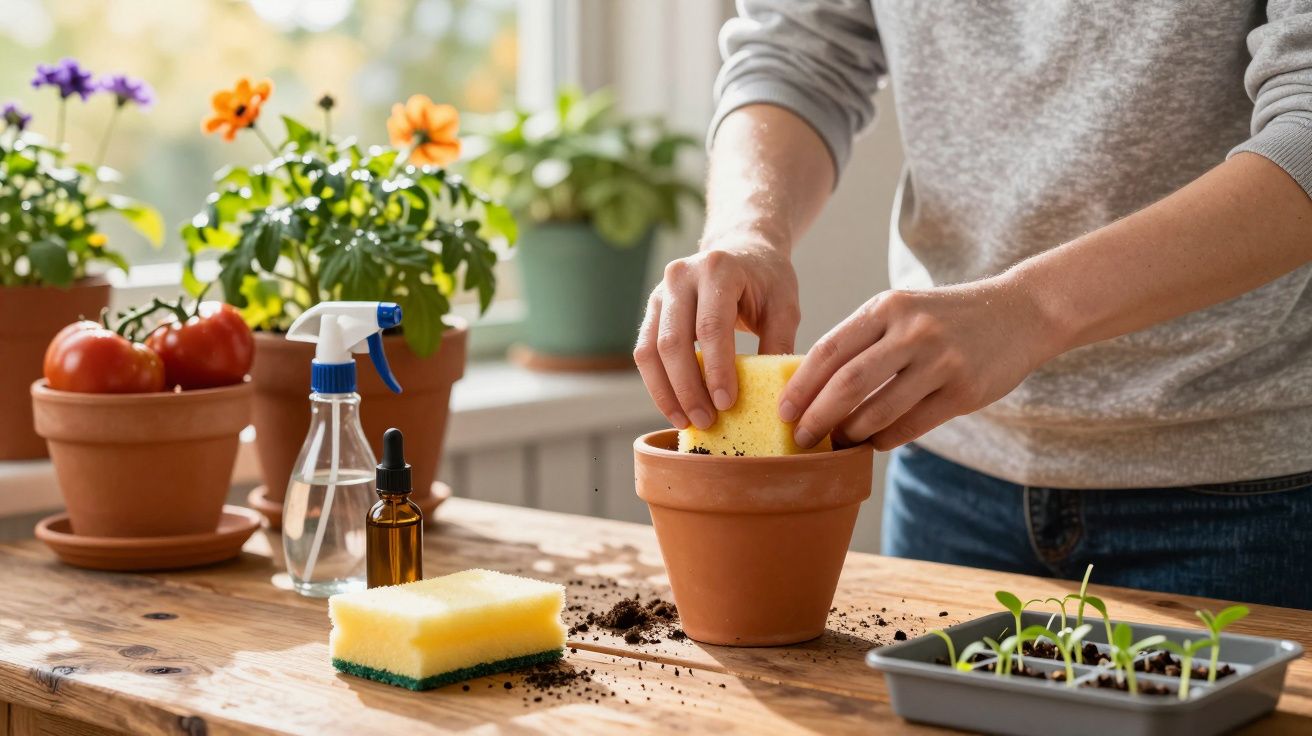
An old washing-up sponge can achieve surprising results in the garden.
Between eggshells, coffee grounds and leftover compost, many households have another small treasure hiding in plain sight: the worn-out dish sponge. What usually looks like everyday rubbish can become a genuinely useful tool for window boxes, the vegetable patch and houseplants - as long as it’s cleaned properly first and used with a bit of know-how.
Why an old sponge suddenly makes sense in the garden
Dish sponges are made from porous material. That simple fact is exactly what makes them valuable for gardeners: they hold on to water, release it gradually and can provide a modest insulating layer. In other words, they can replicate (on a small scale) jobs people often buy pricey add-ons to do.
A retired kitchen sponge can be turned into a mini water reservoir, a germination aid for seeds, or even a natural form of pest deterrent.
Before you try any of these ideas, one step comes first: thorough cleaning. Kitchen sponges can harbour a lot of bacteria. If you want to use one around plants, you should reduce germs first so you don’t transfer anything harmful to delicate roots or seedlings.
Cleaning a sponge: turning kitchen waste into a garden helper
Simply rinsing a used sponge under the tap isn’t enough if you want to reuse it safely. Heat-based or mild acid-based methods are far more reliable for knocking back germs.
Gentle disinfection methods
- Boiling water: Place the sponge in boiling water for a few minutes, then let it cool fully and squeeze it out.
- Microwave: Heat a damp sponge for about 1 minute on a medium setting. Important: only do this if it has no metal components, and keep an eye on it.
- Vinegar soak: Leave the sponge for several minutes in a mix of water and clear household vinegar.
After treatment, the sponge should smell neutral and have no visible food residue. If it’s crumbling, heavily stained or breaking down, bin it instead - in a planter or bed it can cause more issues than it solves.
Mini water reservoir: a sponge as a lifeline during dry spells
The most immediately useful role is as a small water store. On hot, sunny balconies - or for plants that dislike drying out - this can make a noticeable difference.
A hidden water reserve inside a flowerpot
Anyone growing in pots or window boxes knows the frustration: the compost can feel damp at the top while the lower root zone is already drying out. A sponge can help even things out.
- Dampen the sponge well, but don’t leave it dripping.
- Place it either under the compost close to the root ball, or on the base of the pot before you add potting compost.
- Position the soft side facing the compost and the abrasive side facing down.
The sponge absorbs excess watering and then releases it when the compost starts to dry. Many home gardeners do this for geraniums, petunias, herbs on a windowsill, or window boxes that sit in the midday sun.
A practical holiday trick
If you’re away for a weekend and have nobody to water, tuck several damp sponge pieces into your planters or tubs. Lay them near the base of the plants and lightly cover them with compost.
Several moist sponges in a window box can extend the gap between watering by one to two days - often enough for a short trip.
You should still water thoroughly before you go. A sponge won’t replace weeks of care, but it can buy you time and slow the rapid drying that happens during hot days.
Sponges as a germination aid: seeds on a soft bed
This material can also be handy for raising young plants. Professionals often use airy, evenly moist mediums to encourage consistent germination - and small sponge pieces can work in a similar way at home.
How to germinate on sponge pieces
- Cut a cleaned sponge into small cubes or flat strips.
- Moisten well, but keep it damp rather than saturated.
- Press one seed gently into each piece.
- Place the pieces in a shallow tray and cover (for example with a clear lid or cling film).
- Keep the tray bright but out of direct, strong sun.
The sponge provides steady background moisture while still allowing some air at the surface. Once seedlings are a few centimetres tall and showing small roots, you can plant the entire sponge piece into compost with the young plant. Roots typically grow through the material and into the potting mix soon afterwards.
This approach works particularly well for:
- Cress, rocket and other fast germinators
- Tomatoes, peppers and chillies started early indoors
- Lettuce and certain herbs, such as basil
Protection from cold and heat: a sponge as mini insulation
Potted plants can suffer in fluctuating temperatures because their root area has little mass to buffer changes. A sponge can act as an extra insulating layer.
How a sponge helps protect the root zone
If you place a lightly damp sponge on the compost surface with the soft side down and weigh it with a small stone, it forms a simple cushion. At night it helps retain a bit of warmth in the pot, and during the day it shades the surface from harsh sun.
Used this way, it behaves a little like mini mulch:
- Temperature swings around the root ball are reduced.
- The top layer of compost dries out more slowly.
- Sensitive young plants get a steadier start to the season.
This is especially useful for early sowings in spring, or for container plants on balconies exposed to the first cool nights. In heatwave summers, the cover can also help you stretch your watering routine slightly.
Old sponges in the garden as natural pest protection with scent sponges
Sponges aren’t just good at holding water - they also hold scent. Some insects avoid specific aromas that people find pleasant or neutral.
Essential oils to discourage unwanted crawlers
Soak small sponge pieces with strongly scented plant-based oils and place them around vulnerable plants. Many hobby gardeners find these options useful:
- Peppermint oil
- Lemongrass or citronella oil
- Lavender oil (particularly near seating areas)
A few drops are enough to create a light scent barrier. Unlike dried herbs, the sponge pieces tend to stay put rather than blowing away. If children or pets are around, use a very small amount and choose high-quality oils.
Sponge pieces with essential oils can work as a subtle scent barrier in beds, without resorting to chemical sprays.
No garden is ever completely free of nibbling and damage - but natural approaches like this can help reduce the need for harsher treatments.
When sponges can be a problem in the garden
As handy as this trick can be, it has limits. Not every sponge suits every plant, and some materials simply shouldn’t go anywhere near soil.
- Very dirty sponges: If there’s grease or food residue embedded, it’s better to discard them.
- Persistent odours: If the sponge smells musty or chemical, don’t reuse it.
- Very hard (high-limescale) water: In hard-water areas, be a little cautious to avoid mineral build-up in pots.
- Cheap dyed or heavy-duty scouring sponges: Brightly coloured, very abrasive versions may leach dyes and are less suitable directly next to roots.
If you want to play it safe, choose plain, neutral household sponges with as few additives as possible. And because outdoor conditions are tough, check sponges regularly and replace them if they go mouldy or start to break down.
Extra consideration: choose materials with soil in mind
If you like the idea long-term, consider switching to cellulose-based sponges for garden reuse. They’re typically less likely to shed tiny fragments than some synthetic foams. Whichever type you use, keep sponge pieces contained in pots or planters where you can remove them easily, rather than leaving them to degrade unnoticed in open ground.
Practical examples and combination tips for everyday gardening
In day-to-day use, the sponge trick pairs well with other familiar garden habits. For instance, if you already use coffee grounds or crushed eggshells as a soil improver, you can place a sponge piece in the root zone at the same time. That way, moisture and nutrients reach the plant more evenly.
For balcony and urban gardens - where every centimetre of space and every litre of water matters - these small adjustments can make life noticeably easier. Whether it’s a tomato tub, a herb shelf or a mini bed on the windowsill, a well-placed old sponge helps stabilise moisture, protects roots and reduces how often you need to water.
In dry summers or in homes without automatic irrigation, this turns a throwaway item into part of a more sustainable routine. Many people who try it successfully end up setting worn sponges aside intentionally - not for the bin, but for the next planter.




Comments
No comments yet. Be the first to comment!
Leave a Comment