
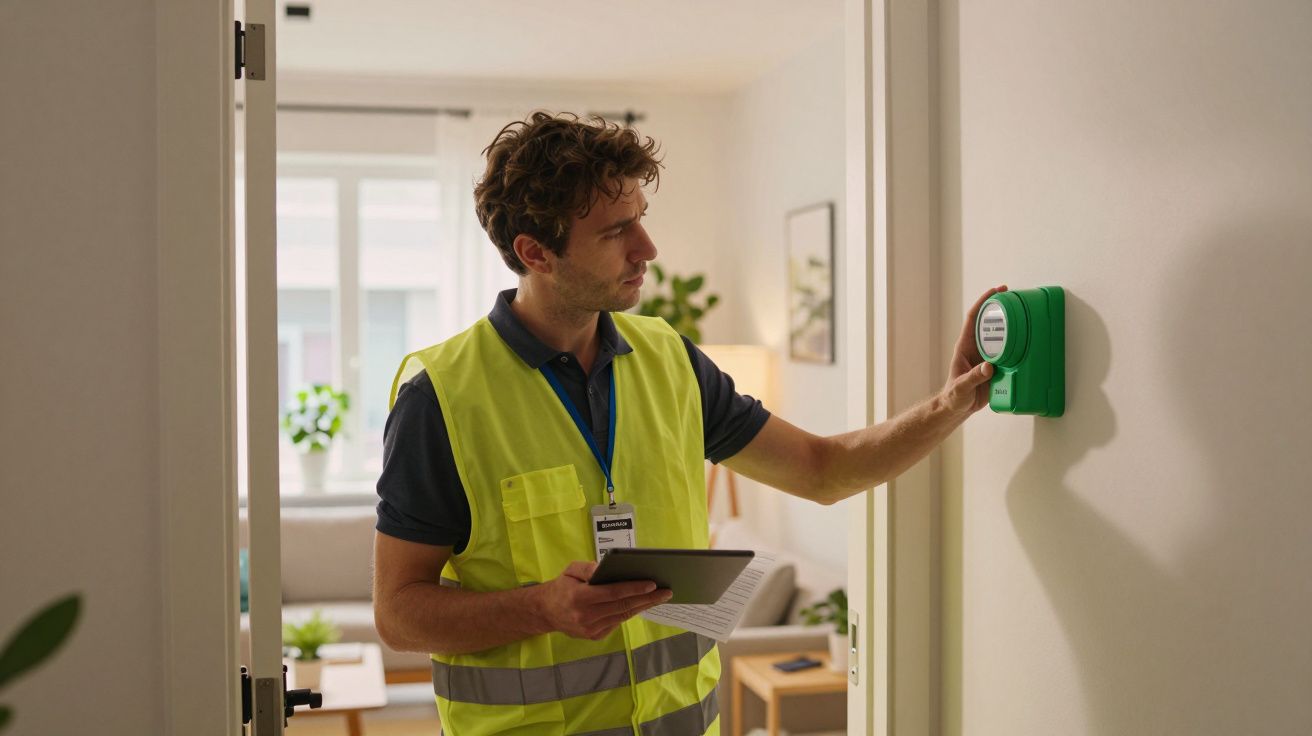
Enedis is preparing to ramp up checks on Linky meters. Nearly 39 million households could soon be visited by inspectors to verify their Linky meter. If access is refused, Enedis says it reserves the right to cut off electricity entirely.
Since the start of 2024, Enedis has stepped up its Linky meter verification programme. The number of on-site interventions rose from 12,000 in 2024 to 30,000 in 2025, with the pace expected to increase again in 2026. To sustain this push, the dedicated workforce has doubled, growing from 250 staff in 2024 to more than 500 a year later. The company’s aim is unmistakable: to identify fraud that has already cost the network over €250 million since 2022.
Enedis and Linky meter checks: stepping up the hunt for fraud
Fraud takes several forms. The most widespread method involves adding a cable that diverts part of the electricity used, effectively “stealing” energy and cutting the bill by as much as 70%. Social media is packed with step-by-step tutorials, tips, and even people advertising services to tamper with meters for a few hundred euros.
In response, Enedis is taking a hard line. Letters sent to those it suspects refer explicitly to a “sequence of events typical of a fraudulent situation” and announce a technician’s visit. The penalty for refusing that visit-or denying access to the meter-is severe: a complete electricity cut-off may take place ten days after the inspector’s attempted visit.
When honest consumers are flagged: complaints raised by UFC-Que Choisir
A major issue is that some customers say they are being accused unfairly, when the situation is linked to ordinary circumstances or an administrative error. The consumer association UFC-Que Choisir has reportedly been contacted many times. According to its president, Jacky Hébert, suspected customers can find themselves in an impossible position: they are effectively expected to prove they have done nothing wrong, even though the inspector should be the one to demonstrate fraud.
One frequently cited example is Sylvain V., aged 64, who was told to pay €1,500 after his electricity use fell sharply between 2021 and 2023. He says the property was empty following his mother’s death in 2020, and that he only moved in during 2023-a straightforward explanation for the change in consumption.
Linky mistrust, privacy fears, and persistent myths
These disputes do little to calm the mistrust some people feel towards the Linky meter. From the outset, the device attracted criticism, with some customers accusing Enedis of wanting access to personal data and intruding on private life. Others voiced strong concerns about the electromagnetic signals they believe the meter emits. Alongside these fears, misinformation has spread quickly too-including the false claim that wrapping a Linky meter in aluminium foil would reduce emissions.
What to do if you receive a visit notice
If you receive a letter announcing a Linky meter inspection, it is sensible to organise your paperwork before the appointment. Keep recent bills, note any life events that could explain changes in consumption (for example, a vacant property, building works, or a change in occupants), and gather any supporting evidence such as tenancy dates or proof of an unoccupied home. Clear, dated information can help resolve misunderstandings quickly.
It is also wise to verify who is turning up at your door. Ask to see official identification, record the date and time of the visit, and keep a written note of what is said and any actions taken at the meter. If you believe you have been wrongly targeted, you can seek advice from consumer bodies such as UFC-Que Choisir and request that Enedis explains precisely what prompted the suspicion-especially where the issue may stem from a data error rather than wrongdoing.





Comments
No comments yet. Be the first to comment!
Leave a Comment