
Does it actually deliver?
Cold morning showers are currently doing the rounds on fitness forums, social media and wellbeing blogs. From biohackers to office workers, plenty of people swear by starting the day without hot water. The claims are big: more energy, fewer colds, a better mood. There is more going on than sheer willpower - but not every statement stands up to what science can reliably support.
How a cold shower jolts the body into action within seconds
Adrenaline boost under the shower - vasoconstriction and a rapid stress response
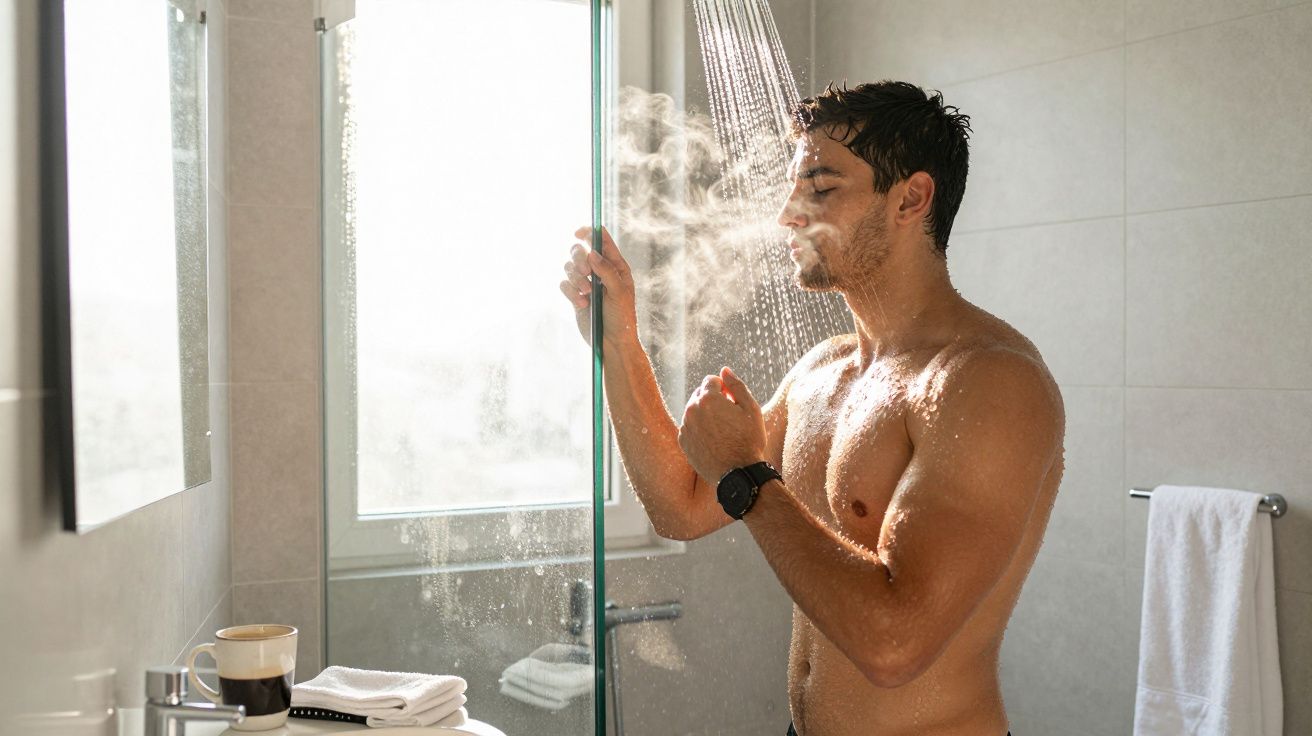
The first hit of cold water is a minor emergency for your body. Temperature receptors in the skin register the drop, and the brain flips into alert mode. Blood vessels in the arms and legs narrow - experts call this vasoconstriction - as the body tries to keep heat in the core and protect vital organs.
At the same time, your pulse rises. The heart pumps faster to keep tissues supplied with oxygen. The adrenal glands release adrenaline and noradrenaline, classic stress hormones that shift you into “go” mode. Many people notice this immediately: a pounding heart, deeper breathing and that unmistakable feeling of, “Right - I’m properly awake now.”
A cold stimulus acts like a natural pick‑me‑up: pulse up, blood pressure briefly higher, and your senses switched on.
One side effect that’s easy to overlook: people who shower cold usually spend far less time under the water. That can save both energy and water. In the morning rush, a quick cold shower may be kinder to the environment - and your energy bill - simply because it’s over sooner.
Clearer head, faster start - a cold shower as competition for the first coffee
It isn’t just your circulation that ramps up; many people feel their mind does too. With blood flow shifting quickly and your nervous system strongly stimulated, that foggy “morning haze” can lift within seconds. Regular cold‑shower users often say they can at least delay their first coffee.
Breathing typically deepens as well. You take in more oxygen and exhale carbon dioxide more quickly. Some find that leaves them feeling mentally sharper, more decisive and better able to focus.
This can be particularly helpful in the transition from winter into spring, when many people feel sluggish. A deliberate cold shock can serve as a starting gun for the day - whether that’s commuting, training plans, or simply an active Saturday of shopping and gardening.
What actually happens in the bloodstream
Why cold water can ease heavy, tired legs
As we get older - or if we spend a lot of time sitting - blood return from the legs back to the heart often becomes less efficient. The result can be heavy legs, swollen ankles or visible vein problems. This is where the mechanical effect of cold exposure can matter.
Switching from a warm bed to cold water works a bit like a small pump. As the cold stimulus hits, muscles contract reflexively. Those contractions help press blood out of the legs and back towards the heart, improving venous return.
A short cold shower can stimulate circulation and noticeably reduce that “legs like concrete” feeling.
People who stand for long periods or barely move during the day may particularly notice this benefit. Of course, a shower is not a substitute for a medical assessment or treatment - but it can be one useful piece of the puzzle for improving day‑to‑day leg comfort.
Cold shower and immune system: hype with a question mark
A bold claim circulates around immunity: shower cold regularly and you’ll catch fewer colds. Some research suggests mild cold stress may stimulate certain immune cells. In a few studies, the number of minor infections (such as common colds) fell slightly.
However, the overall evidence is mixed. Not every study finds the same outcome, and when effects appear, they are often modest. Specialists emphasise that current research does not support the idea of a guaranteed shield against illness.
Cold showers can challenge the body in a way that may improve tolerance to temperature changes over time. But as a standalone “miracle weapon” against flu, infections or other conditions, they do not hold up. They make far more sense as an add‑on to sleep, movement, diet and time outdoors.
Who should be cautious
When a cold shower can become risky
As invigorating as it can feel, not everyone tolerates a cold shock equally well. People with cardiovascular disease, significant high blood pressure, or serious lung conditions may react more strongly to the sudden stimulus.
Pulse rate rises and blood pressure spikes briefly. For a healthy heart this is usually fine; for an already compromised system, it can be risky. If you’re unsure - or you have a diagnosis - speak to your GP before making cold showers a habit.
- If you have heart problems, only shower cold after medical advice
- Never start ice‑cold immediately after very intense exercise
- Do not push through severe shivering or numbness
- Stop straight away if you experience dizziness, breathlessness or chest pain
Duration matters too. You don’t need five minutes of an “ice shower” to get an effect. Often 20 to 60 seconds is enough to stimulate circulation and the nervous system without needlessly overloading the body.
How to start without freezing up
A gradual approach: building a cold shower habit safely
If you’re curious, avoid going straight from hot to freezing. A better method is to lower the temperature step by step - for example, during the last 30 seconds of your normal shower. This gives your body time to adapt.
A simple order can help:
- Cool your feet and lower legs first
- Then thighs and buttocks
- Next arms and shoulders
- Chest and back only at the very end
Slow, steady breathing is also useful. If you gasp and pant against the cold, you can amplify the stress response. Deliberately breathing in and out calmly tells the nervous system, “This is under control.” The shower feels less threatening, and the body settles sooner.
Consistency matters more than toughness: a brief cool shower daily beats forcing yourself into icy water once a week.
New (and often overlooked) tip: plan what happens after the cold water. Dry off promptly, dress warmly and move a little (a short walk around the house or a few gentle squats) so your body warms back up smoothly. The goal is stimulation, not staying chilled.
Psychological effects: more than just cold water
Why it’s a mental game as much as a physical one
One frequently underestimated piece is psychological. Choosing to do something uncomfortable every morning can strengthen self‑discipline. Many people report feeling more determined after a cold shower and approaching the day’s tasks with greater confidence.
That moment when you turn the dial towards cold is a small daily courage test. Over time, repeatedly stepping outside your comfort zone can shift how you see yourself - not as someone who avoids discomfort, but as someone who meets challenges head‑on.
Cold shower, exercise and sleep - how the effects can complement each other
Things get interesting when you combine a cold shower with other habits. If you add a brief bout of morning movement - a few squats, light stretching, or a brisk walk - the circulation effect can feel stronger. Together, exercise and cold exposure can create a clear structure to the start of the day.
For sleep, cold showers tend to suit the morning or early evening. Right before bed, the adrenaline surge may wind you up too much. In the evening, many people therefore prefer lukewarm water to help them unwind.
Practical bonus: a cold morning shower is usually quicker, which can make the whole routine more efficient. For anyone who struggles to get up, a fixed ritual like this can add structure and reduce procrastination.
Another useful consideration: your bathroom environment matters. In colder months, slippery floors and a sudden temperature contrast can make you tense up or lose footing. A non‑slip mat and a stable stance are simple safety upgrades if you’re making cold showers a regular practice.
What’s behind the promises - and what isn’t
Cold showers can provide a real kick for circulation, alertness and subjective wellbeing. The cold stimulus briefly pushes blood vessels, heart and nervous system into a higher gear, and many people feel awake, clear‑headed and ready to perform afterwards.
On the immune system question, the truth sits somewhere in the middle. A mild training effect may be possible, but a guaranteed protective “force field” is wishful thinking. If you want to try the trend, keep your limits in mind, ease into it gradually and take any medical conditions seriously.
So: wellness fad or a secret energy hack? It depends largely on expectations. If you’re hoping for a magical health guarantee, you’ll likely be disappointed. If you want a simple, free ritual that gets body and mind moving in the morning, a cold shower can be a surprisingly effective ally.




Comments
No comments yet. Be the first to comment!
Leave a Comment