
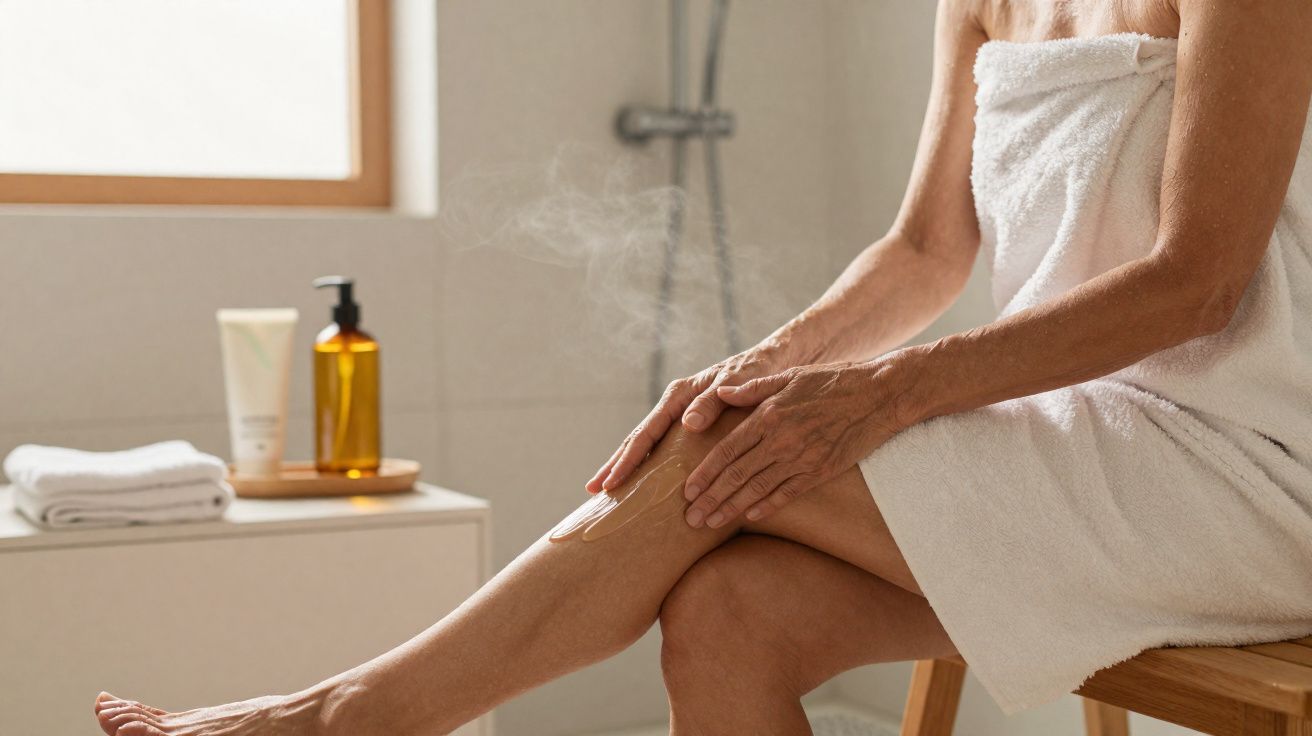
From a steamy daily shower to a gentler routine, many people after 65 find themselves quietly reconsidering how often they wash.
As skin changes with age, the old “one shower a day” rule can stop feeling universal. Dermatologists increasingly focus less on rigid routines and more on what keeps older skin calm, comfortable and healthy in real life.
Why daily showers can backfire after 65
From the mid‑60s onwards, skin typically becomes thinner and loses some of its natural oils and water. The outer barrier is often more delicate, reacts more quickly and can take longer to repair. What felt invigorating at 30-long hot water, plenty of foam, strong fragrance-may start to sting, itch or leave the skin feeling tight at 70.
A daily full-body shower with hot water and foaming gel can strip older skin of the very lipids that protect it.
Dermatologists who see older adults often notice the same pattern: when people reduce how often they shower and adopt gentler habits, dryness, itching and small cracks frequently ease-even without prescription creams.
So how many showers a week after 65?
Most dermatologists suggest a flexible range rather than a single rule. For many people over 65, two to three showers a week can keep you clean while giving the skin barrier time to recover between washes.
That range isn’t a fixed law, and it can shift depending on:
- Season and climate: more washing during hot, humid weather; less when the air is cold and dry.
- Activity level: extra showers after workouts, gardening or long walks.
- Health conditions: eczema, diabetes or kidney disease can make skin noticeably drier.
- Mobility and caregiving needs: assisted washing may work best when it’s shorter and more targeted.
The reason frequency matters is simple: repeated contact with hot water and detergents dissolves the lipids that make up the skin’s natural film. Once those lipids are depleted, water evaporates more quickly, the surface develops micro‑cracks, and irritants and microbes can pass through more easily.
Less water on the whole body does not mean less hygiene. It means cleaning in a way that respects what older skin can actually tolerate.
When a daily shower still makes sense
Some older adults genuinely need-or strongly prefer-a daily rinse, and that can be fine if the routine stays gentle. A daily shower may suit you if:
- You sweat heavily or take certain medicines that increase sweating.
- You live in a tropical or very humid region.
- You do regular sport, rehabilitation sessions or physically demanding work.
In these situations, dermatologists commonly recommend shorter showers, tepid water and minimal product. The goal shifts from “scrubbing clean” to “rinsing sweat off quickly without stripping the skin”.
The daily “targeted wash” that protects older skin
Even if you shower only two to three showers a week, daily hygiene does not stop-it simply changes shape. A brief, targeted wash can do a great deal for comfort and freshness.
Which areas to clean every day
Dermatologists usually prioritise the same zones, where sweat and bacteria build up more quickly:
- Armpits
- Genital and anal area
- Feet and between the toes
- Face and neck
A clean flannel and small basin, or a handheld shower head, can cover these in minutes. If mobility is reduced, carers often use no‑rinse cleansing lotions or specially designed wipes. The principle remains the same: minimal contact time, gentle product and careful drying.
A focused daily wash of key zones usually manages odour and comfort better than endless full-body showers.
Under the shower: three variables that really matter
1. Water temperature
Very hot water can feel soothing on stiff joints, but it dissolves skin lipids far faster. Dermatologists usually advise lukewarm to mildly warm water. A practical guide: if your skin turns bright red, the water is too hot.
2. Shower length
Many specialists aim for 5 to 10 minutes. Long, lingering showers tend to increase water loss from the skin’s surface. A shorter rinse removes sweat and surface dirt without exhausting the barrier.
3. The way you dry and moisturise
Hard towel-rubbing can create tiny tears in already fragile skin. Gently patting dry with a soft towel may feel less “thorough”, but it protects the barrier much better.
Then comes a step dermatologists consider crucial: moisturising. Apply it straight after drying-while the skin is still slightly damp-to help rebuild that protective film. Creams, lotions or balms rich in lipids are often the most supportive.
| Step | Less skin-friendly habit | Dermatologist-friendly swap |
|---|---|---|
| Water | Very hot, long showers | Lukewarm water, 5–10 minutes |
| Cleansing | Strong soap, lots of foam | Gentle syndet or oil, small amount |
| Drying | Vigorous rubbing with rough towel | Soft towel, light patting |
| Aftercare | No moisturiser | Rich cream or balm on damp skin |
Choosing cleansers that respect older skin
The product you use can change the impact of a shower more than many people expect. After 65, harsh soaps and heavy fragrance can turn an ordinary wash into a trigger for weeks of itching.
What to look for in a body wash
Dermatologists often steer older patients towards syndets (synthetic cleansers made without traditional soap) or washes designed for dry or mature skin. These typically have:
- A pH close to healthy skin (usually slightly acidic)
- No aggressive surfactants, such as strong sulphates
- Added hydrators like glycerin
- Barrier-supporting ingredients such as ceramides or plant oils
In general, shorter ingredient lists cause fewer reactions. Strong perfumes, bright colours and big foam can look appealing but often signal extra irritants. Fragrance‑free or lightly scented products tend to be better tolerated when skin already feels fragile.
Why shower oils work well after 65
Shower oils have become quietly popular among older adults with dry or itchy skin. They contain a high proportion of lipids, often from plant oils such as almond, sunflower or argan. Mixed with water, they form a light emulsion that cleans while being kinder to the barrier.
Shower oils clean and replenish lipids at the same time, which suits skin that already struggles to hold on to moisture.
If creams feel sticky, a shower oil can leave a subtle comfort film that reduces tightness through the day. Some people still moisturise afterwards, while others do well with the oil alone.
What dermatologists prioritise beyond frequency
In consultations with older adults, specialists tend to return to the same three priorities:
- Dial down heat and time under the water.
- Use the mildest effective cleanser.
- Moisturise every time, ideally within a few minutes.
Shower frequency comes after those fundamentals. Two people both showering three times a week can have very different outcomes depending on how they handle these details.
Two extra factors that can make a big difference after 65
Water quality and indoor air can quietly shape how your skin feels. In hard‑water areas, minerals can interact with cleansers and leave residues that feel drying or irritating; using less product, choosing a gentler syndet, or rinsing a little longer can help. Likewise, centrally heated rooms in winter often have very dry air-so skin may cope better with slightly fewer showers, richer moisturising, and keeping the bathroom comfortably warm to avoid turning the water up too hot.
It’s also worth treating persistent changes as information rather than something to scrub away. New widespread itching, a rash that doesn’t settle, or cracks that keep reopening can be linked to eczema, infection, circulation issues or medication side effects. If symptoms don’t improve with gentler washing and moisturising, a GP or dermatologist can check for underlying causes and advise the safest next step.
Practical routine ideas for calmer skin
Dermatologists usually recommend realistic adjustments rather than “perfect” routines that are hard to maintain. Common changes that help many people over 65 include:
- Set a timer so showers don’t drift into very long sessions.
- Keep shower gel out of reach for the first few minutes, so you rinse with water first.
- Leave a pump moisturiser near the towel rail to make post‑shower application easier.
- Switch to cotton underwear and socks to reduce friction on dry areas.
- Ask a GP or dermatologist to check stubborn itchy patches rather than scrubbing more.
When changing your shower routine may protect your health
For older adults, dry, cracked skin is more than a nuisance-it can raise the risk of skin infections, particularly on the legs and feet. Diabetes, circulation problems and swelling can increase that risk further.
By slightly reducing shower frequency, choosing gentler cleansers and moisturising consistently, many people keep their skin intact. That can reduce small wounds that may otherwise progress to cellulitis or ulcers in vulnerable patients.
Going beyond hygiene: turning shower time into care time after 65
For some people over 65, showering is also tied to balance concerns and a fear of falling. Adjusting the routine doesn’t only mean “less washing”. It can also involve practical changes such as grab rails, a non‑slip mat, a shower seat or a handheld shower head to reduce effort and stress.
A calmer set‑up often makes it easier to stay gentle rather than rush. While drying, a quick look at ankles, shins, heels, back and arms can help you spot new rashes, bruises or suspicious moles early. Seen this way, the shower becomes less of a mechanical habit and more of a brief health check-aligned with what older skin genuinely needs.




Comments
No comments yet. Be the first to comment!
Leave a Comment