
The evenings in the garden could be wonderfully relaxed - if only the lawn didn’t turn to straw and clouds of mosquitoes didn’t gather around the patio.
Plenty of gardeners recognise the pattern: you mow, you water, you keep at it - and then, in the height of summer, the grass yellows anyway while mosquitoes carry on undisturbed. That is why an understated but surprisingly smart alternative is appearing in more and more gardens: a fragrant, ground-covering thyme that can replace grass, shrugs off drought, and makes the area around your outdoor seating far less appealing to mosquitoes.
A living carpet instead of grass: what Thymus serpyllum ‘Coccineus’ (red sand thyme) actually is
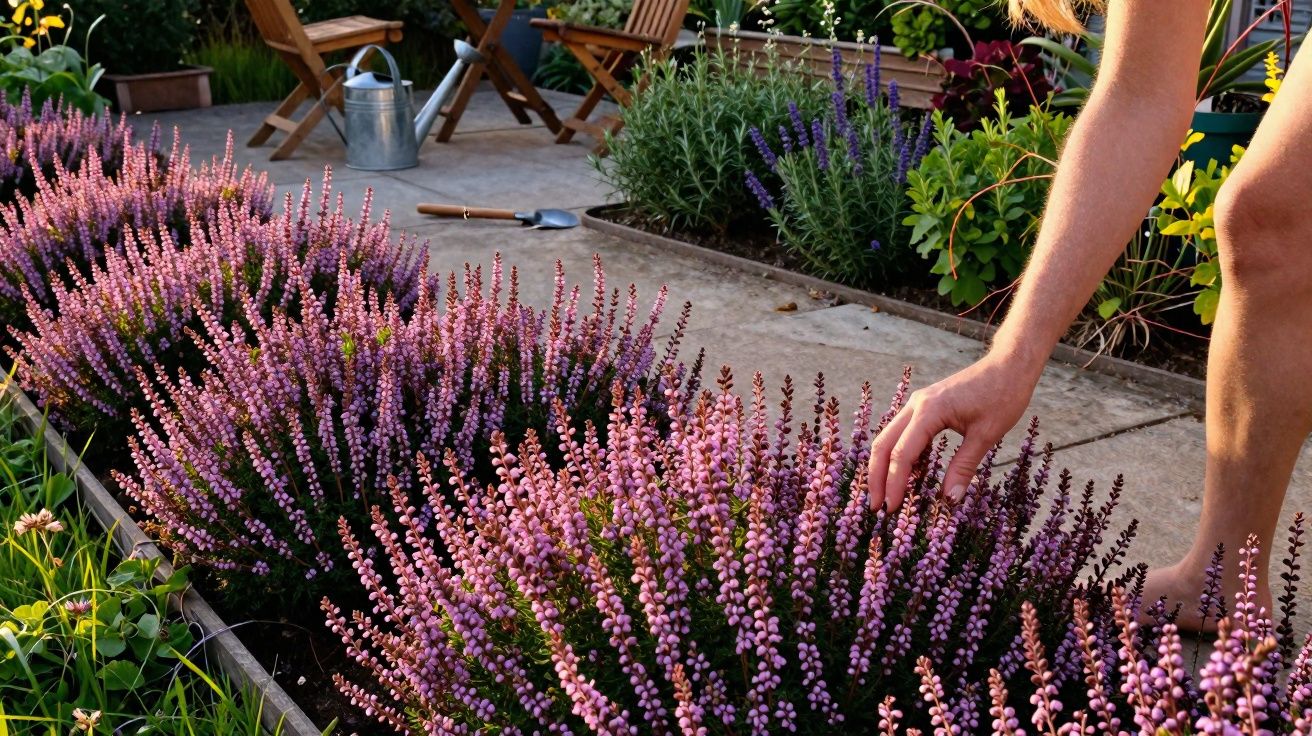
The plant in question is Thymus serpyllum ‘Coccineus’. In garden centres it is most often sold as red sand thyme or red field thyme. It stays exceptionally low - typically around 5–10 cm tall - but each plant can spread to roughly 30–40 cm across, gradually knitting together into a dense, shallow carpet.
In early summer, that carpet turns a vivid purplish pink. The flowers are packed with nectar, so bees and bumblebees quickly find it. Instead of endless mowing, you end up with a lively “pollinator buffet” - and a look that feels more like a Mediterranean herb terrace than a conventional lawn.
Red sand thyme is a tough, walk-tolerant ground cover for sunny spots that can partly or completely replace lawn - with far less maintenance.
This fragrant thyme is evergreen, keeping some foliage even through frost. It is generally considered hardy down to around -25 °C and thrives in nutrient-poor, stony or sandy soils - exactly the places where a standard lawn often struggles or fails outright.
Where red sand thyme outperforms a lawn in real gardens
Red sand thyme shows its strengths wherever heat, dryness and awkward corners make mowing a chore. Common uses include:
- Between patio slabs and stepping stones
- On dry slopes and banks
- Along the edges of paths and seating areas
- In front gardens where you’d rather not be watering often
- As a substitute for ornamental lawn that is rarely used for play
It prefers full sun and free-draining soil. Heavy ground that stays wet is a poor fit. Many gardeners improve the planting area by loosening the soil deeply and mixing in sand or fine gravel. The leaner and drier the site, the happier the thyme tends to be - which is almost the opposite of what grass usually wants.
Less watering, less mowing, less hassle
Once established, fragrant thyme needs remarkably little water. When the surface has filled in, its tight growth helps to suppress most weeds. In many cases, a light trim after flowering is enough to keep the carpet neat and compact. The usual summer headaches - yellow patches, hosepipe restrictions, and the constant drone of mowing - become much less of a feature.
For quicker coverage, it pays to plant a little closer together. A common guideline is 9–12 young plants per square metre, spaced about 30–40 cm apart. Water regularly in the first few weeks to help them root in; after that, watering is typically only needed during prolonged hot spells.
When to plant and how to prepare the area
The best planting window is late winter through spring, once the ground is no longer frozen and has begun to warm. There is usually enough residual moisture at that time to support good establishment.
| Factor | Recommendation |
|---|---|
| Best time to plant | Late winter to spring |
| Position | Full sun, warm, open to air movement |
| Soil | Lean, free-draining, more sandy or stony than rich |
| Maintenance | Low; only a light trim after flowering |
| Hardiness | Down to about -25 °C |
A useful extra step (especially on heavier soils) is to shape the area into a very slight mound or gentle fall, so water never sits on the surface. Thyme copes far better with brief dryness than with persistent wet around the roots.
Why a fragrant thyme carpet can disrupt mosquitoes in the garden
Lawns usually demand regular watering. Where sprinklers are used, damp patches build up - and small puddles, wet plant-pot saucers or hidden pockets of standing water can appear. That mix of moisture, shade and sheltered corners is ideal for mosquitoes, which can lay eggs in surprisingly tiny amounts of water.
A fragrant thyme carpet behaves differently. It is a plant for dry conditions, holds very little surface moisture, and helps keep the area around the patio noticeably drier. On top of that, the tiny leaves contain aromatic oils. When the foliage is brushed - by walking over it or giving it a light trim - a strong herbal scent is released.
Many gardeners notice that when dry, fragrant herb planting surrounds a seating area, mosquitoes are far less keen to linger nearby.
The main mechanism is best thought of as “scent interference”: mosquitoes navigate using odour cues such as carbon dioxide from our breath and certain compounds on skin. Strong herbal aromas can partially mask those signals at close range, making it harder for insects to hone in on people. It is not a guarantee of a mosquito-free evening, but it often improves comfort noticeably.
Herbs as a living scent barrier around the patio
Red sand thyme combines well with other aromatic plants to create a sort of fragrance belt around outdoor seating. Popular choices include:
- Lemon basil - a punchy citrus scent; ideal in pots near the dining table
- Lemongrass or lemon balm - fresh, strong aromas that many insects find confusing
- Peppermint - cool, penetrating fragrance; best kept in a pot as it spreads vigorously
One practical point: keep these herbs in well-drained containers and avoid clustering pots tightly by the back door. A few pots spaced slightly apart let air and light circulate, reducing damp, shaded pockets where mosquitoes like to rest.
A further UK-friendly approach is to pair fragrant planting with simple water discipline: use a watering can rather than constant spraying, and aim water directly at roots in the morning. Less stray moisture around the seating area means fewer mosquito-friendly micro-spots.
Mistakes that undo the mosquito benefit
Even the best fragrant ground cover won’t help much if perfect breeding sites are left nearby. Common everyday traps include:
- Plant-pot saucers that hold water permanently
- Open water butts, uncovered rain barrels, or watering cans with leftovers
- Forgotten buckets, toys, or tarpaulins that sag and collect rainwater
- Dense groups of pots tight against a wall where it stays damp and shaded
Clearing these issues and keeping the patio zone dry and breezy strengthens the impact of the thyme carpet. The combination of low surface moisture and herbal scent makes other corners of the garden more attractive to mosquitoes than the space where you sit.
Where grass should stay - and where thyme is clearly ahead
Fragrant thyme is not a universal replacement for every type of lawn. Areas that take heavy wear - children running daily, ball games, or frequent shifting of heavy furniture - can be too much. The plant tolerates light foot traffic (barefoot walking or occasional crossing), but it does not respond well to constant mechanical stress.
A blended approach tends to work best: keep hard-wearing grass for play and sport, and use thyme carpets in sunny ornamental sections, front gardens, slopes and edging zones. This can dramatically reduce the total area that needs mowing and watering.
In places that face strict watering rules during dry spells, or on plots with very sandy soil, that trade-off is particularly attractive. Every square metre that no longer needs regular sprinkling saves water, time and energy - while also offering more value for pollinators.
Practical tips for a successful fragrant thyme carpet (and better evenings outdoors)
If you want to use fragrant thyme as both a lawn alternative and a mosquito-disrupting planting, these points make a difference:
- Choose sunny to very sunny sites only; partial shade often leads to patchy growth.
- Prevent waterlogging before planting; add drainage or work sand/grit into the soil if needed.
- Water consistently at first, but avoid creating a damp “oasis” around the patio.
- Once established, walk across it occasionally - gentle contact helps release the aromatic oils.
- Skip heavy feeding; thyme prefers lean soil and can become weaker if over-fertilised.
If you enjoy using scent as part of garden design, consider shaping a small barefoot route - for example from the back door to the patio - so each step releases a brief burst of aroma. Combined with mosquito-safer lighting, airy seat cushions and lighter-coloured textiles, you can create an evening space that feels far more welcoming to people than to the insects that buzz and bite.





Comments
No comments yet. Be the first to comment!
Leave a Comment