
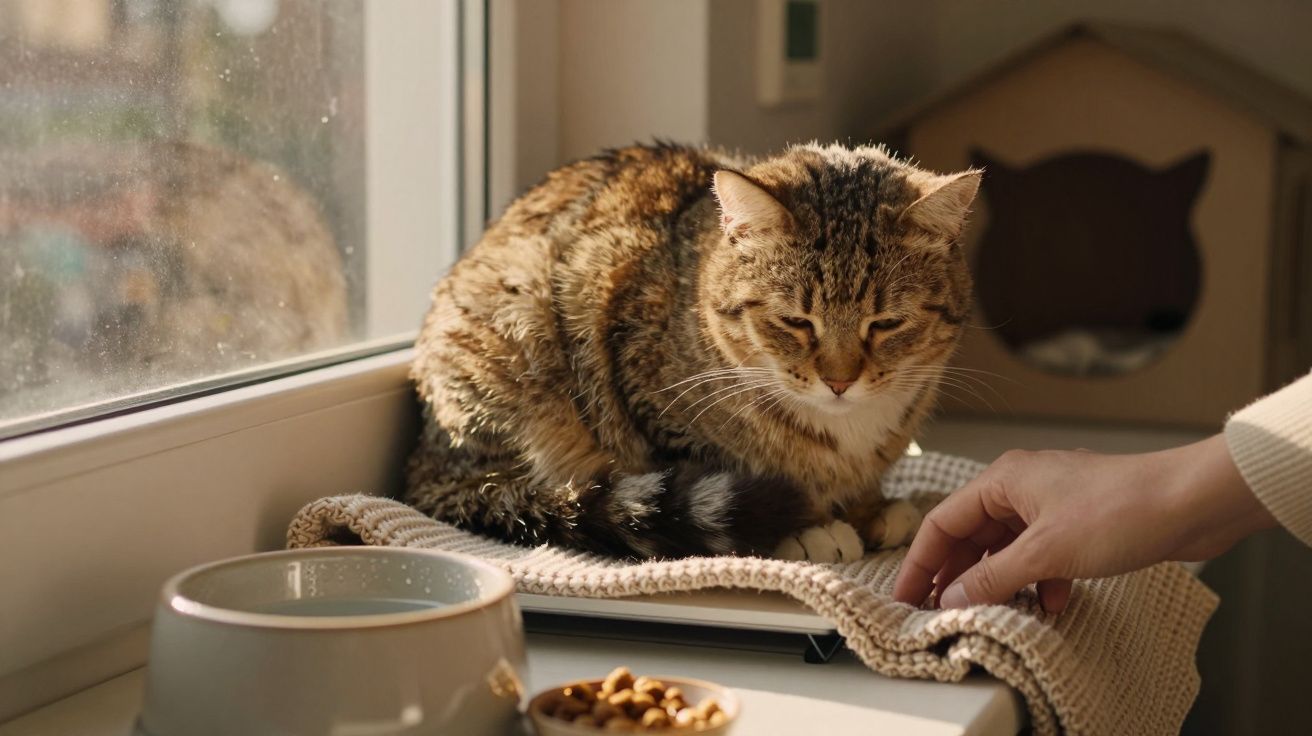
When the weather turns colder, it’s easy to assume your cat’s coat functions as a ready‑made winter jacket. Some cats do stay comfortable for a time. Others-particularly thin, elderly, unwell or very small cats-can lose warmth quickly and without fuss, first in their ears and paws, and later in their behaviour, sleep and appetite.
How cold is too cold for a cat?
Most healthy adult cats manage perfectly well in a properly heated home, but they still have a limit. Once the surrounding temperature drops far enough, their body can shed heat faster than it can generate it, and that’s when problems begin.
| Temperature (°C) | Approx. temperature (°F) | What it means for most cats |
|---|---|---|
| 20–24 | 68–75 | A comfortable range for most indoor cats |
| 10–15 | 50–59 | Feels chilly; sensitive cats may start to struggle |
| 0–7 | 32–45 | With prolonged exposure, the risk of hypothermia increases |
| < 0 | < 32 | High risk of frostbite and hypothermia |
Vets commonly cite a normal feline body temperature of around 38–39°C (about 100.4–102.2°F). A reading below this range is a warning sign.
These cut‑offs aren’t identical for every cat. Age, breed type, body condition and medical issues all shift what “too cold” looks like. A young, sturdy moggy who stays active may cope with a cold corridor far better than a slim senior cat sleeping near a draughty door.
How to tell if your home is too cold for your cat
Many households turn the heating down overnight or while everyone is out. That can be fine for people in thick socks and a jumper, but some cats struggle if they spend hours at the lower edge of their comfort range.
A few straightforward checks can help you judge whether your cat is coping:
- Feel their ears and paw pads: slightly cool can be normal; icy is more concerning.
- Notice sleeping choices: if they keep relocating to chase tiny pockets of warmth, they may not have a genuinely cosy resting area.
- Listen at night: pacing, restlessness or scratching at closed doors can be discomfort rather than simple attention‑seeking.
For a clearer picture, place an inexpensive indoor thermometer near your cat’s usual sleeping spot; a hallway thermostat rarely reflects the temperature at floor level where cats actually rest.
Subtle signs your cat may actually be cold
Cats don’t usually “complain” in an obvious way. Instead, you tend to see small shifts in posture, routine and mood across days or weeks.
Changes in posture and how they rest
A chilly cat will try to conserve heat by shrinking its exposed surface area. Their resting position often becomes noticeably tighter and more guarded.
- “Loaf” posture: paws tucked beneath the chest, tail wrapped close, head slightly hunched to minimise heat loss.
- Tight ball: curled on the side with the nose buried into belly fur or the tail, commonly chosen on bare floors or in draughty corners.
- Less stretching out: cats that normally sprawl may stop lying belly‑up or fully extended, even in places they usually consider safe.
If your cat remains tightly curled in one small location for hours-particularly away from family activity-cold stress could be part of the reason.
Shivering and muscle twitches
Shivering is the body’s built‑in heater: rapid muscle activity produces warmth. In cats, though, the signs can be very subtle.
You may spot:
- Small tremors around the jaw while the cat otherwise looks calm
- A rhythmic shake through the shoulders or flanks when they stand
- Continued trembling even after they’ve come indoors or tucked under a blanket
If the shaking persists after several minutes in a warm, dry room, it suggests more than a passing chill.
Relentless search for heat sources
Cold cats can behave like heat‑seeking missiles, altering where they spend time in the home to stay warm.
Look out for habits such as:
- Leaning right against radiators or hovering over underfloor heating vents
- Parking themselves on laptops, routers, set‑top boxes or other warm electronics
- Claiming sunny patches and refusing to budge when the sunlight moves
- Sleeping on laundry that’s just come out of the tumble dryer
Some cats will even edge dangerously close to open fires or wood‑burning stoves if they’ve been feeling cold for a while, which raises the risk of burns.
Mood changes and unusual lethargy
Cold weather can drain energy. A cat that’s uncomfortable may become quieter, play less and even reduce grooming.
Potential cold‑linked behaviour changes include:
- Little interest in favourite games
- Reluctance to jump on cold surfaces such as kitchen worktops or windowsills
- Irritability when picked up or handled
- Prolonged hiding under beds, in wardrobes or deep inside blankets
A sudden drop in activity during a cold spell can reflect a combination of cooler rooms, stiffer joints and the extra energy needed to stay warm.
Cats most at risk from cold weather
Not every cat faces the same level of winter risk. Coat type, body condition and general health make a big difference.
Breed, age and health factors (cats)
Cats with short coats-or no coat at all-lose heat quickly and can struggle in cool, draughty homes. Breeds with light coverage (such as the Sphynx and Devon Rex) often need additional protection, particularly in older properties where cold air seeps in.
Other groups that are more vulnerable include:
- Kittens: limited temperature regulation and a small body mass
- Senior cats: a slower metabolism and reduced immune resilience
- Underweight cats: minimal fat insulation and faster heat loss
- Cats with heart, kidney or thyroid disease: a less efficient internal “heating” system
- Cats recovering from surgery: clipped fur, reduced mobility and medication effects
Cold, damp conditions can also aggravate joint issues such as arthritis. A cat that only looks slightly stiff in summer may find stairs and jumping much harder in mid‑winter.
Practical ways to keep your cat warm indoors
Keeping a cat comfortable indoors usually comes down to small adjustments in set‑up and routine-no need to turn your home into a sauna.
Create genuine warm zones, not just soft beds
A plush bed won’t help much if it sits on a freezing tile floor or in a constant draught. Think in three directions: beneath, around and above.
- Below: lift beds off the floor using a low stool, a sturdy cardboard box, or an extra folded blanket to reduce contact with cold surfaces.
- Around: choose high‑sided beds or covered “cave” styles to trap body heat and block draughts.
- Above: place beds near (but not touching) safe heat sources, or in a sun‑warmed window area.
Where your cat chooses to sleep is often more informative than what you bought. If they ignore a fancy cushion for the space behind the fridge, that spot likely feels warmer or more secure.
Encourage movement to generate heat
Exercise works like a natural radiator: muscles create warmth and circulation improves with climbing, chasing and jumping.
Short, frequent play sessions can be especially helpful in the evening when rooms cool down. Consider:
- Five‑minute wand‑toy chases before meals
- Puzzle feeders that encourage steady pacing between rooms
- Vertical routes (shelves or a cat tree) positioned away from draughty doors
Movement can also ease joint stiffness-particularly important for older cats who feel temperature drops more sharply.
Heating gadgets: use with care
Heated pet mats, thermal throws and self‑warming beds can be useful, but they need to be used sensibly.
- Opt for low‑voltage products with an automatic shut‑off whenever possible.
- Set them up so the cat can step away easily; never position heat so it traps them in place.
- Monitor senior cats, and any cat with reduced sensation, more closely-some won’t move away promptly if they become overheated.
Food, hydration and indoor air: small winter tweaks that help (new)
In colder months, many cats burn a little more energy keeping warm. Without changing their diet drastically, it can help to monitor body condition and speak to your vet if your cat is losing weight or already slim. Maintaining a healthy weight provides insulation and supports warmth.
Also consider hydration and indoor air quality. Cats may drink less if water feels very cold, so offering a fresh bowl in a warmer spot (or a cat water fountain) can encourage drinking. If your heating dries the air, avoid placing beds right beside strong heat output, and ensure there’s good ventilation without creating persistent draughts at floor level.
Outdoor cats and the hidden risks of winter
Cats that go outside face extra hazards once the air becomes cold, wet and windy. Even confident, streetwise cats can misjudge how quickly conditions can overwhelm them.
Short trips, safe shelters
Reduce outdoor time during frosty mornings and late evenings. If your cat insists on going out, provide at least one dry, sheltered place they can access without you being present.
- Insulated boxes with a small entrance, positioned away from prevailing wind
- Deep bedding made from straw (rather than towels, which can stay damp and become icy)
- A cat flap or cat door so they can return indoors as soon as they start to feel cold
If your cat comes home with cold ears, a stiff tail or icy paw pads, treat it as an early warning and warm them up promptly-before it progresses to hypothermia.
Frostbite and hypothermia: when cold becomes an emergency
Hypothermia develops when a cat’s core temperature drops below normal. Signs can include:
- Intense, persistent shivering-followed by stopping shivering as the condition worsens
- Very slow movement, disorientation or collapse
- Pale or bluish gums, cold extremities and shallow breathing
Frostbite usually affects exposed areas: ear tips, the end of the tail and paws. Skin may start off pale, grey or bluish, then become swollen or blistered, and can turn black as tissue damage progresses.
If you suspect hypothermia or frostbite:
- Bring your cat into a warm, dry room immediately.
- Wrap them in a dry towel or blanket to increase warmth gradually.
- Avoid hot water bottles and hairdryers, which can burn numb, cold‑damaged skin.
- Contact a vet urgently and follow guidance on safe handling and transport.
Extra angles owners rarely think about
Cold weather often makes existing health problems more noticeable. For example, cats with asthma may cough more when they inhale very cold, dry air from open windows. Cats with chronic kidney disease may drink less if water is unappealingly cold, increasing the risk of dehydration. Keeping rooms consistently comfortable and making water easy to access can quietly support these cats day to day.
Grooming and winter debris is another frequently missed detail. Long‑haired cats that go outdoors can bring back snow, sleet or road salt clinging to their coat and between their toes. As it melts, it can chill the skin quickly and irritate paw pads. A brief towel‑dry on arrival and a quick paw check helps remove moisture and grit before it leads to cracked pads or over‑licking sores.
Finally, watch out for winter household hazards. Antifreeze leaks from cars are unfortunately common and highly toxic to cats even in tiny amounts, and rock salt can irritate paws and be swallowed during grooming. If your cat goes outside, rinse or wipe paws after walks in treated areas and store chemicals securely out of reach.






Comments
No comments yet. Be the first to comment!
Leave a Comment