
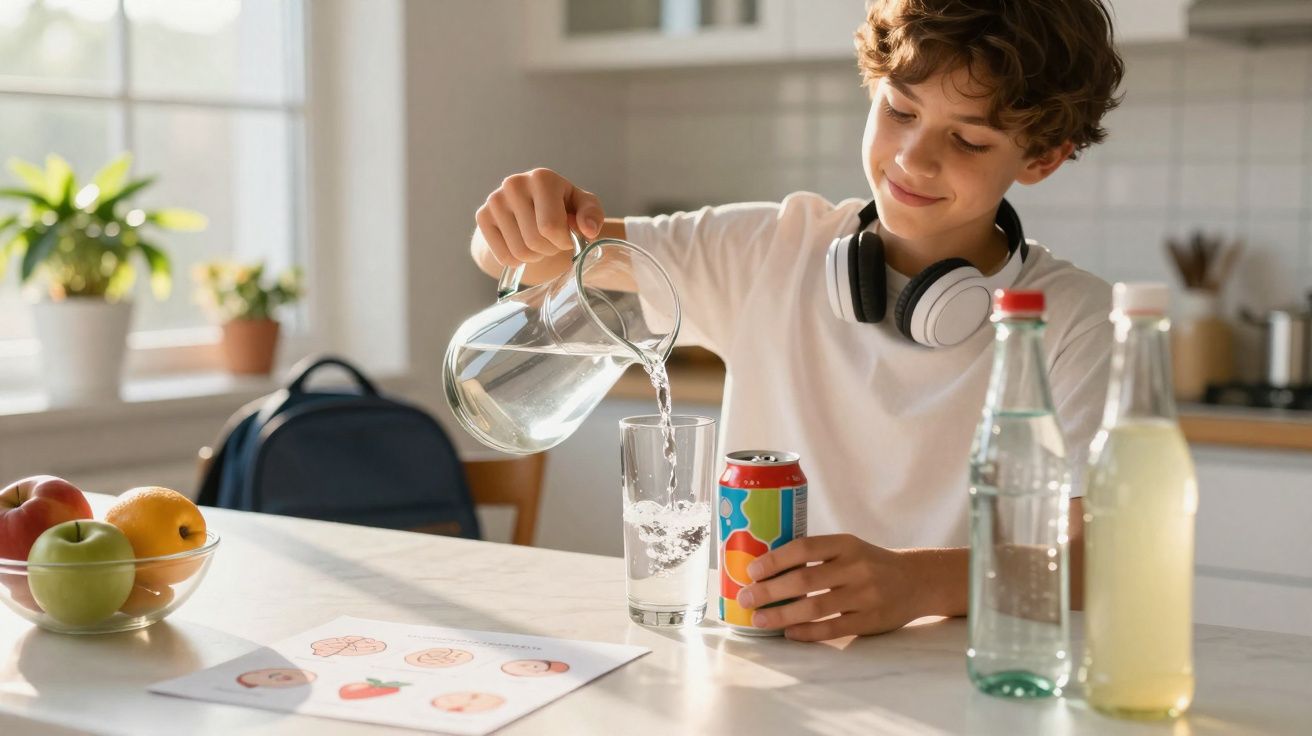
An estimated one in five teenagers lives with anxiety. It can disrupt friendships and family life, undermine achievement at school, and reduce overall quality of life. More concerning still, anxiety disorders that emerge in adolescence often persist into adulthood.
A person’s chances of developing anxiety are shaped by biological, genetic and environmental factors. Increasingly, however, research is also pointing to diet as a potential influence on mental health.
Certain foods and nutrients - including fruit and vegetables and omega-3 fatty acids - have been associated with fewer anxiety symptoms.
By contrast, eating patterns high in free sugars have been linked to poorer mental health among adolescents. Free sugars include those added to food and drink, along with sugars naturally present in honey, syrups, and fruit and vegetable juices.
UK guidelines advise that free sugars should account for no more than 5% of daily calorie intake. Adolescents tend to consume more free sugar than any other age group, sometimes reaching 20% of their total daily energy intake - with a large share coming from sugary drinks.
My colleagues and I have now published new research indicating that sugary drink consumption may be associated with higher anxiety levels in adolescents.
Our review pooled evidence from earlier studies that examined how many sugary drinks teenagers consume and how anxious they report feeling. We synthesised findings from research published between 2000 and 2025. Out of the nine studies included, seven reported a clear relationship between sugary drink intake and anxiety.
Across the studies, participants were aged ten to 19. Researchers typically assessed sugary drink intake using surveys. Drinks classed as sugary included fizzy drinks, colas, sweetened fruit juices, sweetened milk drinks, energy drinks, and sweetened tea or coffee.
Overall, the findings showed a statistically significant positive association: teenagers who consumed high quantities of sugary drinks had 34% higher odds of receiving a diagnosis of an anxiety disorder.
It is crucial to note that the studies we included were observational. That means they can identify patterns and associations, but they cannot prove that sugary drinks cause anxiety. The reverse could also be true - adolescents experiencing anxiety may be more likely to consume sugary drinks.
In addition, variables such as education levels and family income can affect both mental health outcomes and sugary drink consumption.
Another possible contributor is the gut-brain axis - the system of connections linking the brain and the gut - which may help explain a link between sugary drink intake and anxiety. But gut health is shaped by many influences too, including overall diet, stress, and sleep, all of which are themselves associated with anxiety.
Taken together, our study indicates that cutting back on sugary drinks could be one useful way to support adolescent mental health. While many studies have explored how reducing sugary drink intake affects adolescents’ physical health, there is now a need to test whether similar changes can also benefit mental health.
Reducing sugary drink intake for adolescent anxiety
UK dietary guidance recommends that adolescents and adults have no more than 30 grams of sugar per day (around seven teaspoons). Because a single can of fizzy drink can contain about 35 grams of sugar, reducing sugary drinks is a practical way to stay within this daily limit.
There are also straightforward swaps that can help lower sugary drink intake. For example, sparkling or soda water can be flavoured with a slice of lemon, cucumber, berries or mint for taste without added sugar. People can also replace sugary drinks with water, milk, or sugar-free alternatives.
A further approach is choosing low-calorie, artificially sweetened drinks (although these should be consumed in moderation). Energy drinks may adversely affect sleep quality, academic performance and behaviour in adolescents, so it may be sensible to replace them with options containing less caffeine, such as tea or coffee.
As concerns about anxiety in teenagers continue to grow, it is increasingly important to determine whether adjustments to lifestyle factors can lower the risk of poor mental health. While we do not yet fully understand how sugary drinks might affect anxiety, our findings suggest they may be part of the picture.
Chloe Casey, Lecturer in Nutrition and Behaviour, Bournemouth University
This article is republished from The Conversation under a Creative Commons licence. Read the original article.




Comments
No comments yet. Be the first to comment!
Leave a Comment