
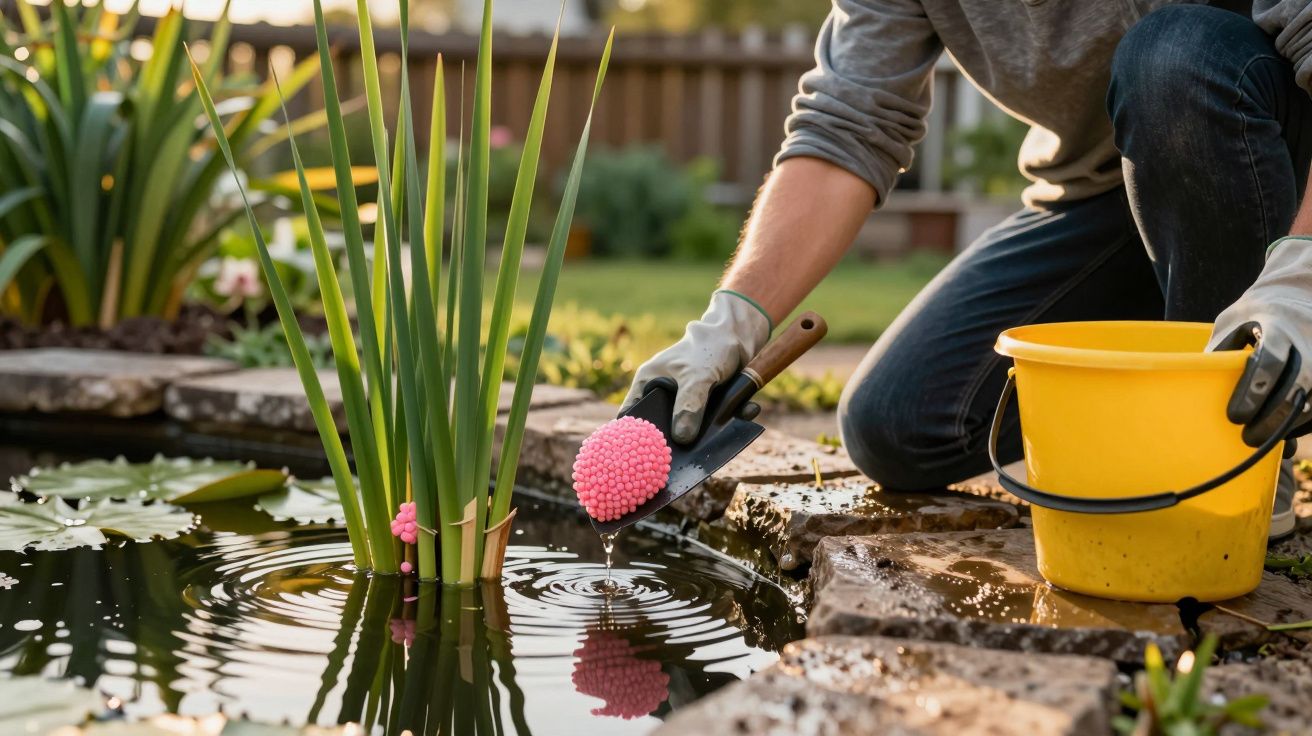
Odd, bright pink eggs are being spotted more and more often by hobby gardeners-stuck to walls, jetties, posts, or just above the edge of garden ponds. What can look like a quirky natural curiosity is, on closer inspection, a serious warning sign. These egg clusters can indicate the golden apple snail (Pomacea canaliculata), an invasive species capable of harming ecosystems, crops and even human health.
What’s really behind the pink eggs
The vivid eggs are laid by the golden apple snail (Pomacea canaliculata). This species originates in South America and has spread to other parts of the world via the aquarium trade. In warm, humid conditions it can expand rapidly-first in ponds, canals and ditches, and then into gardens.
Unlike many native freshwater snails, this species is not confined to life underwater. It can climb easily up walls, posts and plant stems, depositing its conspicuous egg masses above the water. The intense pink colour is not accidental: it functions like a natural high‑visibility warning, discouraging birds and other predators.
If you see bright, bubble‑like pink eggs in a grape‑shaped cluster just above the waterline, there is a strong chance you’re looking at an incoming major snail problem.
A single female golden apple snail can produce thousands of eggs over her lifetime. Where there are few or no natural predators, populations can surge extremely quickly. If an infestation is noticed late, controlling it becomes very difficult.
How to identify dangerous egg masses from the golden apple snail
If you need to act quickly, focus on these key characteristics:
- Colour: very intense, almost neon pink or salmon pink
- Shape: tightly packed bead-like spheres in an elongated, grape-like cluster
- Size: often roughly the size of a bunch of grapes or a small finger
- Location: on firm surfaces just above the water surface or in persistently damp spots, for example:
- walls and garden boundaries
- fence posts and bridge supports
- stems of reed and aquatic plants
- edges of ponds, water features and fountains
If you find a cluster like this, do not handle it with bare hands. A close-up photo and a precise location (what it’s attached to and exactly where) can help the relevant authorities assess the report.
How the snail damages gardens and freshwater habitats
The risk is not limited to a few chewed leaves. Golden apple snails are extremely voracious and eat a wide range of plants, including aquatic vegetation, fresh shoots, vegetables and ornamental perennials.
Garden ponds and wildlife pools can be hit particularly hard. The snails can strip out underwater plants in a short time. Once the greenery is gone, the whole system can tip out of balance:
- oxygen-producing plants disappear
- algae take over
- oxygen levels drop sharply
- fish and amphibians become stressed or die
- cloudy, foul-smelling water can make the pond unusable
Damage is not restricted to the water. The snails can move into beds, skeletonise tender vegetables and young plants, and ruin entire plantings. In agricultural areas, rice fields are especially vulnerable: flooded, irrigated plots provide ideal conditions, and infestations can wipe out harvests.
Health risks for people
Golden apple snails are more than a gardening nuisance: they can carry pathogens. The animals may act as intermediate hosts for various parasites, including organisms that can cause severe inflammation of the membranes around the brain (meningitis) in humans.
Contact with snails, egg masses or contaminated water without adequate protection carries a real infection risk-particularly in places where the species is already established.
Anyone working in affected ponds, wading barefoot, or handling egg masses without gloves increases their risk unnecessarily. This is especially relevant for children, who may be tempted to touch the striking pink clusters.
What to do immediately if you see pink eggs
With suspected invasive egg masses, speed matters. The sooner specialists are involved, the better the chance of stopping further spread. Take these steps:
- Photograph: take several sharp photos from different angles-egg mass, surroundings and any visible snails.
- Record the location: note the address, type of water body (pond, stream, water butt), plus date and time.
- Report it: contact your local council’s environmental team, the Environment Agency, or the GB Non-native Species Secretariat (NNSS) and report the finding.
- Use protection: if you must work nearby, wear gloves and avoid direct skin contact.
- Secure the area: keep children and pets away until professionals have assessed the situation.
- Check nearby spots: inspect other damp corners, walls and aquatic plants-multiple clutches are common.
Whether it is truly a golden apple snail or a harmless species can ultimately require laboratory confirmation. For that reason, professional bodies generally advise against trying to “solve it” by dumping chemicals widely or draining ponds completely.
Long-term protection for your garden and pond
A single discovery should be treated as a warning shot. If you want to reduce future risk, it helps to make practical, structural changes rather than reacting only when you see eggs.
Manage water features to deter golden apple snail outbreaks
- remove silt and dead plant material regularly
- check water levels and margins routinely
- thin dense planting to reduce hiding places
- avoid over-fertilising ponds, which can fuel heavy algal blooms
A well-maintained pond with a balanced mix of plants is less prone to boom-and-bust populations of snails and other nuisance organisms.
Choose robust planting around damp areas
Around ponds, ditches or wet hollows, resilient planting is an advantage. Sturdier species with tougher leaves typically cope better with grazing pressure than very delicate cultivars. At the same time, keep the area easy to view so that changes are spotted quickly.
Never empty aquariums into ponds or streams
Many invasive species reach the wild through the “pet” route-not only snails, but also fish and aquatic plants. If you break down an aquarium, do not tip its contents into a garden pond or the nearest beck. Better options include:
- rehome fish and snails only with responsible keepers
- dry plant waste thoroughly and dispose of it with general waste
- pour aquarium water into the foul sewer (via an indoor drain), not onto the garden or into ponds
Add simple biosecurity to stop accidental spread (extra step that helps)
If you use nets, pumps, buckets or waders between different ponds or water bodies, clean and dry them properly between uses. Tiny snails or residues can hitchhike on damp equipment. Treat anything that has been in suspect water as potentially contaminated until it has been cleaned and fully dried.
Set up an early-warning routine in your own garden
As with other pests, regular checks make early detection far more likely. Even a simple habit can help:
- walk pond edges and damp corners once a week
- look under plant pots, boards and jetties
- inspect new plants carefully before adding them to ponds or beds
Many gardeners develop a trained eye over time-not just for snails, but for other unwelcome visitors such as voles, particular invasive weeds or introduced insect species.
Why pink eggs should never be dismissed
Pink snail eggs can look almost decorative, especially on neatly built ponds or stone-edged basins. That is exactly what makes them so deceptive: it’s easy to underestimate the seriousness or assume it is a harmless quirk of nature.
In reality, they can signal a whole package of risks-stripped beds, collapsing pond ecosystems and potential health hazards. Acting early can prevent expensive restoration work later, protect carefully designed parts of the garden, and avoid drawn-out control campaigns.
The likelihood of these snails establishing increases in warmer, more humid conditions. Often, the first step is simply informed attention: spot it, report it, prevent it. Those luminous eggs are not decoration-they are a clear warning sign, and should be treated as such.



Comments
No comments yet. Be the first to comment!
Leave a Comment