
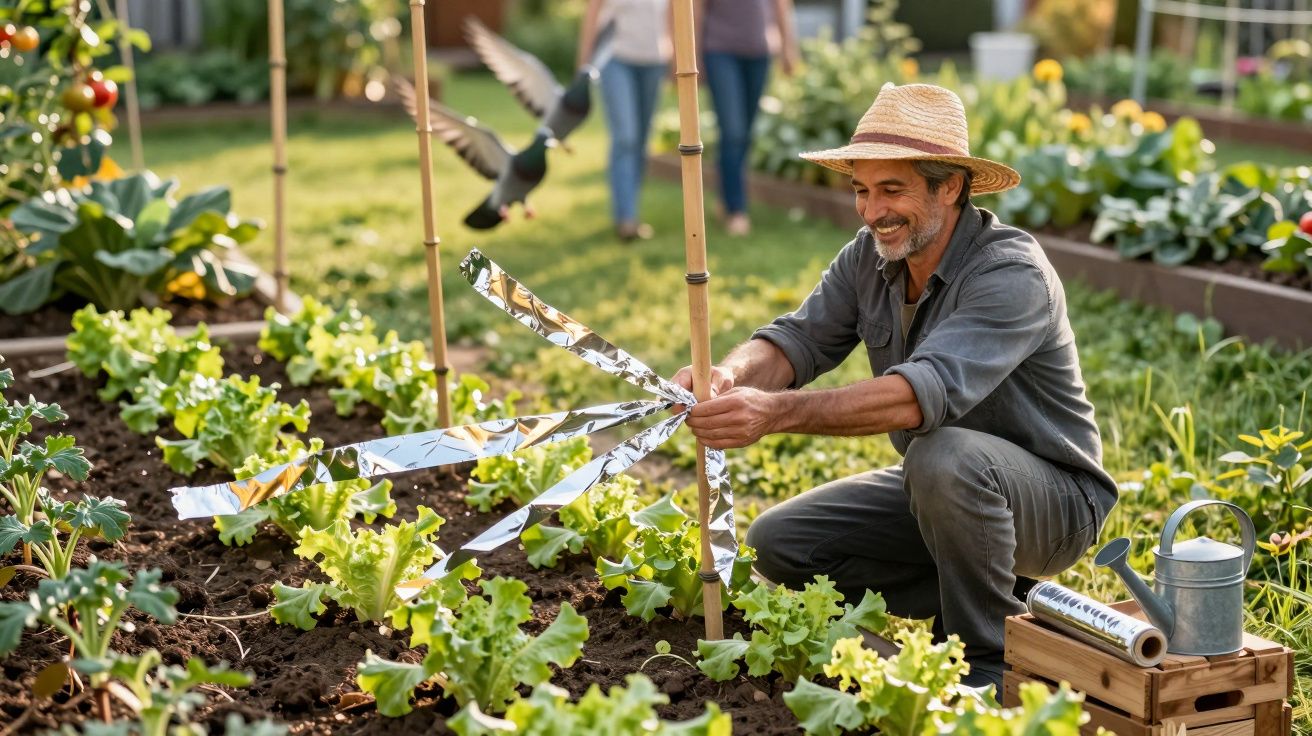
Spring gardening-turning over beds, planting lettuce and tidying the patio-often comes with an unwelcome side effect: pigeons. They drop in to forage on freshly worked soil, land on every convenient ledge and leave pigeon droppings that are not only unpleasant but can also cause damage. A garden expert’s surprisingly simple, humane deterrent is something many households already have: aluminium foil.
Why pigeons suddenly take over the garden in spring
As soon as temperatures begin to rise, pigeons’ energy needs increase. During the breeding season they fly more, burn more fuel and spend a lot of time searching for grains, tender new leaves and reliable water sources. To them, a garden with newly sown patches can look like an all-you-can-eat buffet.
Common places that attract pigeons include: - freshly loosened vegetable beds - lettuce plants and young seedlings - kerbstones, wall ledges and windowsills - balcony and terrace railings - garden benches, pergolas and canopies
Pigeons are creatures of habit. Once they find a spot where they can feed or rest undisturbed, they will return repeatedly-quickly turning a one-off nuisance into a regular problem.
The underestimated damage caused by pigeon droppings
Visible mess is only part of the issue: pecked lettuce, trampled seedlings and fouled decking. Specialists also highlight the chemical impact of pigeon droppings.
Pigeon droppings are highly acidic. Over time they can attack paint, metal and concrete, leaving lasting damage.
On metal parts of outdoor furniture, railings and trellises, rust can develop much faster. Timber surfaces often become stained and progressively harder to clean. On tiles and stone, droppings can leave dull patches and permanent discolouration.
There is also a hygiene concern. Areas repeatedly soiled with droppings can attract other pests. Rats and mice may take advantage of food scraps and sheltered nesting spots, while bacteria and fungi can spread. If children play barefoot in the garden, most people will understandably want to minimise that risk.
Why aluminium foil bothers pigeons (without harming them)
Many traditional approaches-spikes, netting or wire systems-can look harsh, cost a lot or spoil the view. Aluminium foil, by contrast, works through sensory disruption: reflection, movement and sound make pigeons feel unsettled.
Aluminium foil reflections and movement trigger a danger response
If you scrunch aluminium foil into small balls and hang them on a string, the wind makes them wobble and spin. When sunlight hits the foil, it creates sharp flashes and shifting glare. To pigeons, that constant flicker reads like unpredictable movement in their field of vision-an indicator that the area may not be safe.
Irregular flashes of light and twitchy motion make the space feel risky, so pigeons choose a calmer place instead.
The key benefit is that nothing injures the birds; it simply makes the location feel unstable and uninviting.
Aluminium foil can deter pigeons at ground level too
Hanging strips are useful, but pigeons often do their damage where they feed: in the beds. Two practical options are commonly recommended: - lay thin strips of aluminium foil around lettuce plants or strawberries - work narrow bands of foil just under the soil surface
Pigeons tend to dislike the unfamiliar feel under beak and feet. The surface seems overly smooth and slippery, and the crackling noise when they peck can be enough to put them off. Often, a few failed attempts are all it takes before they avoid that patch.
How to place aluminium foil correctly in the garden
For aluminium foil to be effective, placement matters as much as the material. The aim is to make the pigeons’ favourite perches and feeding spots as unattractive as possible.
Best locations for hanging aluminium foil
These areas usually respond well: - Windowsills and wall edges: attach foil balls or strips to short lengths of string - Balcony and terrace railings: cut foil into narrow ribbons and tie them loosely - Fruit trees and shrubs: hang foil balls through branches like a simple light garland - Pergolas or climbing frames: fix shiny strips so they can swing freely in the breeze
The more irregular the movement, the stronger the effect. In windy weather, keep strings short enough to prevent whipping or tangling.
Protecting vegetable beds and young plants
In a productive veg patch, every lettuce matters-especially newly planted starts. A combined approach often works best: - along the bed edge: hang two to three strips per metre - within the bed: place short, narrow foil pieces flat on the soil surface - around delicate young plants: form small foil “collars” around the stem
If you use raised beds, you can secure foil strips directly to the edging-timber boards or metal rims-to create a shiny boundary that pigeons are reluctant to fly over.
How long the aluminium foil trick works-and what gardeners should watch for
Pigeons can adapt to fixed features over time, so the set-up should change occasionally. If you use aluminium foil, shift strips slightly every few days or add/remove a few pieces to keep the scene unpredictable.
Useful routines include: - checking every two to three days where pigeons are appearing again - moving foil strips or balls when activity changes - replacing foil that is heavily crumpled, torn or dirty
If sustainability matters to you, collect used foil at the end of the season and recycle it. That keeps the garden tidy and prevents shiny fragments ending up in soil, hedges or borders.
Combine aluminium foil with other gentle pigeon deterrents
Aluminium foil tends to work best as part of a wider, non-harmful plan. Many gardeners pair it with: - moving items such as basic windmills or fluttering ribbons - natural barriers like fine-mesh vegetable protection netting over high-value beds - reduced food sources, by avoiding open feeding spots nearby - smart planting, using dense ground cover that leaves few open landing areas
The goal is simple: don’t offer pigeons a quiet, sheltered place to settle. The more changeable the light, sound and movement, the more likely they are to move on.
Practical notes: animal welfare, neighbours and safe clean-up
Aluminium foil is among the kinder options for dealing with pigeons because it deters rather than harms. Even so, take care to: - avoid making loops or traps where wildlife could get caught - ensure there are no sharp edges that could cut birds - on balconies, secure everything so nothing can blow down
In built-up areas, it may also be worth a quick word with neighbours. Constant rustling or strong glare can be irritating. Shorter strips, fewer hanging points or limiting foil to problem areas usually solves that.
If you need to remove pigeon droppings, do it safely: lightly dampen the area first to reduce dust, wear gloves, and wash hands afterwards. On patios and decking, prompt cleaning helps prevent staining and reduces the chance of attracting additional pests.
When aluminium foil is especially useful
For many allotment holders and home gardeners, aluminium foil is most valuable at two points in the year: early spring when the first sowings germinate, and fruiting season for strawberries, cherries and other crops. In those weeks, a single flock can do serious damage in a short time.
For anyone who wants to avoid chemical deterrents, aluminium foil is a practical stop-gap: inexpensive, quick to deploy and just as easy to remove. Placed thoughtfully, it restores calm to the garden-protecting crisp lettuce, young seedlings and clean patio stones alike.


Comments
No comments yet. Be the first to comment!
Leave a Comment