
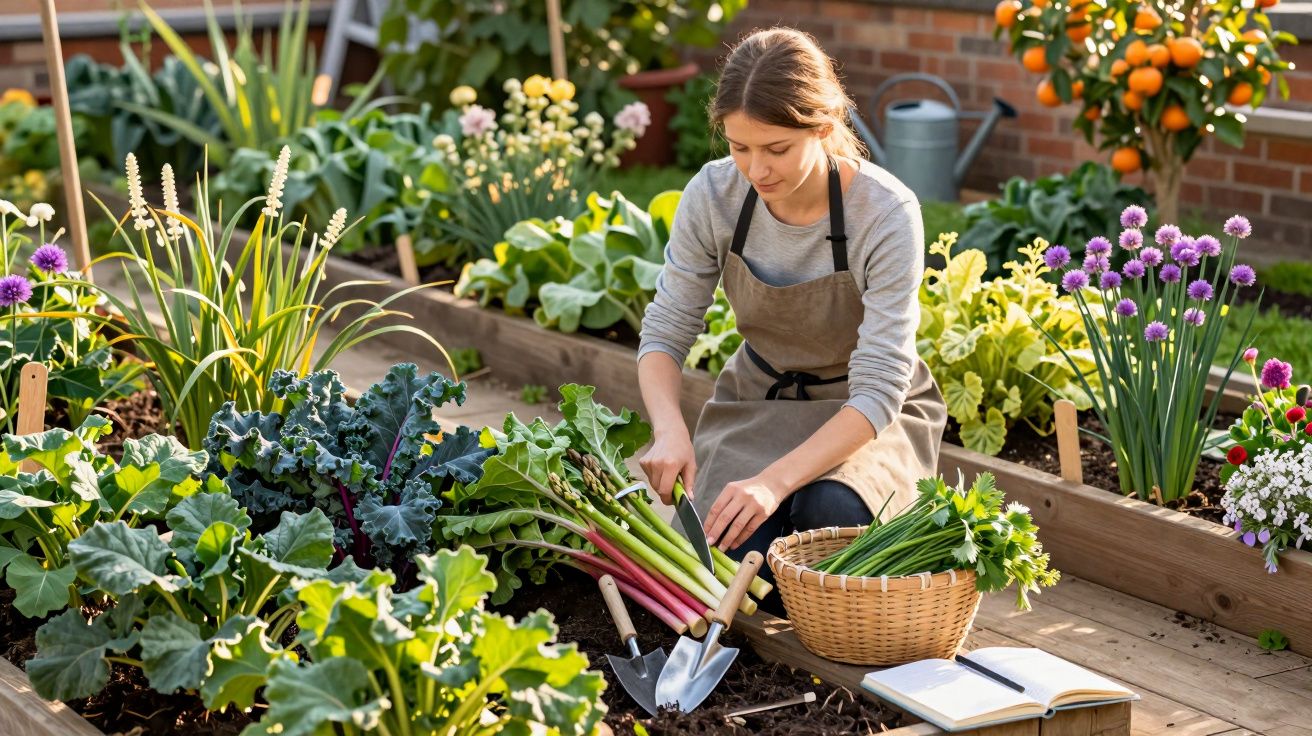
Many garden enthusiasts know the feeling: every spring you sow again, raise seedlings, water, weed - and when harvest time comes, the yield looks thin compared with the effort. Yet there’s a practical alternative to the standard annual veg patch. By choosing specific perennial vegetables, you can cut down on labour, reduce water use and avoid a lot of frustration - while still filling your basket on a regular basis.
What the idea of perennial vegetables is really about
The term perennial vegetables refers to plants that don’t need sowing from scratch every year. They either stay in the same spot for several years, or they reliably return because they self-seed or reshoot from their roots.
Common examples include asparagus, rhubarb, Jerusalem artichoke and perennial types of leek. If they’re planted carefully to begin with, they often remain productive for many years. You invest in thorough soil preparation at the start; afterwards, it’s usually just occasional maintenance.
The basic principle is simple: establish once, then harvest for years - with far less work and watering than with classic annual crops.
Another major benefit is soil protection. Because the ground isn’t constantly dug over, soil life has a chance to thrive - including earthworms and other helpful organisms. Perennial plants also give beds year-round structure, offer shelter and perching points for insects, and can even provide a bit of screening.
Why a perennial vegetable bed is so appealing
If you plan your veg garden with the long term in mind, the advantages stack up. Perennial vegetables fit perfectly with sustainable gardening and approaches such as permaculture or wildlife-friendly gardens.
- Less work: Much of the sowing, pricking out and transplanting is no longer necessary.
- More reliable harvests: Even when a year goes badly due to the weather, many plants return dependably.
- Less watering: Deeper root systems draw moisture from lower soil layers.
- Improved soil structure: Less disturbance means more humus and a looser, crumbly soil.
- Greater biodiversity: Flowers, foliage and roots provide food and habitat for beneficial wildlife.
Many of these plants are surprisingly tough. They cope well with cold, tolerate average soils, and appreciate one thing above all: a thick layer of mulch rather than daily watering rounds.
The quiet stars: long-lived favourites at a glance
Long-haul crops: asparagus, rhubarb and more
Asparagus demands patience, but it pays you back handsomely. You usually shouldn’t harvest properly until the second or third year; after that, a well-made bed can produce for 10 years or more. In top conditions, asparagus plantings can even reach two decades.
Rhubarb follows a similar pattern. Once established in a cool, partially shaded position with plenty of compost, it can supply stalks for cakes, compotes and syrups for well over 10 years. Sorrel, chives and perennial leek forms also push back up reliably every spring.
Leaf crops that renew themselves
If you cook with greens often, perennial leaf plants can be like a living pantry in the bed:
- Perennial leeks provide slim stems and tender leaves over a long period.
- Perennial kale such as Daubenton’s kale forms bushy plants from which you can pick leaves regularly.
- Sorrel offers fresh, tangy leaves for salads and soups.
- Lovage brings a bold seasoning reminiscent of celery and quickly grows into an impressive clump.
These plants are especially useful along bed edges or in mixed plantings. They give the garden structure and can stay in the same place for many years.
Aromatic mainstays for the herb bed
A perennial vegetable bed also benefits from long-lasting culinary herbs:
- Chives - ideal for sandwiches, salads and egg dishes.
- Perennial basil (variety-dependent; some are frost-tender, but in a sheltered spot they can be remarkably resilient).
- Hardy fennel - provides leaves, seeds and decorative flowers.
- Wild garlic (ramsons) - thrives in damp shade and spreads readily.
With herbs like these, you can pick fresh greenery for the kitchen for much of the year. Many also flower strongly, which helps attract insects.
Roots and tubers that keep themselves going
The most intriguing part happens below ground. Some vegetables form tubers or roots where you can leave enough in the soil to maintain the planting:
- Jerusalem artichoke - a tall plant with sunflower-like blooms that produces nutty tubers.
- Crosnes (Chinese artichoke) - lesser-known but tasty tubers with a delicate flavour.
- Horseradish - a powerful root that adds heat to sauces and spreads vigorously.
- Globe artichoke - a premium vegetable, perennial in sheltered sites.
Plants in this group often spread over a wide area. If you don’t want them taking over the whole bed, contain them with root barriers - or grow them directly in large containers.
Planning points for gardeners before planting
Because most plants will stay put for years, it’s worth checking the basics before you put spade to soil.
| Criterion | What to consider |
|---|---|
| Space | Large clump-formers such as lovage or globe artichoke need noticeably more room. |
| Soil | Asparagus prefers light, free-draining soil; rhubarb does better in moist, humus-rich ground. |
| Light | Sun suits most types; shadier areas are better for wild garlic or very early-sprouting plants. |
| Kitchen needs | Choose more leafy crops, herbs or root crops depending on what you actually like to eat. |
If space is tight, focus on compact plants such as chives, sorrel, perennial leeks and smaller herbs. Larger perennials are best placed at the bed edge or given their own dedicated section.
Getting started with a perennial vegetable bed
Setting up doesn’t have to be complicated. A rough sketch on paper helps you map sunny and shady zones, as well as wetter and drier areas in your garden. After that, you can move on to preparing the ground.
Prepare the soil - and protect it for the long term
Instead of digging deeply, it’s often enough to loosen the soil with a garden fork or similar tool. Then work in plenty of well-rotted compost. Finally, cover the bed with a thick layer of mulch made from straw, leaves or grass clippings.
Mulch can replace many watering sessions, suppress weeds and feed soil life at the same time - a key building block for a long-lasting perennial vegetable bed.
Most perennial vegetables prefer a sunny position and well-drained soil. Rhubarb and wild garlic are happier in slightly damp, partially shaded areas.
Keep vigorous spreaders under control
Some species are naturally enthusiastic growers. Jerusalem artichokes, horseradish and crosnes can spread quickly via their roots. If you want to grow them, build in containment from day one - for example, with buried edging, sturdy paving stones as barriers, or large tubs.
That way the system stays manageable, rather than turning into an overgrown thicket that squeezes out other plants.
Two extra considerations that pay off in the UK
Because UK winters can be wet as well as cold, drainage matters as much as frost. For plants that dislike sitting in water (asparagus in particular), choose a slightly raised position or improve structure with compost and gritty organic matter so roots aren’t waterlogged.
Also think about how you’ll harvest without weakening the plant. With perennial leaf crops (for example Daubenton’s kale, sorrel and lovage), taking smaller amounts little and often usually keeps plants productive. For asparagus and rhubarb, sticking to sensible harvesting windows helps crowns build reserves for the next season.
Turning the annual veg garden into a bonus, not a burden
Once the perennial bed is established, it often changes how you view the rest of the garden. Seasonal crops such as tomatoes, peppers and courgettes become “nice extras” rather than the foundation of your food supply.
Even a small, dependable set of perennial plants - for instance perennial leeks, sorrel, chives, wild garlic and rhubarb - can cover a large part of your everyday green cooking. If you enjoy it, you can add more species over time.
Many gardeners find spring becomes far less stressful. Seed lists shrink, the frantic rush around propagators and cold frames eases, and the focus shifts towards steady care, observation and enjoyment.
Practical tips: getting the best from perennial vegetables
A few simple routines help keep the system performing year after year:
- Once a year in autumn or early spring, apply a thin layer of compost to the beds.
- Top up mulch regularly so the soil is never left bare.
- Divide plants that have become too crowded, then replant elsewhere or swap with neighbours.
- In midsummer, water deliberately during prolonged dry spells rather than sprinkling a little every day.
If you’re new to growing vegetables - or short on time - begin with only a handful of reliable plants and expand the system over several years. It stays manageable, and you learn gradually which varieties truly thrive in your own garden.
Combinations with fruit bushes or small trees are also worth exploring. Under berry shrubs you can establish wild garlic, sorrel or low-growing herbs, while sunnier gaps can be filled with asparagus, globe artichokes or perennial leeks. Over time, you end up with a garden that looks good and supplies the kitchen consistently - without starting from scratch every year.





Comments
No comments yet. Be the first to comment!
Leave a Comment