
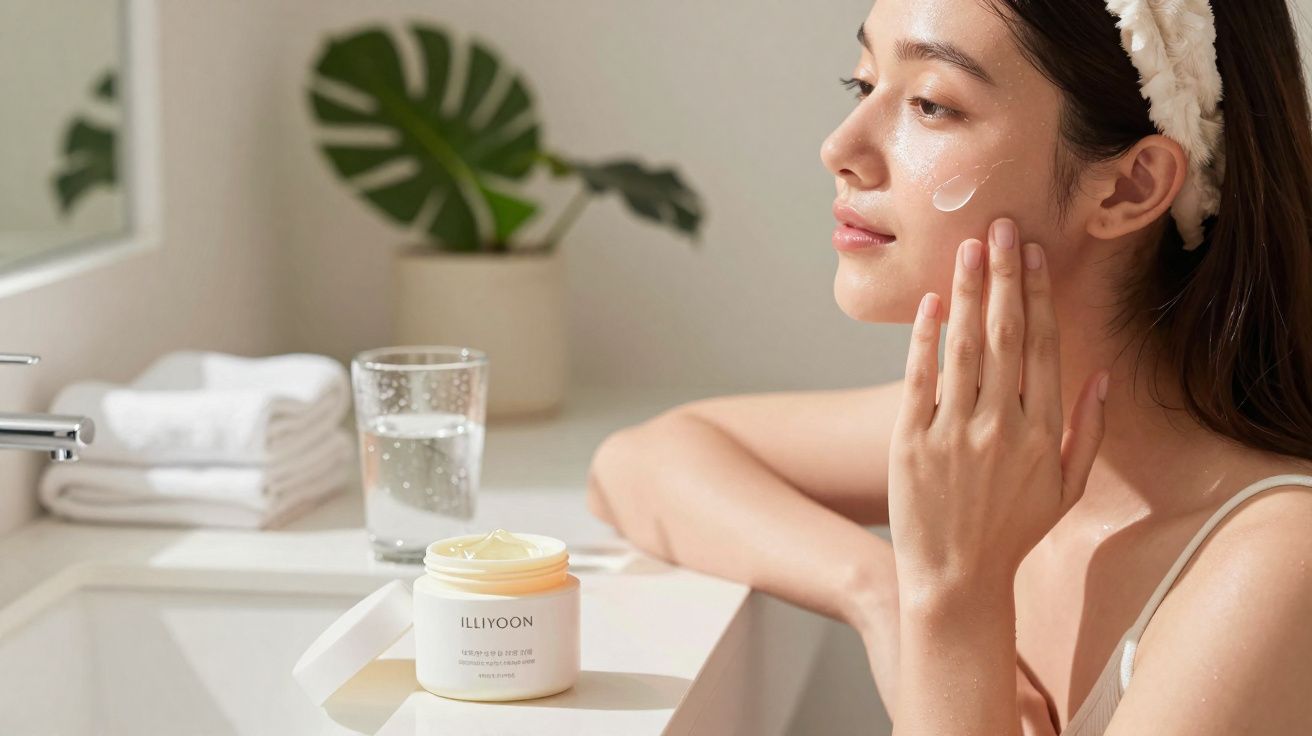
A Korean gel with ceramides is currently being talked about in beauty forums and by dermatologists alike. The promise sounds almost too good: calm a weakened skin barrier, dial down redness, and feel so weightless that even oily or combination skin doesn’t look shiny. So what’s actually behind the hype - and who will genuinely get value from it?
What makes the ILLIYOON Korean ceramide gel stand out
The gel in question comes from the K‑Beauty brand ILLIYOON, part of the Amorepacific group - one of the major players in the Asian skincare market. The brand’s emphasis is on formulas that support the skin’s natural protective function rather than delivering only short‑lived softness.
The formula is built around three key pillars:
- Ceramides to help repair and reinforce the skin barrier
- Amino acids to support moisture binding in the upper layers of the skin
- Soothing plant extracts rooted in Asian tradition, such as ginseng water
On top of that, the gel uses an encapsulation technology for ceramides. Instead of releasing everything at once, the ceramides are delivered gradually. In practical terms, that can mean hydration feels more consistent for longer - without constantly needing to reapply.
Why the skin barrier slips out of balance so quickly
A surprising number of skincare issues start in the same place: the skin barrier. Among other components, it relies on lipids such as ceramides. Think of ceramides as the “mortar” between skin cells: they help keep moisture in and irritants out.
When ceramides are lacking, common knock‑on effects include:
- The skin loses water more easily.
- The surface can become rough, dry, and reactive.
- Redness, tightness, and itching tend to show up faster.
- Exfoliating acids, retinol, or even tap water can sting.
A stable protective layer is the foundation of any routine - without a resilient barrier, even the most expensive serum often delivers very little.
This is exactly why sensitive, dehydrated, combination skin - or skin stressed by courses of treatment, exfoliation, and cold weather - often benefits from barrier‑supporting ingredients like ceramides, provided the texture doesn’t feel heavy.
Intensive hydration without greasy shine
Many moisturisers struggle to be both nourishing and light. Either they hydrate well but leave a tacky film, or they feel airy yet seem to disappear after a few minutes.
The appeal of this gel is that it can hydrate like a richer cream while wearing like a near‑weightless moisture boost.
According to user feedback, the skin can feel soft and comfortable throughout the day without the T‑zone looking glossy. Points that are repeatedly mentioned include:
- No greasy film - skin feels satisfied, not oily.
- Absorbs quickly - easy under make‑up or sunscreen.
- Fresh, cool feel - particularly pleasant in the morning or after exercise.
- No fragrance, no silicones, no parabens - often a plus for reactive skin.
Many people with combination or oily skin say it’s the first time their skin has felt genuinely hydrated without relying on powder or blotting papers all day.
How users describe the results
Across reviews, similar phrases come up again and again. Sensitive skin types often report a noticeable “calming effect” within minutes of application. Redness is said to look reduced, tightness eases, and skin feels smoother and more elastic.
Some of the most striking comments come from people with very stressed skin or extreme seasonal dryness. A few describe a clear immediate improvement on cracked hands in winter or after frequent use of strong hand sanitisers. Others keep the gel as an emergency option for an irritated face after overdoing exfoliation.
A comparison that appears repeatedly is a “water bomb for sensitive skin” - hydration that feels sealed in rather than sitting briefly on the surface.
What stands out is that positive experiences aren’t limited to traditionally dry skin. People with oily, blemish‑prone skin also report benefits, largely because the lightweight texture doesn’t visually emphasise pores.
How to use the gel effectively in your routine
Using it is straightforward. It works in minimalist routines as well as multi‑step K‑Beauty routines.
| Routine step | What to do |
|---|---|
| 1. Cleanse | Favour gentle, non‑foaming products to avoid further stressing the barrier. |
| 2. Toner / essence | Optional for an extra hydration layer, especially if you’re dry. |
| 3. Serum | If needed, choose hyaluronic acid, niacinamide, or other calming ingredients. |
| 4. Ceramide gel | Apply a small amount over the face or onto dry areas and massage in gently. |
| 5. Sunscreen (morning) | Finish with at least SPF 30 once the gel has absorbed. |
Because the texture is so light, it suits morning and evening use. Some people also apply it during the day as SOS care: if skin suddenly feels tight, they pat a thin layer over make‑up or onto the backs of the hands.
Practical extra: patch testing and climate tweaks (added)
If your skin is reactive, it’s still worth doing a simple patch test - for example, applying a small amount behind the ear or along the jawline for a few nights. That won’t guarantee zero irritation, but it can help you spot an immediate sensitivity before committing to full‑face use.
Also consider seasonal adjustments: in a centrally heated UK winter, a gel can be perfect for daytime, but very dry skin may prefer adding a thin, plain occlusive layer at night (for instance, a simple balm) over the gel to reduce overnight moisture loss.
Which skin types benefit most from this gel
The mix of ceramides, amino acids, and a low‑irritant approach makes the gel relevant for several groups.
Sensitive and irritated skin
If you flush or sting easily from fragrance, alcohol, or essential oils, it can take a long time to find a moisturiser that doesn’t burn. A fragrance‑free, pared‑back formula is often better tolerated. Ceramides help reinforce the barrier, while amino acids support water retention in the upper layers.
Dehydrated combination skin and oily skin
Oily skin can still be significantly dehydrated: it looks shiny but feels tight at the same time. Rich creams may make pores look more obvious, while light fluids can feel too weak. This is where a gel texture can shine - lightweight feel with a strong hydration focus.
A weakened skin barrier after treatments
If you use chemical exfoliants, retinoids, or have dermatological treatments, you may recognise the trade‑off: texture looks refined, yet irritation appears more easily. In those phases, people tend to do better with products that behave like a protective buffer rather than another potential trigger.
A ceramide gel can work brilliantly as a “cushion” between active ingredients and sensitive skin.
What a good moisturiser for sensitive skin should offer
Regardless of brand, it helps to look for a few fundamentals when shopping for a moisturiser aimed at sensitive skin.
- Barrier‑supporting ingredients: ceramides, cholesterol, fatty acids, amino acids, panthenol.
- Calming additions: Centella asiatica, madecassoside, allantoin, or oat extracts.
- Low‑irritant formula: ideally without fragrance, essential oils, or unnecessary colourants.
- A suitable texture: gel for combination/oily skin; cream or balm for very dry skin.
Ceramide products are particularly worthwhile when skin suddenly stops tolerating your usual routine, stings after cleansing, or looks thin and tired after winter. The goal is to rebuild the natural lipid layer rather than simply masking dryness with a heavy coating.
Risks, limitations, and smart pairings
Even a well‑designed gel is still a cosmetic product, not medical treatment. If you have inflammatory rosacea, severe eczema, or open areas of skin, it’s best to seek a dermatological diagnosis first. A ceramide gel may be a helpful support, but it won’t replace prescribed therapy.
Where things get interesting is in combination with other ingredients:
- Niacinamide can support the barrier and, alongside ceramides, help the skin look smoother.
- Hyaluronic acid can provide immediate plumping while the gel helps keep moisture in.
- If you use retinol or exfoliating acids, you can apply the gel afterwards - or as the final layer - to soften potential irritation.
For many people, the takeaway is simple: a modest, lightweight gel can become the quiet hero of a routine, especially when skin is reactive and needs reliable, uncomplicated barrier support.



Comments
No comments yet. Be the first to comment!
Leave a Comment