
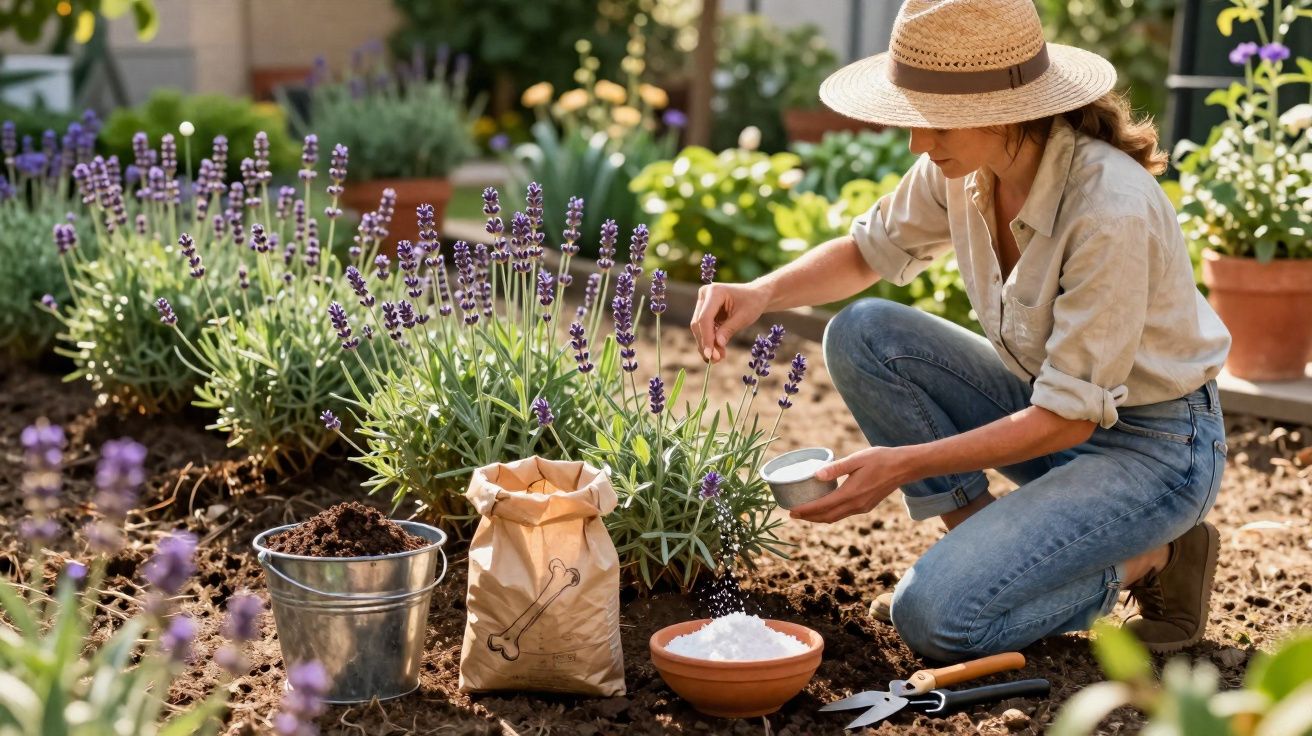
Many gardens reach July with only a few skinny lavender flower spikes - even though lavender can put on a purple firework display in midsummer.
The difference isn’t made in the heat of summer, but months earlier, in the soil. If you give lavender the right three natural ingredients in spring, you’ll usually get noticeably more flowers in high summer, a stronger fragrance and tougher plants - with no chemicals and without constant feeding.
Why lavender barely tolerates fertiliser - yet still benefits from a little
Lavender originates from sparse, stony Mediterranean landscapes. There it thrives in poor, lime-rich soils that dry out quickly. Those are exactly the conditions it prefers in gardens across the UK and much of Central Europe too.
That’s where many gardeners accidentally go wrong: they pamper lavender as if it were a rose or a hydrangea - rich composts, frequent feeds, thick mulch - and then wonder why the plant produces soft growth, lots of leaves and disappointingly few blooms.
Lavender likes to live lean - but a single, targeted, light boost in spring can improve flowering dramatically.
Garden professionals regularly point out that overfed lavender becomes more vulnerable, turns woody unevenly and flowers less. One very modest feed in spring is enough, provided the soil and site are right: sunny, free-draining and on the dry side.
The simple three-part mix for lavender: compost, bone meal, lime
The key is a natural blend that does three jobs at once: gentle nourishment, stronger roots and a better pH level. You only need three widely available ingredients:
- Mature compost - adds organic matter, improves soil structure and releases nutrients slowly.
- Bone meal - rich in phosphorus and calcium, supporting root development and flower formation.
- Garden lime or dolomitic lime - increases lime content, which lavender strongly prefers.
Mix all three in equal parts to make a loose, crumbly fertiliser blend. A small bucket is often enough for several plants.
Equal measures of compost, bone meal and lime create a quiet turbo-charge for lavender - without spoiling it.
How to work the mix into the soil properly (technique matters more than precision)
When applying it, the method counts more than exact millimetres:
- Gently loosen the soil around the plant without exposing the roots.
- Sprinkle the mix in a ring over the root zone, not pressed up against the main stem.
- Work it in lightly with a hand fork or small cultivator, only a few centimetres deep.
- Water in lightly so the nutrients can seep down to the roots.
That watering acts like a lift: it draws nutrients down to where roots can access them. Just don’t create waterlogging - lavender remains a drought-lover.
Spring timing: the short window for maximum July flowering
Getting the timing right is crucial. In Central Europe (and similarly in much of the UK), mid-March to late April is typically the sweet spot, depending on your local weather. The worst frosts should be over, but the plant shouldn’t be in full, vigorous growth yet.
Feed later and you’re more likely to stimulate leafy growth rather than abundant flowers. Feed too early and heavy rain can wash nutrients away - or hard frosts may stress the roots.
| Area | Recommended feeding time |
|---|---|
| North / upland regions | Late March to mid-April |
| Rhine Valley / mild locations | Early to late March |
| Foothills of the Alps / higher ground | Late March to late April |
How much fertiliser does one lavender plant actually need?
The amounts are surprisingly small. As a rough guide:
- Young plants in borders: about one small handful of the mix.
- Older, large lavender bushes: two loose handfuls are plenty.
- Container plants: no more than half a handful, as nutrients are more concentrated in pots.
If you’re unsure, apply less. Lavender is harmed far more quickly by too many nutrients than by too few.
The biggest lavender mistakes - and how to avoid them
In many gardens, the real issue isn’t lack of feeding, but well-intended care that backfires. These problems especially reduce the July display:
- Nitrogen-heavy all-purpose fertiliser: drives leaf growth and soft, leggy shoots; flowers stay sparse.
- Fresh manure or very young compost: too strong and nutrient-rich; can encourage fungal problems.
- A thick mulch layer of bark or grass clippings: keeps soil too damp and cool, stressing roots.
- Heavy, clay soils without drainage: roots suffocate; plants decline or fail over winter.
Lavender needs more sun and airflow than food - feeding is a small but decisive extra.
If your garden soil is clayey, mix in sharp sand or fine grit and plant lavender slightly raised so rainwater can run off more quickly.
More flowers from pruning, placement and smart plant pairings
The nutrient mix won’t turn a badly sited lavender into a star on its own. Three additional factors amplify results significantly:
Regular pruning keeps lavender young (and flowering)
After the main summer bloom, many gardeners only snip off faded flower spikes half-heartedly. Better is a firm cut-back of around one third of the current season’s growth, taking care not to cut into old, woody stems. This helps lavender stay compact and rounded, and encourages denser growth for the following year.
The right position determines fragrance and colour
More sun means more flowers. Aim for at least six hours of direct sunlight per day. South- or west-facing spots, the tops of low walls, slopes and dry front gardens are ideal - the soil warms quickly there, which lavender loves.
Which plants grow well with lavender
Lavender suits neighbours that enjoy the same lean, sunny conditions, such as:
- Rosemary, thyme, sage
- Ornamental grasses such as fountain grass (Pennisetum)
- Drought-tolerant summer flowers, for example cosmos
Roses are a classic partner for lavender, but they need more water and richer soil. If you grow them together, keep the lavender area deliberately lean and feed the rose area more generously.
What bone meal and lime actually do
Some gardeners hesitate because the terms sound unfamiliar. A quick explanation makes choosing easier.
Bone meal is finely ground animal bone and has been used in horticulture for decades. It releases nutrients very slowly, which keeps the risk of overfeeding low. For strictly vegan gardeners, some brands offer plant-based alternatives with a similar phosphorus level.
Lime raises soil pH. Lavender prefers slightly alkaline conditions - roughly pH 7 to 8. In many areas, garden soils tend to be more acidic, especially where conifers dominate or bark mulch is used routinely. A moderate amount of lime in the mix helps correct that.
If you’re uncertain, use a simple pH test kit from a garden centre to check your soil. Strongly acidic patches can be made lavender-friendly over time with grit, sand and carefully measured lime applications.
Extra practical tip: containers, drainage and watering discipline for lavender
If you grow lavender in pots, drainage is non-negotiable. Use a container with clear drainage holes, add a layer of grit at the base if needed, and choose a free-draining compost mix (often improved with horticultural grit). Apply the compost–bone meal–lime mix sparingly, because nutrients build up faster in confined compost.
After feeding, keep watering restrained: let the surface dry between waterings and never leave pots standing in a saucer of water. Consistently damp compost is one of the quickest ways to shorten a lavender plant’s life.
How to make your lavender the July focal point
If you deliberately reach for a bucket of compost, bone meal and lime once in spring - and then stay moderate for the rest of the season - you give lavender an excellent chance of producing dense, violet cushions of bloom. The effort is small, but by July the pay-off is obvious: visually, in the fragrance, and in the steady hum of bees around the shrubs.




Comments
No comments yet. Be the first to comment!
Leave a Comment