
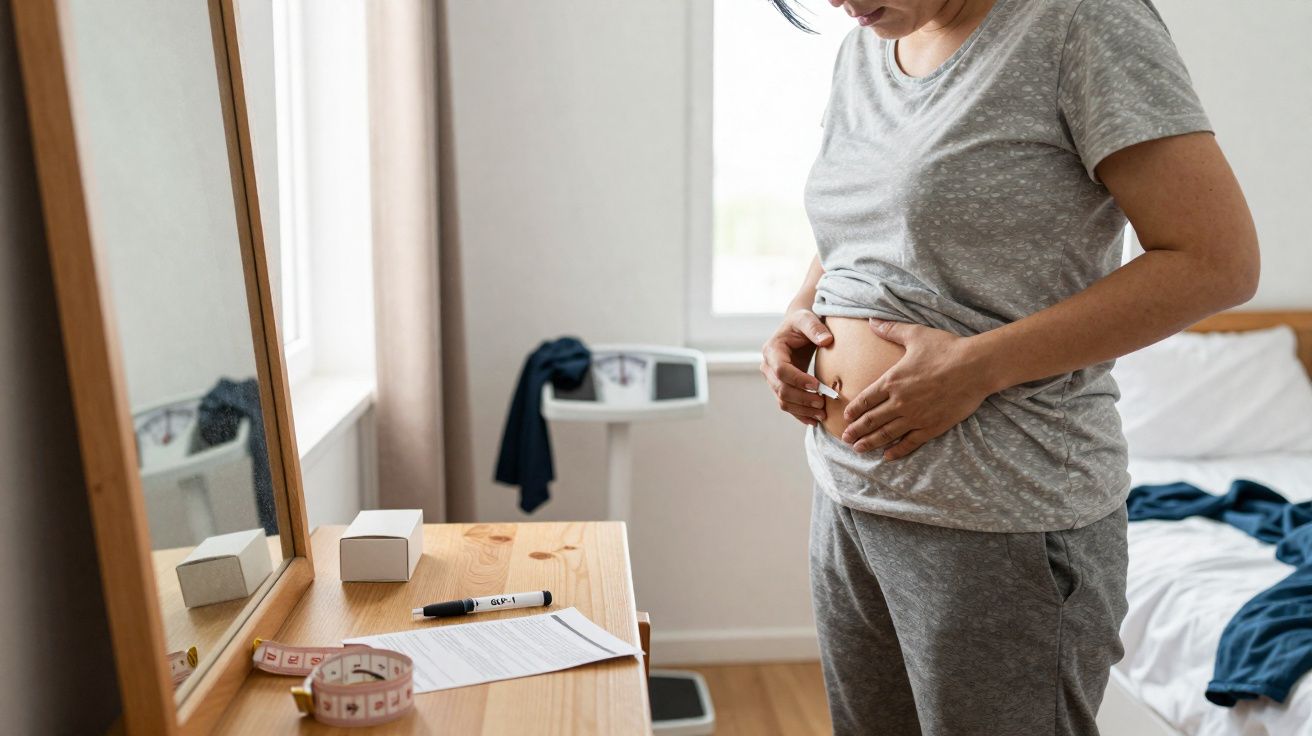
New injectable weight-loss drugs are reshaping waistlines, NHS spending and what people think is possible - yet there is an awkward catch.
Blockbuster obesity injections such as Wegovy and Mounjaro can drive dramatic weight reduction. But when people stop the jabs, the kilograms often return much sooner than clinicians and health economists had anticipated.
GLP‑1 weight-loss injections that once seemed almost miraculous
In clinical trials, weekly injections including semaglutide (Wegovy), tirzepatide (Mounjaro) and liraglutide (Saxenda) have been promoted as genuine breakthroughs. Participants commonly shed 15–20% of their body weight - far more than most diet-and-exercise programmes typically achieve.
These medicines sit within a group known as GLP‑1 analogues. They influence hormones that control appetite and affect how the body manages blood sugar. Many users report feeling satisfied earlier and spending less time thinking about food.
Across the UK, roughly one person in 50 is now using these injections. Most are not receiving them via the NHS: about 90% pay privately, usually around £120–£250 a month. For many families, that outlay can resemble taking on an extra rent or mortgage.
Cost pressure shows up quickly in real life. More than half of people who begin these medicines stop within a year, mainly because the ongoing expense becomes unmanageable. Until recently, there was limited robust evidence about what happens after stopping. A new analysis in the British Medical Journal now addresses that question - and the results are sobering.
"Clinical data suggest that, once treatment stops, people regain almost all the weight they lost within about 18 months."
Weight returns - and it returns quickly
When researchers examined the trials available, a consistent trend emerged. After GLP‑1 injections are discontinued, weight climbs steadily. By around a year and a half, many participants were back at, or near, their starting weight.
What stands out is the pace of the rebound. Compared with people who slim down through structured diet and physical activity programmes, those who come off injections appear to regain weight around four times faster.
The health improvements that made these drugs appealing to health services also diminish. While taking the medication, people often experience:
- lower blood pressure
- improved cholesterol levels
- better blood sugar control
Once injections stop, these measures tend to drift towards their pre-treatment levels. For a health system supporting these medicines largely to prevent heart attacks, strokes and diabetes complications, that creates difficult trade-offs.
"The health gains seem tightly tied to staying on the injection; stop the drug, and the numbers slide back."
Long-term treatment - or a short-lived boost?
Taken together, the evidence points to an uncomfortable possibility: for many patients, obesity injections may need to be continued long term - potentially for life - to maintain both weight loss and related health benefits.
Some private providers attempt to soften that reality by pairing prescriptions with intensive lifestyle support, such as frequent coaching, tailored diet plans and exercise advice. The BMJ analysis found this kind of support can produce an additional 4.6 kg of weight loss on average during treatment.
However, there is no strong evidence that extra coaching - whether delivered during treatment or afterwards - meaningfully slows the rate of weight regain once the drug is withdrawn. That leaves a stark decision for patients and clinicians: keep funding the treatment, or prepare for a rapid rebound.
Access, eligibility and who misses out
Obesity is not evenly distributed across society. Prevalence is higher in more deprived areas, where sedentary work, cheaper calorie-dense foods and limited access to green space combine. Those same communities are also least able to pay for private prescriptions.
The NHS has begun to introduce GLP‑1 injections, but access is tightly restricted. Currently, they are typically offered only to people with severe obesity - generally a body mass index (BMI) over 40 - plus at least one significant obesity-related condition, such as high blood pressure or type 2 diabetes.
| Category | Typical access to GLP‑1 injections in the UK |
|---|---|
| Severe obesity with complications | May qualify for NHS-funded treatment |
| Obesity without major complications | Generally private pay only |
| Overweight, high health risk | Lifestyle support; drug treatment rarely funded |
As a result, a substantial group - people whose weight is already harming their health but does not meet current NHS thresholds - are largely shut out unless they can pay themselves. For them, these medicines can feel less like an option and more like a glimpse of what could be achievable.
NICE cost-effectiveness assumptions under strain
The National Institute for Health and Care Excellence (NICE) approved these medicines for NHS use on the basis of cost-effectiveness modelling. Those models assumed a two-year course of treatment, followed by a gradual return of weight over roughly three years once the drug was stopped.
The newer evidence challenges that picture. If weight is largely regained within 18 months and blood pressure and cholesterol revert on a similar timetable, then the value of a short, time-limited course looks materially smaller than NICE originally estimated.
"Faster regain means fewer years of better health for every pound spent, which changes the maths for the NHS."
Keeping patients on treatment indefinitely could preserve benefits - but at considerable cost. Even if cheaper generic versions or tablet alternatives appear in future, prices are unlikely to fall sharply in the near term. Health economists may therefore need to rerun the calculations using real-world patterns of stopping and restarting, rather than the neat timelines of trials.
Traditional weight-management programmes still play a key role
For those who do not qualify under NHS rules, or who cannot meet private costs, conventional weight-management routes remain the primary option.
One method drawing fresh attention is “total diet replacement”: nutritionally complete soups and shakes that substitute normal meals for 8–12 weeks, followed by a structured reintroduction of food. These programmes can deliver weight loss comparable to GLP‑1 medicines, while costing far less.
Group-based schemes such as WeightWatchers or Slimming World usually produce smaller average losses, but they are often cheaper per participant. Evidence suggests they can still offer good value for money for the NHS, particularly where they prevent or postpone type 2 diabetes.
What GLP‑1 means in practice
GLP‑1 is short for “glucagon-like peptide‑1”. It is a gut hormone released after eating. It sends “fullness” signals to the brain and slows how quickly food moves through the stomach.
Medicines such as semaglutide imitate this hormone. They suppress appetite and may alter how the brain’s reward pathways respond to food, which helps explain why many users describe fewer cravings. They also support more controlled insulin release from the pancreas, helping to steady blood sugar.
When injections are discontinued, these effects fade. The body’s underlying appetite and energy-balance mechanisms reassert themselves - often forcefully. For people who have lived with obesity for years, those biological pressures can be strong, which may help explain the rapid regain seen in trials.
Real-life scenarios patients are dealing with
Imagine a 45‑year‑old office worker with obesity and high blood pressure. While taking a GLP‑1 injection, she loses 20 kg over a year, her blood pressure returns to normal, and she stops one of her medicines. After 12 months, the private prescriptions become unaffordable, so she discontinues treatment. Over the following year and a half, she regains most of the 20 kg. Her blood pressure rises again, and the heart-disease risk that was briefly lowered returns.
Now consider another person with a similar weight but no major complications, sitting just below the NHS eligibility threshold. He undertakes a 12‑week total diet replacement programme arranged via his GP. He loses a little less than a neighbour using injections, yet spends far less. If ongoing support helps him maintain some of that reduction, the long-term benefit to the health service could approach that of the drugs - but at a much lower cost.
Risks, benefits and combined strategies
GLP‑1 injections are not cure-alls, but they can be highly effective tools. They may be particularly valuable for people with severe obesity and serious complications, where rapid and substantial weight loss can quickly lower the risk of heart disease and diabetes-related harm.
Side effects are also a factor. Many people report nausea, vomiting, diarrhoea or constipation, especially as doses rise. These effects are often manageable, but some patients stop because they feel too unwell.
Some specialists are exploring blended approaches: using GLP‑1 drugs to kick-start weight loss, then shifting towards intensive lifestyle support while gradually reducing the dose, with the aim of limiting rebound. Evidence for this phased strategy remains limited, but it reflects a broader move towards treating injections not as standalone miracles, but as one component of longer-term obesity care.
For patients and health systems alike, the implication is blunt. These drugs deliver results while you are taking them and can shift the numbers on the scales impressively. Once injections stop, biology pushes back quickly - and the true cost of long-term use is only beginning to come into view.






Comments
No comments yet. Be the first to comment!
Leave a Comment