
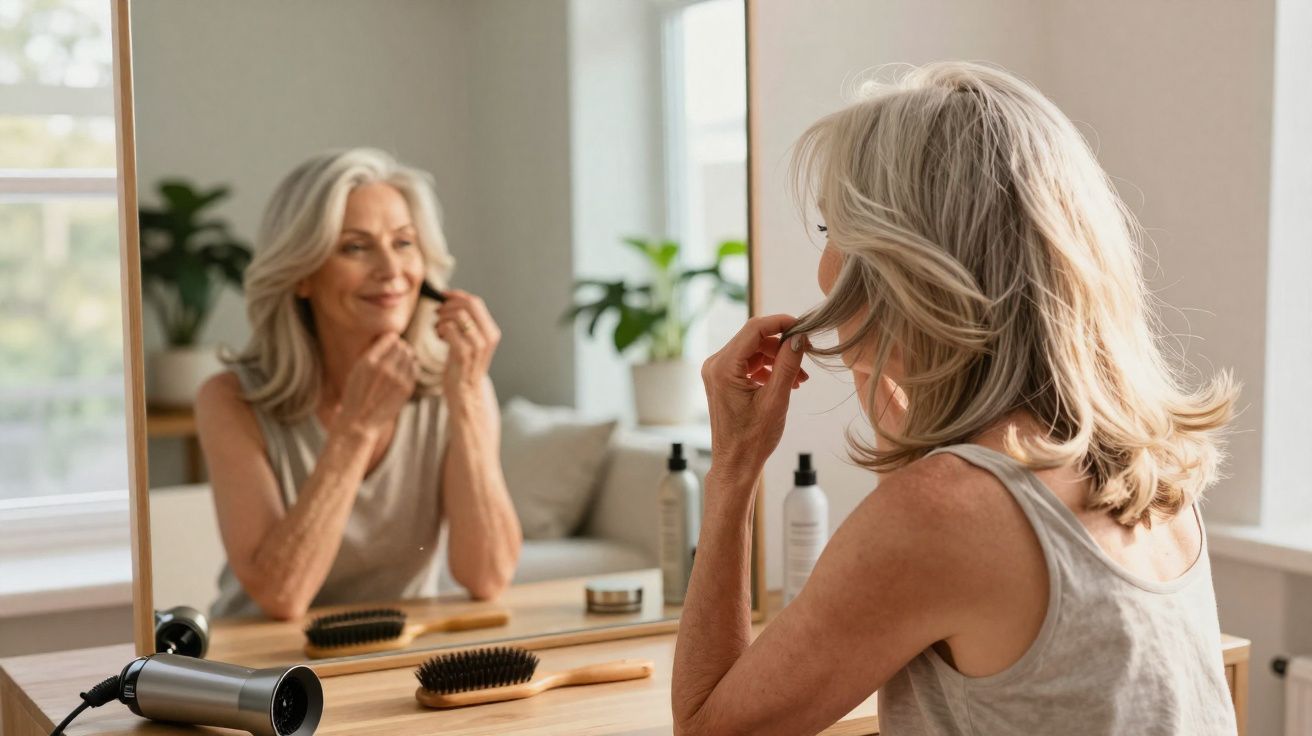
After 60, hair can start to look flatter, finer and slightly fatigued - but one well-chosen cut can make a surprisingly big difference.
As hair naturally loses density and spring over time, the right hairstyle can bring back movement, lift the face and make your features look brighter - often taking years off your overall look. One stylist-endorsed cut, already popular on social media, is now being called a true game changer for fine hair after 60.
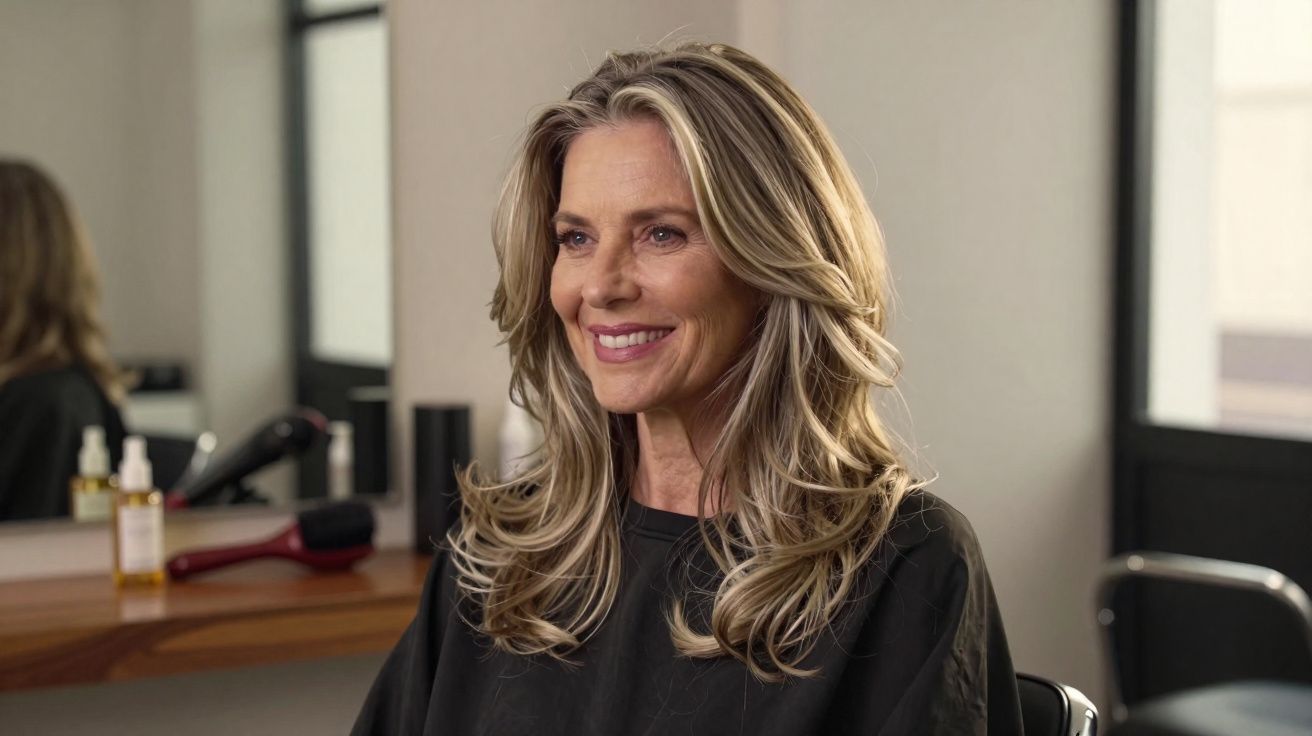
The butterfly haircut that’s making fine hair look fuller
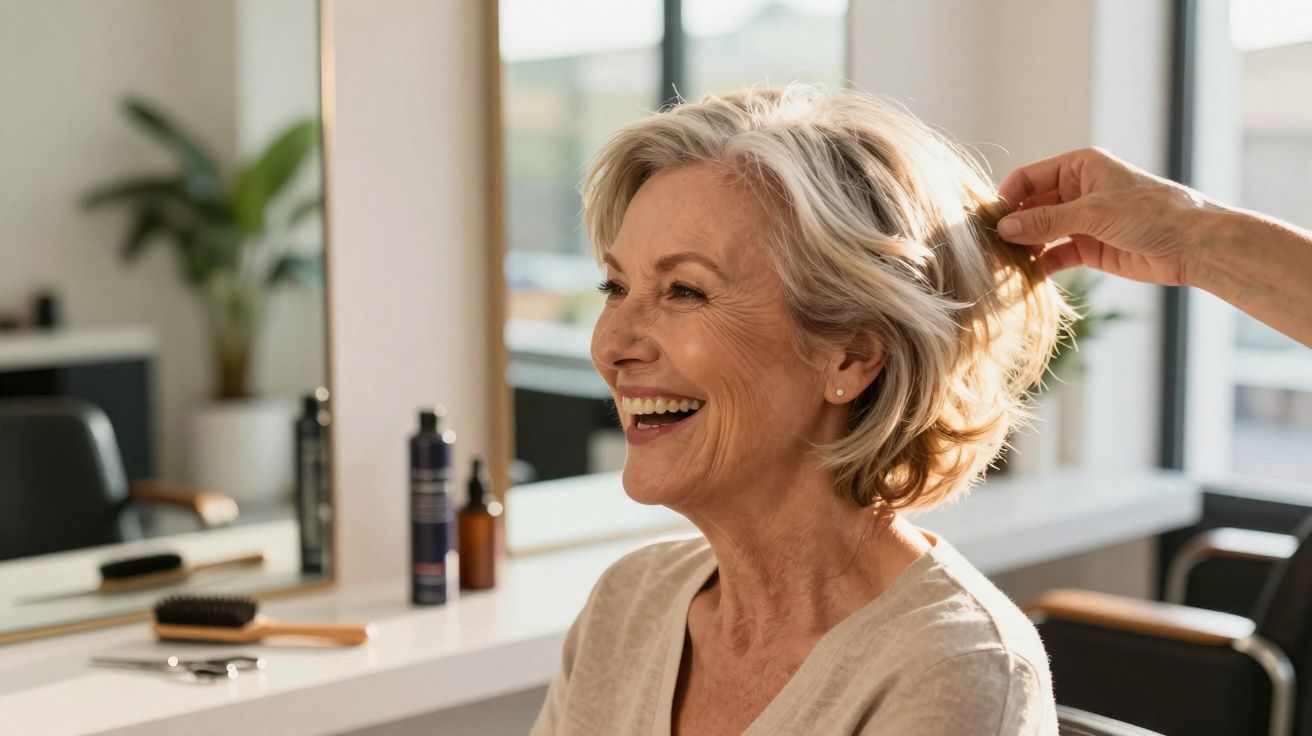
Caleb Backe, a hair specialist at Maple Holistics, highlights the butterfly haircut as an especially strong choice for mature, fine hair. Although it first took off with younger TikTok users, it’s now gaining real momentum among the 60+ crowd for a simple reason: it creates natural-looking volume without relying on intense styling.
The butterfly haircut uses soft, layered sections to mimic the lightness of butterfly wings, making thin hair appear fuller and more lifted.
Rather than sticking to a single blunt length - which can weigh hair down and pull the face visually lower - the butterfly haircut is built on light, cascading layers. The layering takes away heaviness from the ends while keeping enough fullness through the crown and mid-lengths. That balance helps the hair look bouncier and more substantial.
With fine hair, a heavy one-length cut can often fall flat by lunchtime. The butterfly approach is designed to do the opposite: through purposeful shaping and layering, it encourages the hair to lift from the scalp and move naturally, instead of lying close to the head.
How the butterfly cut adds volume to fine, ageing hair after 60
With age, individual hair fibres often become slimmer, and overall strand count can decrease too. The butterfly haircut is designed to work with those exact changes rather than against them.
- Layering: Shorter layers through the top encourage the hair to sit a little higher, adding lift and a rounded shape.
- Texture: Gentle texturising adds hold and motion, helping hair avoid clinging to the scalp.
- Weight removal: Reducing bulk at the lower lengths helps prevent the “stringy” effect fine, longer hair can develop.
- Face-framing strands: Pieces around the face soften the look of lines and draw attention to the eyes and cheekbones.
By shifting weight away from the ends and towards the mid-lengths, the cut creates the illusion of much thicker hair without adding extensions or heavy products.
Overall, the silhouette feels airy and light, but not insubstantial. The hair tends to look more “alive”, with easy movement rather than a stiff, overly styled finish.
Why it flatters faces over 60
The butterfly cut isn’t just about adding body to the hair; it can also change how the face reads. From around 60 onwards, many people notice a softer jawline, less firmness in the cheeks and more visible expression lines.
Well-placed layers can help tackle all of that:
- Softer sections along the jaw can make the lower face appear more defined.
- Added height at the crown can suggest more lifted facial proportions.
- Movement through the cheekbone area can create a fresher, more animated look.
Many stylists refer to it as a “facial refresh without surgery”. The change is understated, but it can be clear: the face can look less tired, less harsh and more open.
Choosing the right version for your face shape
The butterfly haircut is not a one-size-fits-all option. One of its biggest strengths is how easily it can be customised - particularly for women over 60, whose features or face shape may have shifted gradually.
| Face shape | How to tailor the butterfly cut |
|---|---|
| Round | Ask for more defined, longer layers around the cheekbones to elongate the face and introduce angles. |
| Oval | Most variations suit; softer flowing layers that graze the chin and shoulders can look especially flattering. |
| Heart-shaped | Keep light layers around the chin and below to balance a broader forehead with a narrower jaw. |
| Square | Request feathered, wispy layers near the jawline to soften a stronger bone structure. |
It helps to be specific when you explain what you want. Rather than simply requesting a “butterfly cut”, tell your stylist the goal - whether that’s lifting the crown, softening the jaw, framing the eyes, or reducing fullness at the cheeks.
Length options: not just for long hair
The butterfly haircut first went viral on long, flowing hair - but the concept works just as effectively on medium lengths and even shorter styles, which is useful if you want something lower-maintenance.
- Long hair: Best if you still enjoy length and want more dramatic, wing-like layers that float around the shoulders and chest.
- Mid-length: A practical middle ground for ease and movement; layers can sit around the collarbone for a relaxed, contemporary finish.
- Short to lob length: A punchier take, with lifted layers and plenty of texture that can be styled quickly.
For extremely fine or delicate hair, many stylists favour a mid-length butterfly rather than keeping it very long. Shorter lengths often hold volume more easily.
Styling tricks to maximise volume at home
The cut does much of the work, but everyday styling habits still matter. Fine hair can be weighed down quickly, especially by richer products or heavier oils.
Think “light but supportive”: products that give grip and lift without making hair stiff or sticky.
Backe and other stylists commonly suggest:
- Using a lightweight volumising mousse at the roots before blow-drying.
- Applying sea salt spray or a texturising spray through the mid-lengths for an undone, airy finish.
- Blow-drying with a round brush, lifting hair up and away from the scalp.
- Finishing with a wide-barrel curling iron to form soft bends rather than tight curls.
A few slightly lighter pieces around the face can also enhance the overall impact. Subtle highlights reflect light, brighten the complexion and create the impression of extra depth and dimension in the hair.
Maintenance, salon visits and realistic expectations
One reason the butterfly cut suits many people is that it usually grows out well, making it ideal if you don’t want constant salon trips. Even so, routine trims help the layers keep their shape instead of dropping flat.
- Every 6–8 weeks for very fine hair that loses its structure quickly.
- Every 8–10 weeks for thicker hair or hair with a little more natural wave.
A key detail that’s easy to miss: a butterfly cut won’t magically turn very sparse hair into a thick, dense mane. What it does do is improve the look of what you already have, using movement and shape to make fine strands appear fuller.
Key hair terms worth knowing
Salon terminology can feel confusing, and that can lead to results that aren’t quite right. These words are particularly helpful when you’re asking for a butterfly haircut.
- Layers: Hair cut to varying lengths to add dimension and take away weight.
- Texturising: A method of removing small amounts within a section to reduce bulk or increase movement.
- Face-framing: Shorter front pieces shaped to flatter and emphasise your features.
- Volume at the crown: Lift at the top-back of the head that creates a more raised profile.
Taking reference photos and using these terms makes it easier for your stylist to adjust the butterfly cut to your hair texture and your day-to-day routine.
Practical scenarios: who benefits most from the butterfly cut?
If your hair has thinned mainly at the crown but still feels denser at the ends, the butterfly haircut can place volume where it’s needed and reduce weight where the lengths look wispy. The outcome is a more even, flattering outline.
If your bigger concern is that your face looks weary rather than your hair itself, carefully positioned layers around the cheekbones and jaw can pull attention upwards. That visual change can feel more rejuvenating than cutting everything very short simply “because of age”.
For people dealing with health-related hair changes - including post-menopausal thinning - the butterfly cut can work well alongside gentle routines: low-heat styling, nourishing but lightweight conditioners, and scalp massages to support circulation can all complement the shape without putting extra stress on the hair.
With thoughtful colour placement, such as soft highlights or a slightly lighter tone near the face, the butterfly haircut becomes more than a passing trend. It works as a practical way to help fine, ageing hair look fuller, brighter and more expressive, while still feeling like you.


Comments
No comments yet. Be the first to comment!
Leave a Comment