
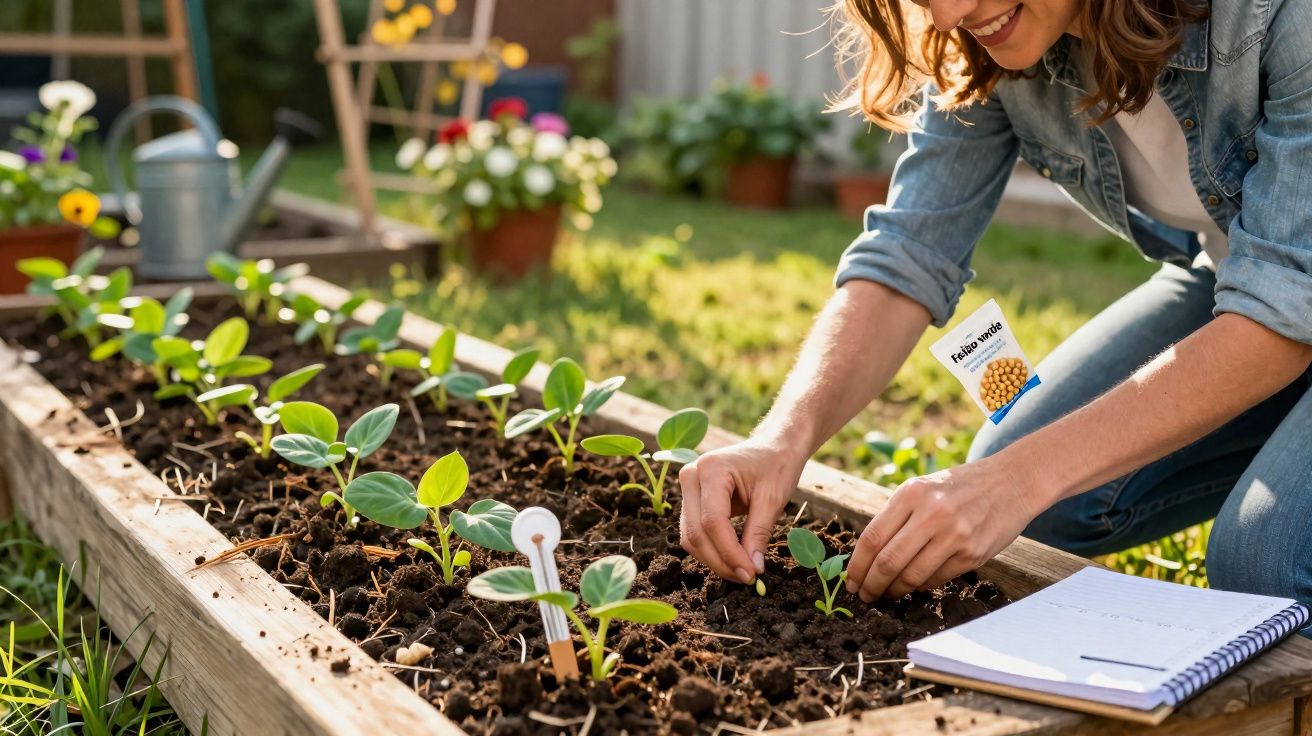
Green beans are among the vegetables that even beginners usually manage without much fuss - provided the soil is warm enough and a few simple basics are in place. Get those right, and it’s often barely two months from sowing to the first picking, with the bed producing a surprisingly generous crop of tender pods.
Why the right timing matters so much
Dwarf beans and climbing beans thrive on warmth. In cold, wet soil, the seeds are more likely to rot than germinate. This is exactly where the most common mistakes happen in home gardens: packets go into the ground too early, the seed sits in chilly conditions, slugs and rot take advantage - and, in the end, there isn’t enough time left for a plentiful late-summer harvest.
"Success is most likely when the soil stays consistently above 12 degrees Celsius and warms up quickly during the day."
If you hit that window, you’ll often see a real surge in growth: within a few days, the first seedlings push through the soil - and less than two months later, the poles can be hanging full of pods.
Best sowing times in Germany, Austria and Switzerland
Soil temperature matters more than any calendar date. Still, a rough regional guide helps you estimate the most suitable sowing period.
| Region | Approximate outdoor sowing period |
|---|---|
| Mild areas, wine-growing regions, urban gardens | from late April to mid-July |
| Central Germany, lowland areas in Austria/Switzerland | from early/mid-May to late July |
| Cooler regions, uplands, higher elevations | from late May to early August |
As a rule of thumb, beans only go into the bed after the Ice Saints, once there’s no longer any risk of night frosts and the soil noticeably heats up in the sun.
How to judge soil temperature
If you don’t want to put a thermometer into the ground, you can use a few straightforward indicators:
- The soil no longer feels clammy-cold first thing in the morning when you reach 5–10 cm deep.
- Weeds are germinating quickly and evenly.
- Early potatoes and lettuce show visible week-on-week growth.
If you prefer to be certain, use a soil thermometer. When it shows around 15 degrees or more for several days in a row, the odds of rapid germination are excellent.
How to sow green beans outdoors correctly
For a fast start, beans mainly need soil that’s loose and well aerated. Waterlogging slows growth and encourages disease. Loosen thoroughly once, then try not to tread around on the bed when it’s wet.
Preparing green bean soil without overdoing it
One major advantage is that beans are legumes. With the help of root nodule bacteria, they can fix nitrogen themselves. Heavy feeding - especially fresh manure applied right before sowing - tends to do more harm than good.
- Loosen the ground with a digging fork, breaking up any large clods.
- Work in only modest amounts of well-rotted compost if the area looks very depleted.
- Don’t apply fresh, high-nitrogen fertilisers.
If the spot previously carried heavily fed crops such as cabbage or squash, it’s usually better to move the beans to a different, less nutrient-rich area.
Rows, spacing and sowing technique
Dwarf beans are typically sown in traditional rows, while climbing beans are grown up frames or poles.
Here’s a reliable method for sowing dwarf beans:
- Draw seed drills about 3–5 cm deep, leaving 40–50 cm between rows.
- Either place one bean every 5–10 cm, or set small groups of 4–6 seeds (so-called “tufts”) at 30 cm intervals.
- Cover with fine soil and gently firm it down so the seeds have good contact with the earth.
- Water the drill thoroughly once before or after sowing, then water mainly close to the ground.
If you’re growing climbing beans, you usually place several beans around each pole to form small circles. It’s worth watering a little deeper at planting, so moisture reaches the roots evenly.
How to prevent problems during emergence
In the ideal temperature range, beans come up quickly: the first leaves often appear within 5–10 days. Even in that short window, a few issues can still cause trouble.
Typical stumbling blocks include:
- soil that’s too cold and wet - seeds rot
- slugs feeding on the delicate seed leaves
- a sealed, crusted surface after heavy rain
A thin mulch layer of grass clippings between the rows - not directly on top of the seed - helps keep the surface open and reduces drying out. Beer traps are only limited help against slugs; noticeably more effective are slug fences, hand-picking at dusk, or sowing in several batches to offset losses.
How long it takes from sowing to harvest
With warm soil, dwarf beans grow so quickly it can feel like you can watch them change from day to day. Depending on the variety, harvest follows after a relatively short time.
"With dwarf beans, there are usually 50–60 days between sowing and the first crisp pods."
Climbing beans generally take a few days longer to get going, but then keep producing fresh pods continuously over a much longer period.
Staggered sowing for continuous picking
To avoid having no beans early on and then far too many later, it pays to plan ahead. Many gardeners sow every row in one weekend - and end up harvesting in one short glut. Staggered sowing works better:
- first dwarf bean sowing shortly after the Ice Saints
- additional rows every two weeks until late June/early July
- from midsummer onwards, rely more on climbing beans, which crop for longer
If you pick consistently every two days, you encourage the plants to keep producing. Let pods mature and thicken, and the plant will noticeably slow down the formation of new beans.
Care mistakes that noticeably slow growth
Beans are straightforward, but they do respond poorly to a few common lapses in day-to-day bed care.
Water, wind and competing plants
During flowering and pod formation, the crop needs even moisture. Big swings between drought and soaking wet conditions can lead to tough or misshapen pods.
- Water less often but thoroughly, rather than giving a light sprinkle every day.
- Water at soil level so the leaves stay as dry as possible.
- Hoe regularly to remove weeds, otherwise they steal light and nutrients.
Once plants reach about 15–20 cm tall, lightly drawing soil up around the stems helps keep them steady. A loose mulch between the rows holds moisture in the ground for longer and suppresses weeds.
Which varieties deliver quick results
For getting started, early dwarf bean varieties are especially suitable - look for those explicitly labelled “early”. They provide a fast first harvest, even if the yield per plant doesn’t quite match that of climbing beans.
Beans with round, relatively slim pods tend to stay more tender when cooked, while flatter types often bring a more intense flavour. If you like storing your crop, choose varieties suited to freezing or bottling - that information is usually printed on the packet.
Healthy companion planting and sensible neighbours
In the vegetable bed, beans pair very well with crops that use lots of nutrients. Because they fix nitrogen themselves, they ease the burden on the soil a little. Good bed companions include:
- maize or sweetcorn, which provides shade and shelter from wind
- pumpkin and courgette, which cover the ground
- lettuces and radishes, which are harvested early and free up space
Less suitable are close neighbours such as onions or garlic, which can weaken root growth in some beans. After a bean crop, heavy feeders such as cabbage or tomatoes are often a good follow-on the next year, benefiting from nitrogen left in the soil.
Practical tips for beginners without a large garden
Even with only a small back courtyard or a balcony, you can still grow green beans. For dwarf beans, large pots or mixing tubs at least 25–30 cm deep are sufficient. The compost should be loose and humus-rich, and standing water in a saucer can harm the crop.
When watering on a balcony, the same rule applies: avoid wetting the leaves and water the compost directly. Light wind protection helps prevent young plants snapping in thunderstorms. And beans are a great project with children - seedlings appear so quickly that nobody runs out of patience.





Comments
No comments yet. Be the first to comment!
Leave a Comment