
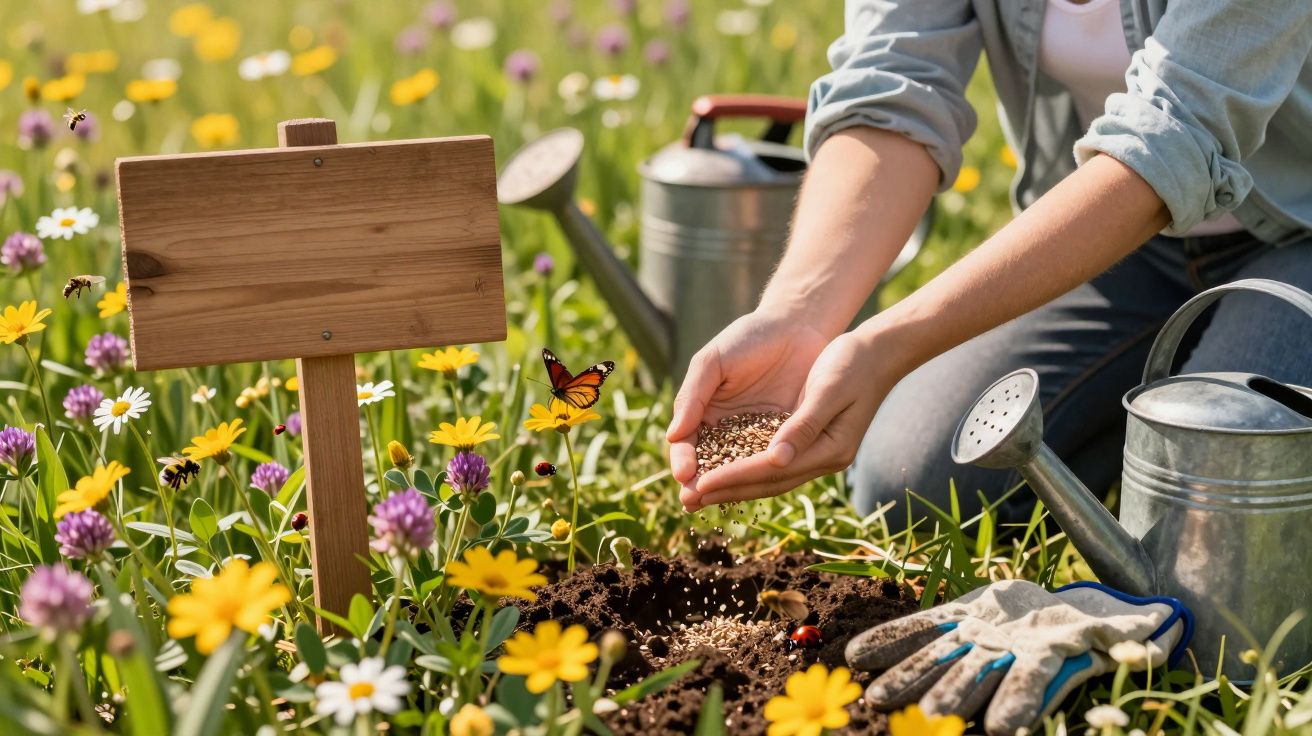
A faint, constant drone hangs in the air, like far-off radio static, drifting over a strip of wildflowers at the edge of a field that used to feel lifeless. The farmer who owns the land remembers standing here a decade ago on summer evenings and hearing next to nothing: no bees, no crickets, hardly even a moth circling the light by his old barn.
Today the atmosphere is busy again. Bees zigzag without much order, ladybirds work their way along the stems, and a dragonfly draws a crisp blue streak above the ditch. It is not a paradise-at least not yet-but it no longer resembles a film set built for an apocalypse.
He gives a small shrug, looks towards the hedgerow his father once sprayed as a matter of routine, and offers a plain sentence that sticks with you. “We stopped poisoning them. They came back.”
When pesticide spraying stopped, insects began to return
Across Europe and parts of North America, scientists are now documenting the same understated pattern: places that had gone quiet are regaining some of their buzz. Field margins, woodland edges, road verges and even unremarkable suburban lawns are seeing a modest but genuine return of small wings and tiny legs.
This is not a storybook rebound. Entire species are still absent, and some will never reappear in areas where they once flourished. What is remarkable, though, is how quickly life probes the boundaries again once the worst toxic chemicals are removed from the landscape.
Limit one group of pesticides in one place, tighten the rules around a weed killer in another, and the pool of darkness around a streetlamp can look less empty. The recovery remains delicate-but it is visible.
A particularly clear case is the European Union’s restrictions and bans on neonicotinoid insecticides. These “neonics” were commonly used as seed treatments and then travelled through the plant’s tissues, effectively turning whole cropped areas into toxic traps for pollinators.
In France and Germany, long-running monitoring recorded sharp drops in wild bees and other insects during the height of neonic use. Some research suggested that, in certain protected sites, around three-quarters of flying insect biomass had disappeared compared with the 1980s.
When the most harmful neonics were later severely restricted or prohibited, early results from several monitoring schemes began to tell a similar story: in some places bee numbers stopped falling, and a number of wild species started edging upwards. It was not a magic fix, but trend lines that had plunged year after year began to level off and, in a few cases, tilt slightly upwards.
Behind the charts sits a basic biological fact: insects are designed for comebacks. They reproduce quickly and disperse well. If even a small pocket survives, it can repopulate an entire valley over just a few seasons once conditions become less hostile.
Removing toxic chemicals reduces a constant background strain. Nervous systems are no longer under low-dose attack, food plants carry fewer residues, and larvae in the soil are not trying to develop in what amounts to a chemical minefield.
That is why the graphs can change faster than many people assume. You do not have to wait 50 years to notice differences in a garden, or on the country lane you walk every Sunday morning.
What changes when toxic chemicals are banned (and why insect recovery responds)
The first major shift often happens below ground. Many modern insecticides and herbicides do not simply wash away in the next shower. They cling to soil particles, persist in darkness, and seep into the tiny spaces where larvae feed, fungi spread and beetles chew through last season’s leaves.
When the most persistent substances are withdrawn, the soil becomes less of a chemical savings account and more like functioning soil again. Earthworms tunnel more freely, fungal networks thicken, and microbes that were repeatedly knocked back by spray cycles start rebuilding a more complex underground community.
Insects tend to feel the benefit early. Better soil means safer places to lay eggs, more food for grubs, and cleaner routes for nutrients to move into stems, leaves and flowers.
Farmers who move away from the harshest products often describe a familiar arc. Year one can feel like stepping off a cliff: fields appear messier, and weeds show up where a single chemical once kept everything brutally neat.
Then the predators begin to reappear-ladybirds, hoverflies, lacewings and ground beetles-the unpaid pest-control workforce that broad spraying quietly suppresses. Some growers in Spain’s greenhouse-heavy Almería region compared it to learning a new language: initially, every aphid felt like an emergency; later, they learnt to “read” whether beneficial insects were already arriving to do the job.
In many of these examples, yields did not collapse. They changed. Some farms saw short-term dips, followed by a new equilibrium in which chemical bills fell and resilience improved. It can be untidy, stressful and far from linear, yet it undermines the idea that banning certain toxins automatically forces a choice between insects and food.
The logic is blunt. Many of the most damaging pesticides do not only kill “pests”; they act on nervous systems shared across huge numbers of insect groups. Even when they do not cause obvious die-offs, low doses can disrupt navigation, weaken immunity and alter behaviour in ways you will not spot as a carpet of dead bees outside a hive.
Once these substances are removed, small features start to matter again. A healthy hedgerow can return to being a corridor rather than a hazard. A strip of wildflowers becomes a refuelling stop instead of a poisoned buffet. Because insect generations turn over quickly, they can respond to improving conditions faster than birds or mammals.
That is one reason some researchers describe insects as “first responders” to policy. When we stop saturating landscapes with long-lived toxins, they are often the earliest group to signal-quietly-that something is beginning to heal.
One more piece of the puzzle is water. Pesticide residues and nutrient run-off can affect ditches, ponds and streams, where aquatic insects such as mayflies and caddisflies spend much of their lives. Cleaner inputs and better-managed margins can mean stronger hatches, which then feed birds, bats and fish-linking insect recovery to the wider health of the countryside.
Monitoring matters too. Standardised surveys, light-trap records and citizen science all help distinguish a genuine shift from a good year of weather. If you want progress to last, it needs to be measured, so that bans and restrictions can be strengthened where they work and redesigned where they do not.
How everyday people can strengthen this quiet recovery
Government bans can change the baseline, but what happens in gardens, balconies, playgrounds and office lawns can either speed up-or slow down-this fragile return. The most effective action at home is straightforward: stop using broad-spectrum insecticides.
The spray you grab when a plant looks “chewed” cannot tell the difference between a caterpillar on your roses and hoverfly larvae that would have eaten your aphids next week. Leave the chemical on the shelf and you are nudged towards alternatives first: pruning, hand-picking, swapping plants, or simply tolerating a few nibbled leaves.
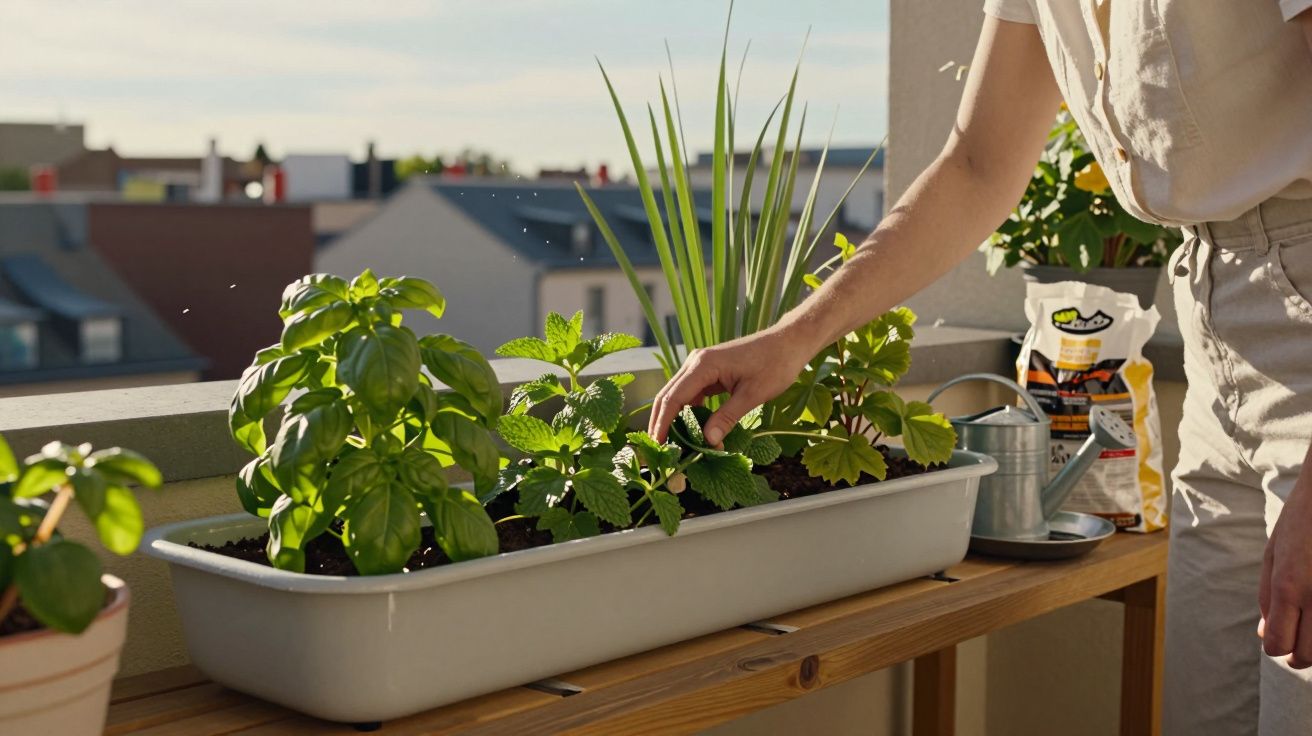
Small areas that are left unsprayed add up. A slightly scruffy patch beneath a hedge, a pot of herbs allowed to flower, or a birdbath that overflows into a damp strip can become a micro-refuge-somewhere insects can breed without having to run a chemical gauntlet.
Garden advice can come wrapped in guilt. People feel they ought to plant only native species, weed by hand, log every bee in an app and lobby the council about roadside verges-preferably all at once.
Let’s be honest: almost nobody keeps that up every day. Most of us are balancing work, children, rent, and the washing machine that has just broken again. The most sustainable change is often the one that demands less effort, not more.
Abandon the “perfect lawn” fantasy and let clover and dandelions do their job. Choose plants with open, accessible flowers instead of tightly bred doubles that look impressive but feed almost nothing. If a neighbour complains, you can truthfully say you are following current biodiversity guidance.
Researchers who follow insect trends often sound more like they are urging than lecturing:
“Bans on the worst chemicals buy us time,” one ecologist told me. “But what happens in the spaces between laws-in gardens, school grounds, balconies-determines whether insects merely hang on or genuinely recover.”
If you want something practical rather than a long to-do list, here is a short field guide you can glance at:
- Replace one chemical product you use often with a non-toxic method this season.
- Keep one corner deliberately “untidy”: leaves, twigs and wild plants.
- Add at least three insect-friendly flowers that bloom in different seasons.
- Leave porch or garden lights off a few nights a week to give moths respite.
- Speak once-just once-to a friend, neighbour or local group about doing the same.
The comeback is real, but the ending has not been written
For years, the narrative of insect decline felt like a one-way slope: fewer insects on windscreens, quieter nights, children growing up without the old game of chasing grasshoppers through long grass. Bans on toxic chemicals have cracked that story open, at least a little.
We now have evidence that when particular pesticides are removed or tightly restricted, insect populations do not just muddle through; they react. Fields sound busier. Rivers see stronger mayfly hatches. City parks quietly pick up species that go unnoticed unless someone looks closely.
None of this turns the present moment into a guaranteed happy ending. Climate change, habitat loss, light pollution and fragmented landscapes are still squeezing insects into ever smaller pockets. Some areas show local recoveries while others continue to fall silent. Even within a single country, both trends can exist side by side, depending on how land is managed.
There is also a political tug-of-war. Farmers pushed to produce cheap food are sometimes expected to shoulder the cost of change alone, while global chemical firms lobby to keep profitable products on the shelves. Meanwhile, shoppers face aisles full of “quick fix” sprays with little explanation of the hidden ecological price.
What is shifting is our sense of what can be done. If banning a handful of chemical groups can bend the curve-even slightly-it suggests the system is not beyond repair. It is damaged, but it still responds, like a tired body that begins to recover when constant strain finally eases.
On a warm evening you can test this with nothing more technical than your hearing. Open a window, step out onto a balcony, or walk to the nearest patch of green. Listen for the thin, restless murmur of wings and legs, and the soft, accidental collisions in the dark.
If that sound is louder in ten years’ time, it will not be an accident. It will be the combined result of bans, choices and small acts of restraint, adding up to something bigger than any single field, garden or law.
| Key point | Detail | Why it matters for you |
|---|---|---|
| Insects can rebound quickly | Short life cycles and high reproduction mean populations can respond rapidly when toxic pressure eases. | Offers realistic hope: changes in policy or habits can show results within a few years. |
| Bans on specific chemicals work | Restrictions on neonics and other toxins have already stabilised or improved trends in some regions. | Shows regulation is not abstract politics; it shapes what you can see and hear in everyday places. |
| Small personal choices matter | Cutting pesticide use, allowing “messy” corners and planting insect-friendly flowers create safe micro-habitats. | Provides practical steps that work even with limited space and a busy life. |
FAQ
Are insect populations really recovering, or is this just wishful thinking?
In some monitored areas, yes: there are credible signs of stabilisation and local recovery after certain chemicals were banned, particularly for some bees and aquatic insects. This does not cancel global declines, but it shows the trend is not fixed in only one direction.Which chemicals do the most harm to insects?
Systemic insecticides such as neonicotinoids, some older organophosphates, and herbicides that remove flowering “weeds” are among the biggest offenders. They frequently affect non-target insects and can persist in soil and water.Can farmers really manage without these pesticides?
Many already do, using integrated pest management, crop rotation, biological controls and more diverse landscapes. It is not effortless and it requires support, but there are plenty of working examples.Does a small garden or balcony genuinely make a difference?
Yes. In fragmented landscapes, small pockets of safe habitat act as stepping stones. Pollinators and other insects move through towns and suburbs by using these scattered refuges.What is the easiest change I can make this year?
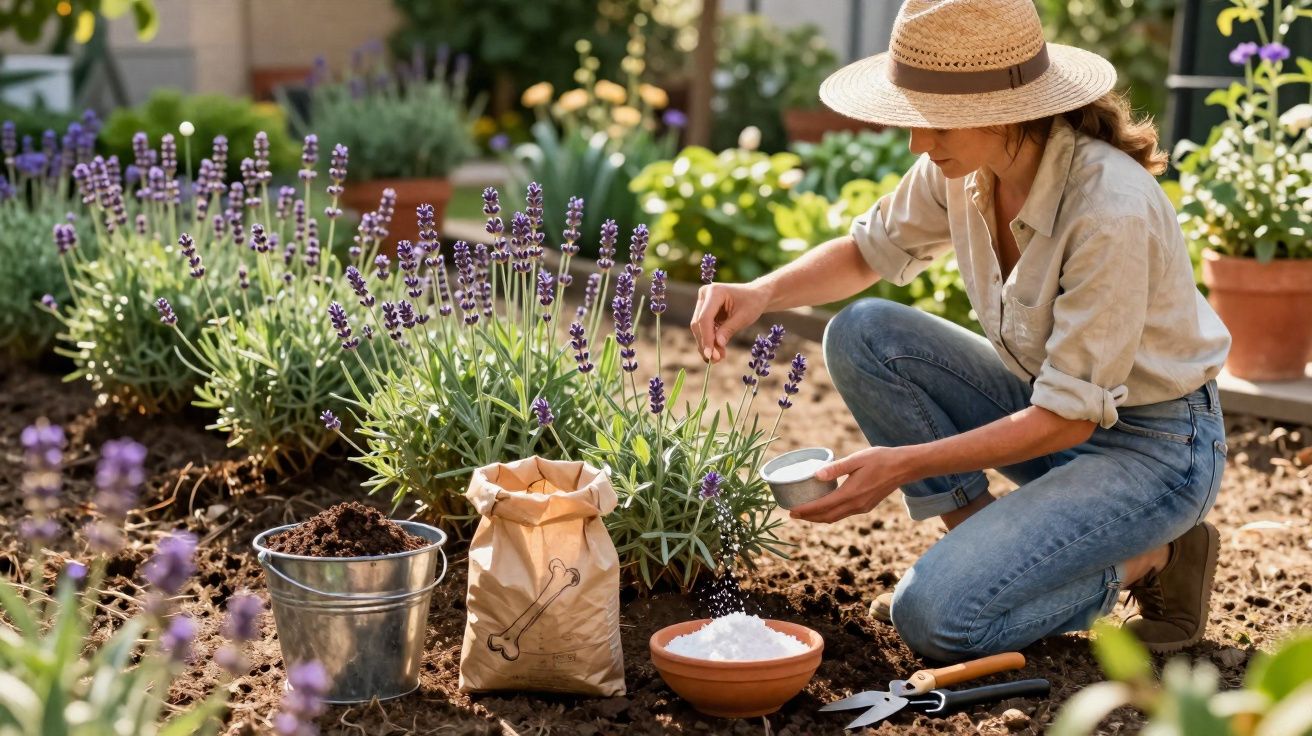
Stop using broad-spectrum insecticides and plant a few nectar-rich, simple flowers such as lavender, marigolds or cosmos. Combined with a slightly wilder corner, that alone can create a mini-sanctuary.



Comments
No comments yet. Be the first to comment!
Leave a Comment