
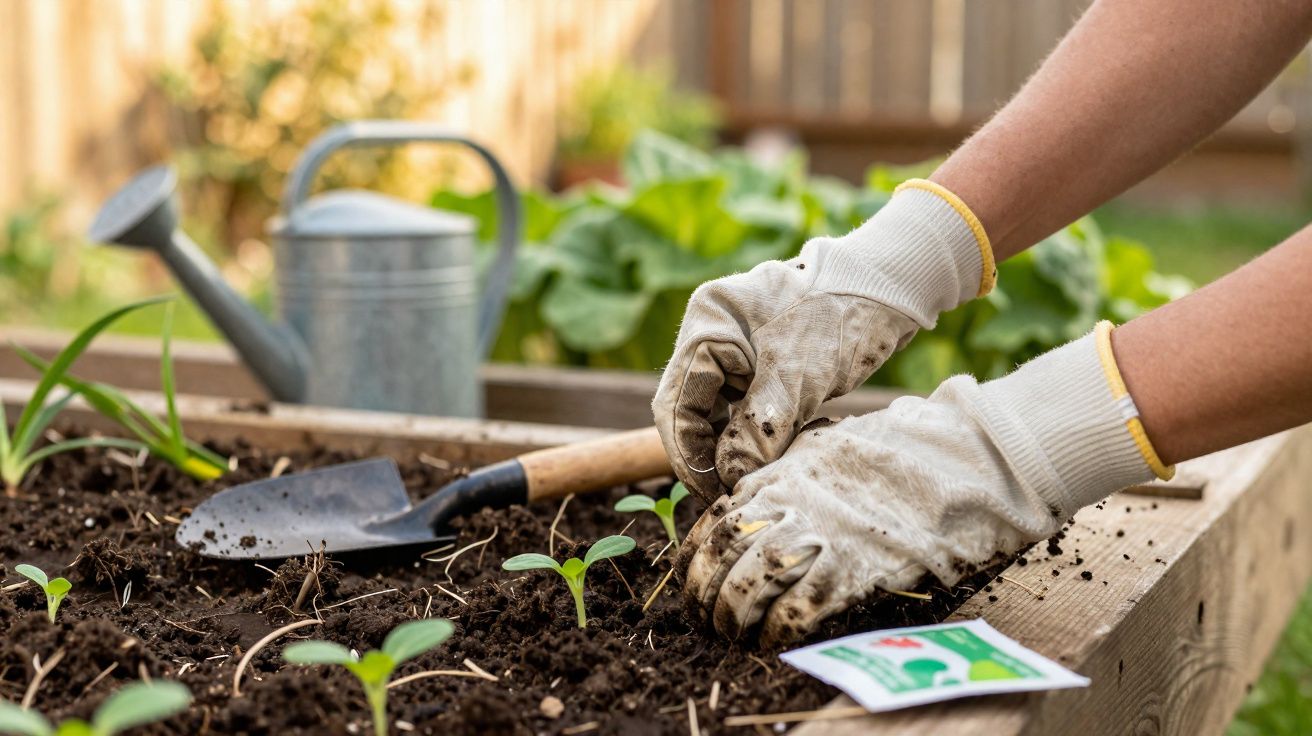
First spring sunshine, the first urge to get outside and sort the borders… and the first reminder that soil can absolutely ruin your hands.
Every March, huge numbers of hobby gardeners head out full of enthusiasm, only to come back indoors an hour later with cracked skin, nails stained dark, and that persistent grime that never seems to wash away. A small, almost laughably simple accessory - cheaper than a single bus fare - is quietly making a difference.
The hidden cost of gardening with bare hands
Gardening with bare hands can feel wonderfully “natural” at first. You can sense the texture of the soil, the roots, even the little stones shifting beneath your fingertips. Then the less charming side kicks in: dirt embedded in your skin, tender fingertips, and hands that feel rough and abraded by evening.
Soil works its way under nails and lodges itself into every line and crease. To get it off, many people end up scrubbing with strong soap and stiff nail brushes, standing at the sink for ages with cold water running. The payoff is often miserable: stinging redness, angry cuticles, and that tight, uncomfortable feeling that lingers well into the next day.
"Soil doesn’t just stain the hands; it stresses the skin and opens tiny doors for infection every time you garden."
Dermatologists regularly warn that soil is packed with bacteria and fungi. Combine that with sharp grit, thorny stems and splinters you can’t even see, and you’ve got a constant trickle of tiny cuts across your fingers. If you have sensitive skin, eczema, or you tend to ignore small wounds, a harmless-looking session of weeding can turn into something more serious.
A lot of gardeners try to fix this with thick rubber or leather gloves. The problem is those heavy-duty gloves can feel sweaty, bulky and awkward. They dull your grip, squash delicate seedlings and make fiddly jobs - tiny seeds, fine roots - frustrating. Many people abandon them and go back to bare hands, telling themselves sore skin is simply “part of gardening”.
The cheap cotton gardening gloves that change everything
For plenty of people, the breakthrough has been surprisingly low-tech: cheap cotton gardening gloves, the sort you might walk past in a bargain bin. Often priced under £2, they look plain, but they excel at one key job - they behave like a second skin rather than a thick barrier.
"A thin layer of cotton is enough to block dirt and friction, while keeping almost all the natural dexterity of your bare hands."
Typically, these gloves are about 25 cm long and roughly 13 cm wide, with a thickness of around 1 mm. Because they’re so slim, you can still “read” what you’re touching - roots, bulbs, stones - without actually having soil in direct contact with your skin. They flex easily at the knuckles, so your hands can move accurately rather than feeling trapped.
Against stiff leather or heavy rubber, the contrast is immediate. With lightweight cotton gardening gloves, you can:
- Weed between young shoots without pulling them up
- Hold delicate seedlings without snapping stems
- Firm soil gently around roots and bulbs
- Grip small tools securely, from hand forks to secateurs
- Pick up leaves and garden debris without scratches or splinters
For under £2, the benefits show up straight away: nails stay far cleaner, skin dries out less quickly, and your hands look respectable again by the time you go back inside. With spring 2026 on the horizon, more and more home gardeners say they simply won’t handle bare soil once they’ve used these gloves.
From vegetable patch to sofa in minutes with cotton gardening gloves
One often-overlooked advantage of thin cotton gardening gloves is how much they simplify the whole routine. After digging beds, repotting and pulling weeds, you can peel them off and discover hands that are, at worst, a little dusty.
That means cleaning up becomes a quick habit rather than a full scrub. A mild soap and lukewarm water are usually all you need. If you tend to get dry skin, a small amount of hand cream helps. No harsh nail brushes, no long sessions scraping dirt out of nail beds.
The gloves are also pleasingly easy to look after. They can be:
- Rinsed under the tap if they’re only lightly dirty
- Machine-washed on a gentle cycle with your usual laundry
- Left to air-dry in a few hours, ready for next time
"With washable cotton gloves, the journey from vegetable garden to living room is shorter, cleaner and far less stressful."
This tiny shift can change how you approach gardening. When you know clean-up won’t be a pain, you’re more likely to nip outside for 15 minutes between other jobs, rather than waiting for a big, uninterrupted block of time. Your garden often does better with these short, regular bursts of attention.
Why thin cotton beats thick rubber for spring 2026
Spring usually means easier digging - but also more intricate tasks: sowing, transplanting, thinning seedlings and splitting perennials. Thick rubber gloves, brilliant for heavy winter work, can feel completely wrong when you’re trying to pinch fine roots or place tiny seeds at the right spacing.
Thin cotton gloves sit in the sweet spot between full protection and full sensitivity. They cut down friction, help prevent most small scratches, and stop soil bonding to your skin - while still letting you feel texture and pressure properly.
They’re also more breathable than many synthetic gloves. Your hands sweat less, which avoids that clammy, sticky feeling that makes you want to whip gloves off halfway through. Less sweat can also mean fewer irritation issues for anyone prone to dermatitis.
| Type of glove | Main strengths | Main limits |
|---|---|---|
| Thick rubber | Great for wet, muddy jobs and chemicals | Bulky, sweaty, poor dexterity |
| Leather | Good protection against thorns and rough wood | Stiff, slow to dry, often expensive |
| Thin cotton (under £2) | Comfortable, precise, easily washable, cheap | Limited defence against strong thorns or sharp tools |
How to get the most out of cheap gardening gloves
For something so basic, a few simple habits can make cheap cotton gardening gloves last longer and work better. Many keen gardeners keep a handful of pairs and rotate them depending on the task.
Choose the right size and use
Most budget cotton gloves come in a standard size that suits medium hands. If your hands are particularly small or large, make sure the fit is snug without cutting off circulation or slipping around. Gloves that are too loose reduce accuracy and can even cause blisters.
It helps to match the glove to the job:
- Keep a clean pair for sowing, transplanting and handling seedlings.
- Use an older pair for rougher jobs such as carrying compost bags.
- Swap to thicker gloves for brambles, roses or when handling sharp tools.
Clean them before they stiffen
If soil dries into cotton, it can set hard and make the fabric rigid. Rinsing or washing shortly after gardening keeps them soft and flexible. Steer clear of high-temperature washes, which can shrink cotton, and avoid tumble drying when you can.
"Regular washing keeps gloves comfortable and also reduces the build-up of microbes on the fabric itself."
Skin health, infections and why this cheap barrier matters
Garden-related skin issues don’t get much attention, but they’re common. Small cuts can become painful infections, particularly if you have diabetes, circulation problems, or a weakened immune system. Some bacteria associated with tetanus occur naturally in soil.
A thin cotton glove isn’t a substitute for vaccination or sensible wound care, but it can reduce the number of nicks and abrasions in the first place. Fewer breaks in the skin means fewer entry points for microbes. For people with eczema, psoriasis or allergies, gloves also reduce direct contact with plant sap and compost, both of which can trigger flare-ups.
There’s also a very real psychological benefit. Plenty of new gardeners feel uneasy about touching soil full of worms, beetles and unexpected roots. A light fabric layer often creates just enough distance to make them comfortable, opening the door to a hobby they might otherwise avoid.
Beyond the hands: small changes that make gardening easier
Once you start taking hand protection seriously, it often encourages you to adjust other parts of your routine too. Short, frequent sessions feel more achievable when you know you won’t face a long clean-up afterwards. That can translate into better weed control and stronger, healthier plants.
Alongside a few simple habits - keeping hand cream by the sink, trimming nails before big planting days, and leaving a basket of ready-to-go gloves by the back door - this cheap accessory can become the trigger for more regular, low-stress gardening.
Think of it as a small safety net. You still stay connected to the soil, you still shape beds and cradle seedlings, but you finish the day able to type, cook or hold a book without wincing. For many gardeners heading into spring 2026, that tiny difference is enough to justify a new rule: no gloves, no gardening.





Comments
No comments yet. Be the first to comment!
Leave a Comment