
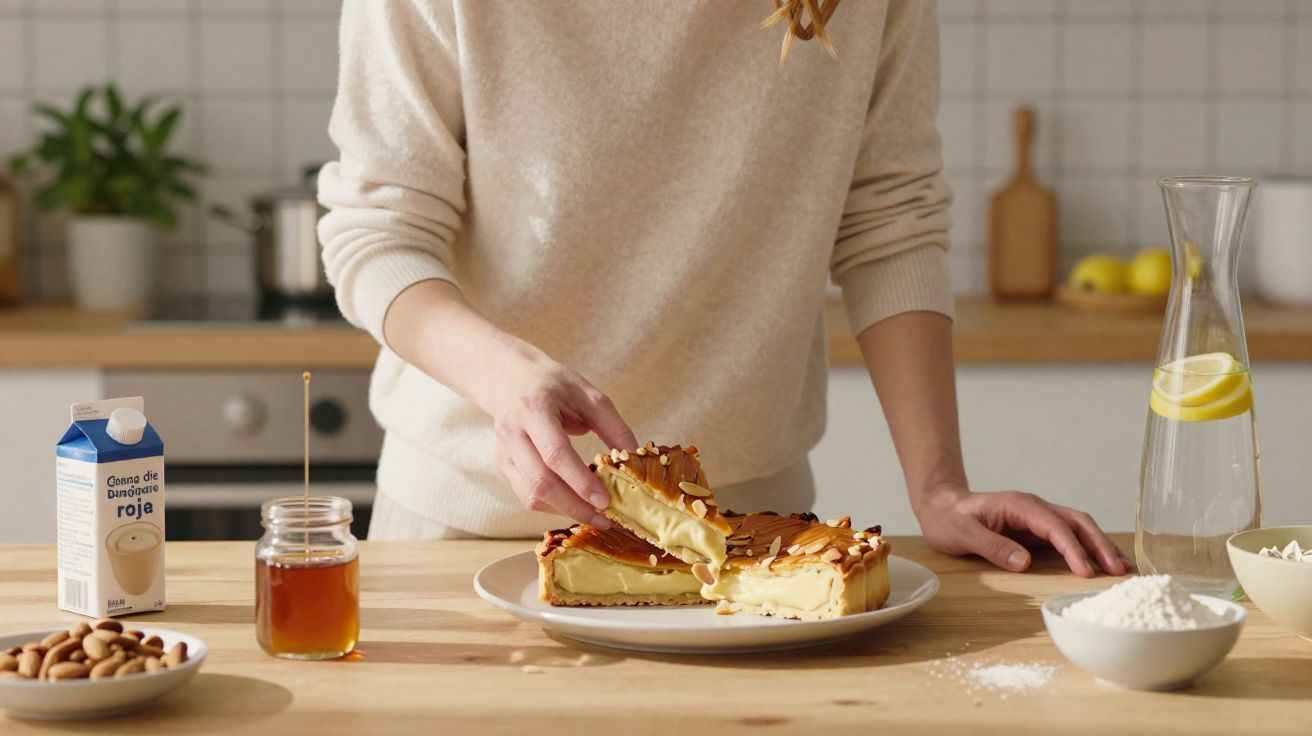
January’s familiar run of pastries can feel a bit much, but one nutrition specialist argues you don’t have to swear off kings’ cake to enjoy it guilt‑free.
All over France, the Epiphany galette is known for being lavish and buttery - the sort of bake people jokingly label a calorie bomb. Yet one dietitian’s pared‑back frangipane is pushing back against that idea, offering a version that reduces both butter and sugar while retaining the almond richness many people come for.
Galette des rois: the festive pastry that hits hard
When Epiphany rolls around in France, bakery displays fill with galette des rois. In the north, it’s typically crisp puff pastry wrapped around an almond frangipane filling. In plenty of southern areas, the preference is a brioche crown topped with colourful candied fruit.
Both are celebratory, but nutritionally they don’t land the same. Traditional frangipane blends almond cream with pastry cream, then sits between two layers of puff pastry that are already heavy on butter. A typical slice can come close to 450 kcal and about 30 g of fat.
"One slice of a traditional frangipane galette can rival a full meal in calories for some people."
The brioche crown, on the other hand, generally uses less butter and may save around 100 to 150 kcal per 100 g. That difference matters when the galette appears repeatedly throughout January - as it often does in France.
A dietitian’s approach: lighten the frangipane itself
A lot of “lighter” takes target the pastry, or simply suggest serving smaller portions. French dietitian Nejma Zibouche chose a different route and tackled the filling head‑on. Her method removes butter completely from the frangipane and reduces the amount of added sugar.
Rather than relying on butter and icing sugar, she uses a plant‑based cream for body and a low glycaemic syrup for sweetness.
"Butter and refined sugar are swapped for soya cream and agave syrup, drastically changing the fat and sugar profile of the filling."
This change reshapes the recipe in three key ways:
- it cuts saturated fat, because butter is the main contributor in standard frangipane
- it reduces the glycaemic impact, as agave syrup is absorbed more slowly than regular sugar
- it keeps almonds at the centre, so it still reads as a proper galette in flavour
How the light galette des rois frangipane is made
The foundations stay familiar: almonds and eggs remain the backbone. The main differences come from swapping the fat source and rethinking the sweetener. Below is the essential recipe as described in the original French article, clarified for ease.
Key ingredients for a lighter filling
| Ingredient | Quantity | Role |
|---|---|---|
| Blanched almonds | 200 g | Provide fat, texture and almond flavour |
| Eggs | 2 | Bind and set the mixture in the oven |
| Agave syrup | 42 g | Sweetens with a lower glycaemic index |
| Soya cream (or other plant cream) | 20 cl | Replaces dairy cream and butter, adds smoothness |
| Vanilla powder | ½ tsp | Rounds out the flavour without extra sugar |
| Bitter almond aroma | 3 tsp | Boosts the traditional galette taste |
The almonds are milled into a fine powder (unless you’re using an unsweetened ready‑ground almond meal). After that, everything goes into one bowl and is stirred together by hand until evenly combined and smooth.
"The method stays simple: one bowl, a wooden spoon and about five minutes of active work for the filling."
In baking terms, the eggs and ground almonds give the mixture its structure as it cooks, while the plant cream prevents it drying out, taking on the softening role butter usually provides.
Assembly: from lighter filling to a full galette
The filling is only part of the final result. It still needs to be sandwiched between two rounds of puff pastry. For most people baking at home, shop‑bought pastry is the most convenient option, although the nutrition will vary depending on the brand.
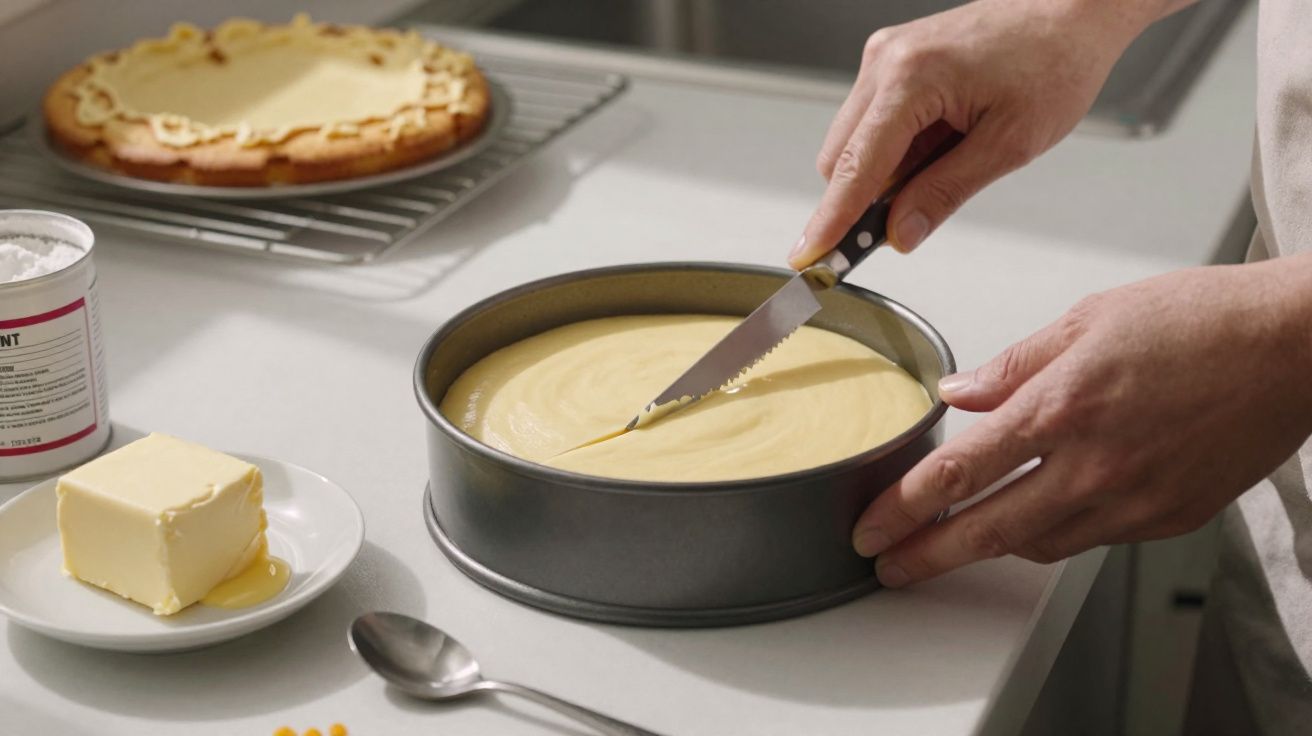
After adding the filling, the top layer is pierced with a few small holes and a central “chimney” is cut so steam can escape. The surface is then brushed with beaten egg yolk to create shine, patterned with a knife, and baked for about 25 to 30 minutes at 180°C.
Those details aren’t just decorative: venting reduces the chance of the galette puffing up unevenly or splitting, and the egg wash gives the familiar glossy finish that makes it feel like a proper treat - even when the filling is lighter.
How much lighter is it, in practice?
Precise figures depend on the puff pastry you choose, but simply removing butter and icing sugar from the filling shifts the overall balance noticeably.
- The frangipane is lower in saturated fat, because butter is replaced with soya cream (or another plant cream).
- Most of the sweetness comes from agave syrup (and, to a degree, the almonds), rather than a large hit of refined sugar.
- The slice still contains fats from almonds, but these are largely unsaturated and are linked with better heart outcomes when eaten sensibly.
"This version remains a treat, yet it fits more easily into an overall balanced diet than the classic butter‑heavy filling."
For anyone monitoring weight or blood sugar, that difference can be what allows them to join the tradition without feeling anxious - rather than avoiding the galette altogether.
Almonds, agave and soya cream: what you are really eating
Almonds and their nutritional profile
Almonds are the heart of frangipane. They’re energy‑dense, but they also provide fibre, vitamin E, magnesium and unsaturated fats. Research has associated regular nut intake with a lower risk of cardiovascular disease, particularly when nuts replace refined carbohydrates or processed meats.
That doesn’t make galette a health food, but a filling largely built from nuts and eggs can be viewed differently from one that combines nuts with generous amounts of butter and sugar.
Agave syrup and blood sugar
Agave syrup is often highlighted for having a low glycaemic index, meaning it tends to increase blood sugar more slowly than standard table sugar. This is mainly because it contains a high proportion of fructose.
Many nutrition professionals note that fructose‑heavy sweeteners are not a “free pass”: they still count as added sugars and should be kept in check. The point here is quantity - the recipe uses 42 g for the entire galette.
Soya cream and plant alternatives
Soya cream adds a creamy consistency and mild taste without the saturated fat levels typical of double cream or butter. Depending on preferences and tolerances, it can be replaced with rice, cashew or almond cream.
A practical advantage of these plant creams is how well they behave in the oven. They often replicate dairy cream’s response to heat closely enough that this lighter frangipane stays very similar in texture to the traditional butter‑based version.
Practical tips for a more balanced kings’ cake season
If you want to try this at home, a few straightforward habits can help keep the celebration enjoyable without it getting out of hand:
- Serve the galette at a larger get‑together so portions naturally stay smaller.
- Balance the day with lighter meals - for instance, a vegetable‑rich soup.
- Keep the fève (the hidden charm) tradition, but resist buying or baking several galettes across multiple days just to crown more “kings”.
For people managing diabetes or high cholesterol, it may help to talk recipes like this through with a dietitian. They might propose additional adjustments, such as slightly reducing the agave, opting for wholegrain puff pastry, or eating the galette alongside a protein‑rich snack to slow sugar absorption.
This lighter frangipane can also be useful beyond Epiphany: it works in mini tartlets, can be baked in muffin trays, or spread beneath seasonal fruit such as pears or apricots for a dessert that still feels indulgent, but with more considered ingredient choices.





Comments
No comments yet. Be the first to comment!
Leave a Comment